
Fireworks may dazzle humans with their bursts of color and sound, but for many pets, they trigger fear, panic, and distress. The sudden booms, flashes, and vibrations can overwhelm an animal’s sensitive senses, leading to trembling, panting, hiding, or even destructive behavior. While sedatives are sometimes prescribed, they aren’t always necessary—and come with potential side effects. Fortunately, there are proven, non-pharmaceutical strategies that can help soothe your pet and make firework nights safer and less stressful for everyone.
Understanding the root of your pet’s anxiety is the first step. Dogs and cats rely heavily on their hearing and instincts. A loud explosion in the sky signals danger to them, activating their fight-or-flight response. The key isn't to eliminate the noise but to reduce its impact and provide a sense of safety. With preparation, environmental control, and consistent reassurance, you can significantly ease your pet's fear—without reaching for medication.
Create a Safe, Sound-Reduced Environment
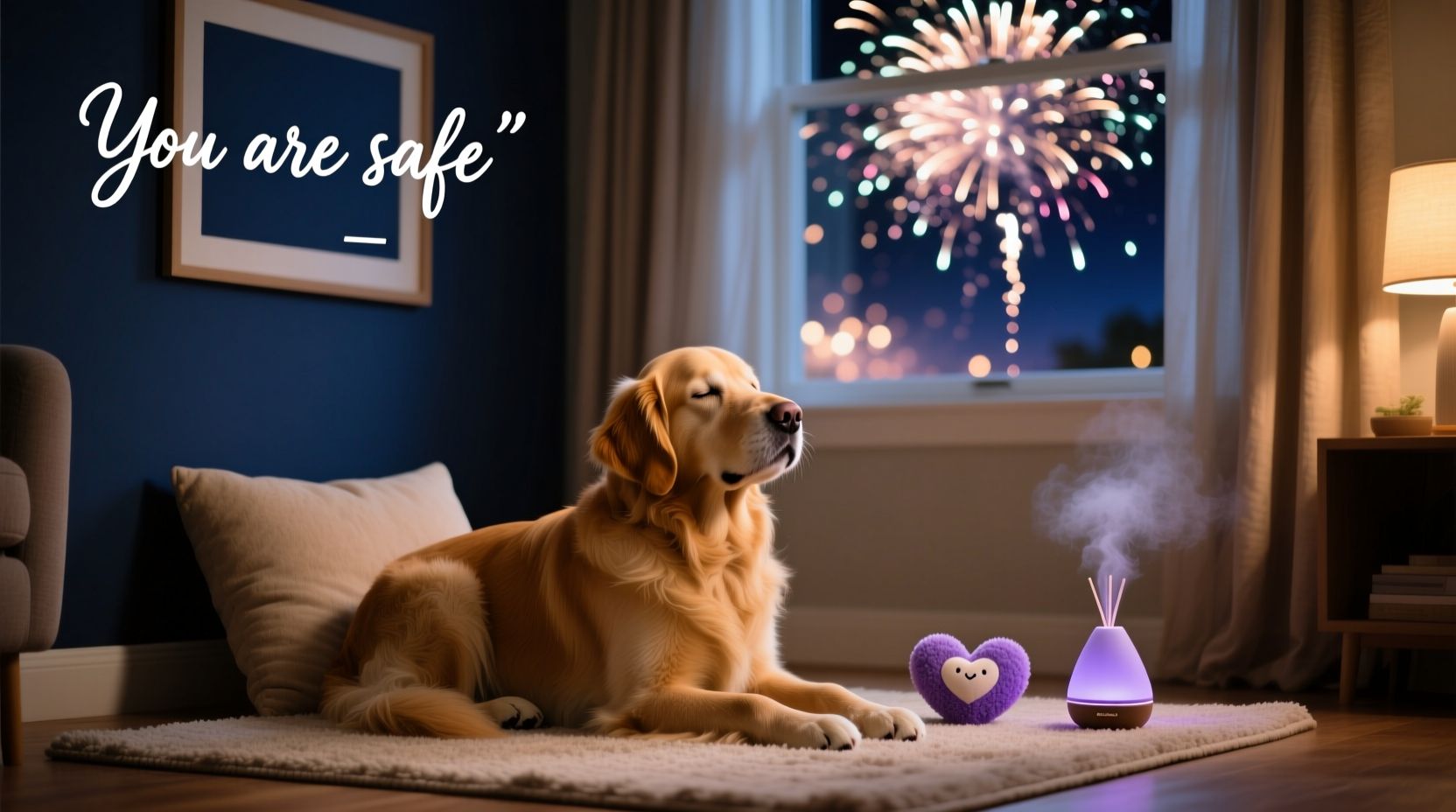
One of the most effective ways to minimize firework-induced stress is to create a sanctuary within your home. Choose a quiet interior room—like a basement, bathroom, or spare bedroom—where outside noise is naturally muffled. This space should be familiar to your pet and stocked with comforting items: their favorite bed, toys, and a piece of your clothing with your scent.
To further dampen sound, close all windows and doors. Use heavy curtains or blankets over windows to absorb both light and noise. White noise machines, fans, or background music tuned to 65–70 decibels can mask sudden bangs. Classical music, in particular, has been shown in studies to have a calming effect on animals.
For dogs, consider using a crate covered with a thick blanket—but only if they already view the crate as a den-like retreat. Forcing a fearful dog into confinement can increase anxiety. Instead, leave the door open so they can enter and exit freely.
Use Behavioral Techniques and Positive Conditioning
Behavioral training works best when started well before firework season. The goal is to desensitize your pet to loud noises through gradual exposure. Specialized audio tracks that simulate fireworks at low volume can be played during calm moments—while your pet eats, plays, or relaxes. Over time, slowly increase the volume only as long as your pet remains relaxed.
Pair the sounds with high-value treats, play, or affection. This process, known as counter-conditioning, helps your pet associate loud noises with positive experiences rather than fear. It requires patience—progress may take weeks or months—but the results are lasting.
“Desensitization isn’t about eliminating fear overnight. It’s about rewiring the emotional response through consistency and positive reinforcement.” — Dr. Karen Shaw Becker, Integrative Veterinarian
Avoid reinforcing fearful behavior by overly coddling your pet during panic episodes. While comfort is important, responding with frantic attention can unintentionally reward the anxiety. Instead, remain calm and neutral, offering gentle reassurance without amplifying their distress.
Step-by-Step Guide: Preparing for Fireworks Night
Success depends on preparation. Follow this timeline to ensure your pet feels secure when fireworks begin:
- 4–6 Weeks Before: Begin a desensitization program using recorded firework sounds at very low volume. Pair with treats or playtime.
- 1 Week Before: Check that your pet’s ID tags and microchip information are up to date in case they escape.
- 24 Hours Before: Exercise your pet earlier in the day to reduce baseline stress. Avoid walks during peak firework hours (typically dusk to late evening).
- 3 Hours Before: Bring your pet indoors. Set up their safe room with food, water, toys, and calming aids like pheromone diffusers.
- 1 Hour Before: Turn on background noise (music, TV, fan). Close blinds and curtains.
- During Fireworks: Stay calm and present. Offer distraction with puzzle toys or chew treats. Monitor quietly without hovering.
- After the Event: Allow your pet to decompress. Maintain a normal routine to signal that everything is safe again.
Calming Tools and Accessories That Work
Several non-invasive tools can support your efforts. These don’t replace behavioral strategies but enhance them:
- Thundershirt or Anxiety Wrap: Applies gentle, constant pressure to the torso, which many pets find soothing—similar to swaddling an infant.
- Pheromone Diffusers: Products like Adaptil (for dogs) or Feliway (for cats) release synthetic versions of natural calming hormones.
- White Noise Apps: Use apps designed for pets that play continuous nature sounds or specially engineered frequencies to mask sharp noises.
- Weighted Blankets (for larger dogs): Some respond well to the deep pressure provided by pet-safe weighted covers.
Note: Not all products work universally. Introduce them during calm periods so your pet associates them with relaxation, not crisis.
Do’s and Don’ts During Fireworks
| Do’s | Don’ts |
|---|---|
| Keep your pet indoors in a secure area | Take your pet outside during fireworks |
| Use background noise to mask explosions | Yell or punish your pet for anxious behavior |
| Offer interactive toys or food puzzles | Force interaction if your pet wants to hide |
| Stay calm and act normally | Reassure excessively or mirror panic |
| Ensure ID tags and microchips are current | Assume your yard is escape-proof |
Real Example: How One Family Helped Their Rescue Dog
Max, a 3-year-old mixed-breed rescue, would tremble and bark uncontrollably every time fireworks went off near his suburban home. His owners, the Thompsons, initially tried giving him extra cuddles during events, but his anxiety worsened. After consulting a veterinary behaviorist, they implemented a multi-step plan.
They began playing low-volume firework recordings in July, pairing each session with frozen treats and fetch games. By August, Max could tolerate moderate volumes without reacting. On the night of a local fireworks display, they set up his safe zone in the basement—a carpeted room with his Thundershirt, a FidoCalm speaker playing “Pet Soothing Sounds,” and a stuffed KONG. They stayed nearby but focused on a board game, modeling calm behavior.
Max paced briefly at the first boom but returned to his chew toy within minutes. He never barked and eventually fell asleep. Over two seasons, his reactions diminished significantly. The Thompsons credit success to early preparation and avoiding last-minute interventions.
Frequently Asked Questions
Can I leave my pet alone during fireworks?
It’s not recommended, especially if your pet has a history of severe anxiety. Being alone can amplify fear and increase the risk of escape or injury. If you must be away, arrange for a trusted person to stay with them or consider a professional pet sitter experienced in handling anxious animals.
Are natural supplements like CBD effective?
Some pet owners report benefits from CBD oil, melatonin, or herbal blends, but scientific evidence is limited. Quality and dosage vary widely, and some products may interact with other conditions. Always consult your veterinarian before trying any supplement, especially if your pet has health issues.
What if my pet bolts during fireworks?
Immediately search the immediate area while calling calmly. Notify neighbors and post on local lost-pet groups. Contact shelters and clinics with a photo and description. Prevent future escapes by ensuring fences are secure, gates are locked, and your pet wears identification. Consider a GPS tracker collar for high-risk pets.
Final Thoughts and Action Plan
Helping your pet through firework anxiety is about more than just one night—it’s about building resilience. Sedatives may offer temporary relief, but non-drug methods foster long-term confidence and trust. The foundation lies in preparation: creating a safe environment, using behavioral techniques, and remaining a steady presence.
Start now, even if firework season seems distant. Small steps today—like playing a soft recording or setting up a cozy corner—can make a dramatic difference when the first firecracker pops. Your pet looks to you for cues. When you respond with calm, structure, and compassion, you’re not just managing fear—you’re strengthening your bond.




 浙公网安备
33010002000092号
浙公网安备
33010002000092号 浙B2-20120091-4
Comments
No comments yet. Why don't you start the discussion?