
A leather keychain may seem like a small accessory, but its daily exposure to friction, moisture, and stress demands exceptional durability. Unlike decorative trinkets, a well-made leather keychain should endure years of use without fraying, cracking, or breaking. Yet, with countless options flooding the market—many labeled “premium” or “genuine leather”—it’s easy to fall for misleading claims. Choosing one that truly lasts requires understanding material quality, construction techniques, and care practices. This guide breaks down the essential factors that separate lasting craftsmanship from short-lived novelties.
Understand Leather Types: Not All Are Created Equal
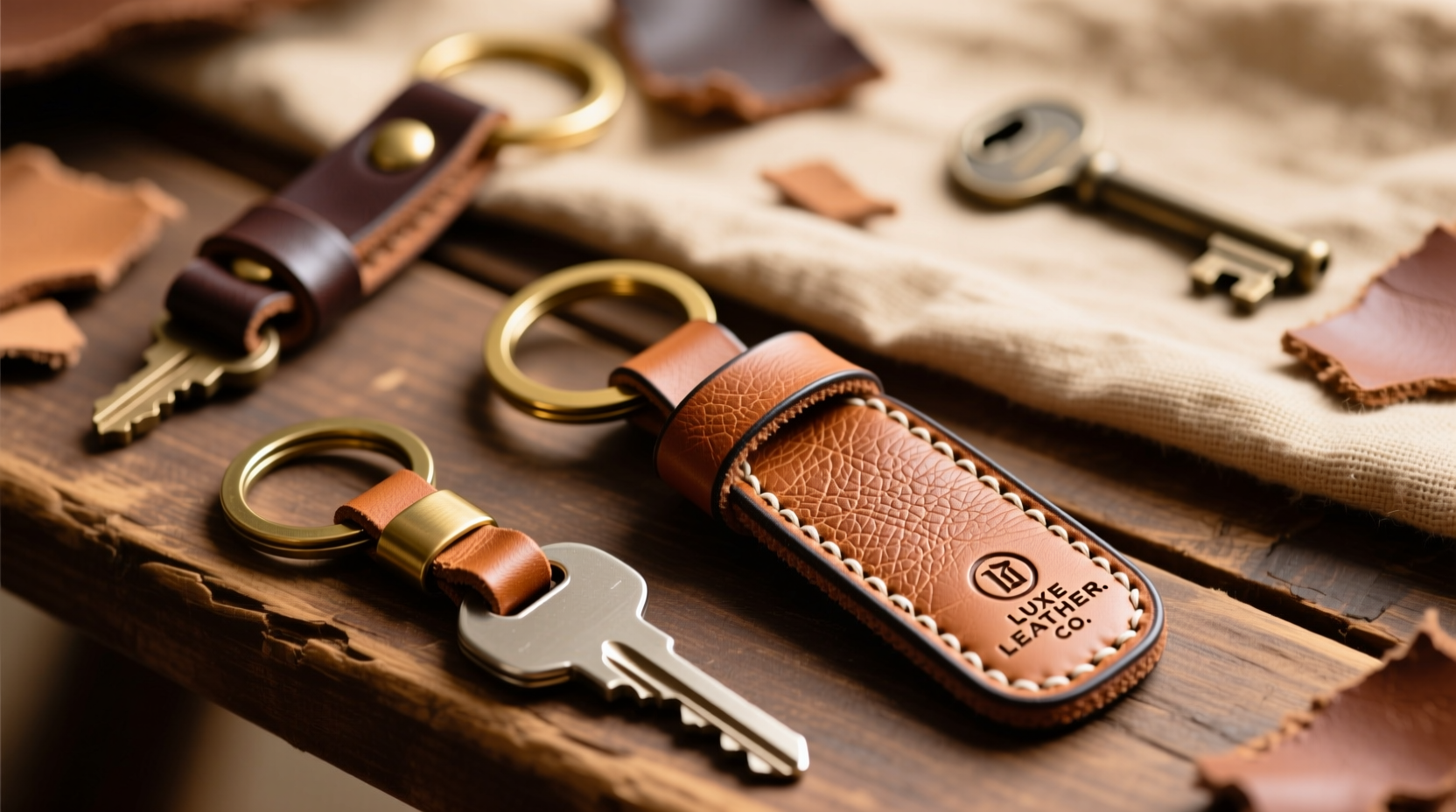
The foundation of any durable leather keychain is the type of hide used. Leather varies significantly in strength, texture, and aging potential based on how it's processed and sourced.
- Full-grain leather: The highest quality available. It retains the original grain layer of the hide, making it more resistant to wear and developing a rich patina over time.
- Top-grain leather: Sanded and refinished to remove imperfections. While still durable, it lacks the resilience and character development of full-grain.
- Genuine leather: A misleading term often used for lower-tier products. It refers to real leather but typically comes from split layers bonded with adhesives, offering minimal longevity.
- Bonded leather: Made from leftover scraps mixed with polyurethane. Prone to flaking and should be avoided for functional items.
For a keychain that ages gracefully, full-grain leather is unmatched. Its natural fibers are tightly packed, resisting abrasion from keys and pockets far better than processed alternatives.
Inspect Construction: Stitching, Edges, and Hardware
Even the finest leather fails if poorly constructed. Pay close attention to three critical areas: stitching, edge finishing, and attachment hardware.
Stitching should be done with waxed nylon or polyester thread using saddle stitching—a hand-sewn method where two threads interlock through each hole. Unlike machine lockstitching, saddle stitching won’t unravel if a single thread breaks. Look for at least 8–10 stitches per inch (SPI); tighter spacing indicates greater durability.
Edges must be burnished or sealed properly. Raw, unsealed edges absorb moisture and fray quickly. High-quality keychains have edges sanded smooth and treated with edge paint or beeswax for water resistance and a clean finish.
Hardware, such as key rings or split rings, should be made from solid brass or stainless steel. Flimsy zinc or plated alloys corrode and snap under tension. Ensure the ring is securely attached—ideally riveted or stitched through multiple leather layers.
“Durability isn’t just about leather—it’s in the details. A weak link in stitching or metal can doom an otherwise excellent piece.” — Daniel Reyes, Artisan Leatherworker & Founder of Iron Grain Goods
Material Comparison Table: What to Choose and Avoid
| Leather Type | Durability | Patina Development | Recommended? |
|---|---|---|---|
| Full-Grain | Excellent | Rich, deep over time | ✅ Yes – best choice |
| Top-Grain | Good | Moderate, less character | 🟡 Acceptable if well-made |
| Genuine Leather | Fair to Poor | Limited, often cracks | ❌ Avoid for longevity |
| Bonded Leather | Poor | Peels and degrades | ❌ Never recommended |
Step-by-Step Guide to Evaluating a Leather Keychain
Before purchasing, follow this inspection process to ensure quality:
- Check the label: Look for “full-grain leather” or specific tannery names (e.g., Horween, Wickett & Craig). Vague terms like “genuine” or “real leather” are red flags.
- Examine the edges: Are they smooth, sealed, and even? Rough or peeling edges suggest poor finishing.
- Test the stitching: Gently pull on seams. If threads loosen or gaps appear, the stitching is inadequate.
- Inspect the hardware: Does the key ring feel heavy and solid? Lightweight, hollow-feeling rings are prone to bending.
- Smell the leather: Authentic vegetable-tanned leather has a rich, earthy aroma. Chemical or plastic-like odors indicate synthetic coatings or chrome tanning with poor aging traits.
- Assess thickness: Opt for 2mm to 3mm leather. Thinner pieces wear out faster; excessively thick ones may crack prematurely without proper conditioning.
Real-World Example: The Commuter’s Keychain That Lasted Five Years
Mark, a software engineer in Portland, carried the same leather keychain daily for five years. Attached to his work bag, gym locker, and car keys, it endured constant friction, rain exposure, and pocket wear. He chose a minimalist key fob made from 2.5mm Horween Chromexcel leather, saddle-stitched with linen thread, and fitted with a solid brass split ring.
Instead of deteriorating, the leather developed a warm honey-colored patina. Minor scratches blended into the surface, and the edges remained intact despite frequent handling. After five years, the only maintenance he performed was wiping it with a dry cloth monthly and applying leather conditioner twice a year. When the split ring finally bent from force, he replaced just the hardware—the leather body was still structurally sound.
This case illustrates how proper material selection and construction lead to extraordinary longevity, even under demanding conditions.
Care Practices That Extend Lifespan
Durable doesn’t mean maintenance-free. Even the best leather benefits from simple care routines.
- Wipe clean with a dry or slightly damp cloth after exposure to dirt or moisture.
- Condition every 3–6 months using a beeswax-based balm or neutral leather conditioner to prevent drying and cracking.
- Avoid prolonged exposure to direct sunlight or humid environments, which accelerate fading and mold growth.
- Rotate keychains if possible—this reduces continuous strain on one item.
Never submerge leather in water or use alcohol-based cleaners. These strip natural oils and degrade fibers rapidly.
Checklist: Buying a Long-Lasting Leather Keychain
Use this checklist before making a purchase:
- ☑ Made from full-grain or high-quality top-grain leather
- ☑ Saddle-stitched with tight, even thread spacing
- ☑ Burnished or painted edges for moisture resistance
- ☑ Solid brass or stainless steel hardware (not plated)
- ☑ Thickness between 2mm and 3mm
- ☑ No chemical odor or overly shiny surface coating
- ☑ Comes from a brand that discloses tannery sources or craftsmanship details
Frequently Asked Questions
Can I repair a cracked leather keychain?
Minor surface cracks can sometimes be revived with leather balm and gentle heat. However, deep fissures indicate structural failure. Prevention through conditioning is far more effective than repair.
Is vegetable-tanned leather better for durability?
Vegetable-tanned leather is often denser and ages more beautifully than chrome-tanned, but both can be durable. The key is the cut (full-grain) and construction. Veg-tan is ideal if you value natural aging and eco-friendly tanning processes.
How do I know if a brand is trustworthy?
Look for transparency: brands that name their tanneries, show workshop photos, offer lifetime repairs, or provide detailed product specs are more likely to prioritize quality. Read independent reviews and check return policies for signs of confidence in their build.
Final Thoughts: Invest in Quality, Not Quantity
A durable leather keychain isn’t just a tool—it’s a small testament to thoughtful design and enduring materials. In a world of disposable accessories, choosing one built to last reflects a deeper appreciation for craftsmanship and sustainability. By focusing on full-grain leather, robust stitching, and solid hardware, you avoid the cycle of replacement and enjoy a piece that improves with age.




 浙公网安备
33010002000092号
浙公网安备
33010002000092号 浙B2-20120091-4
Comments
No comments yet. Why don't you start the discussion?