
Travel often means unpredictable weather. One moment you're walking under clear skies; the next, a sudden downpour soaks your shoes and ruins your plans. That’s where lightweight rain boots come in—essential gear that protects your feet while staying easy to pack and comfortable over long distances. But not all rain boots are created equal. The right pair balances weight, support, water resistance, and durability. Choosing poorly can lead to blisters, bulk in your luggage, or worse—boots that fail when you need them most.
This guide breaks down the key factors travelers should consider when selecting lightweight rain boots. From material choices to fit nuances, we’ll help you make an informed decision that keeps your feet dry, your pack light, and your journey smooth.
Why Lightweight Matters in Travel Rain Boots
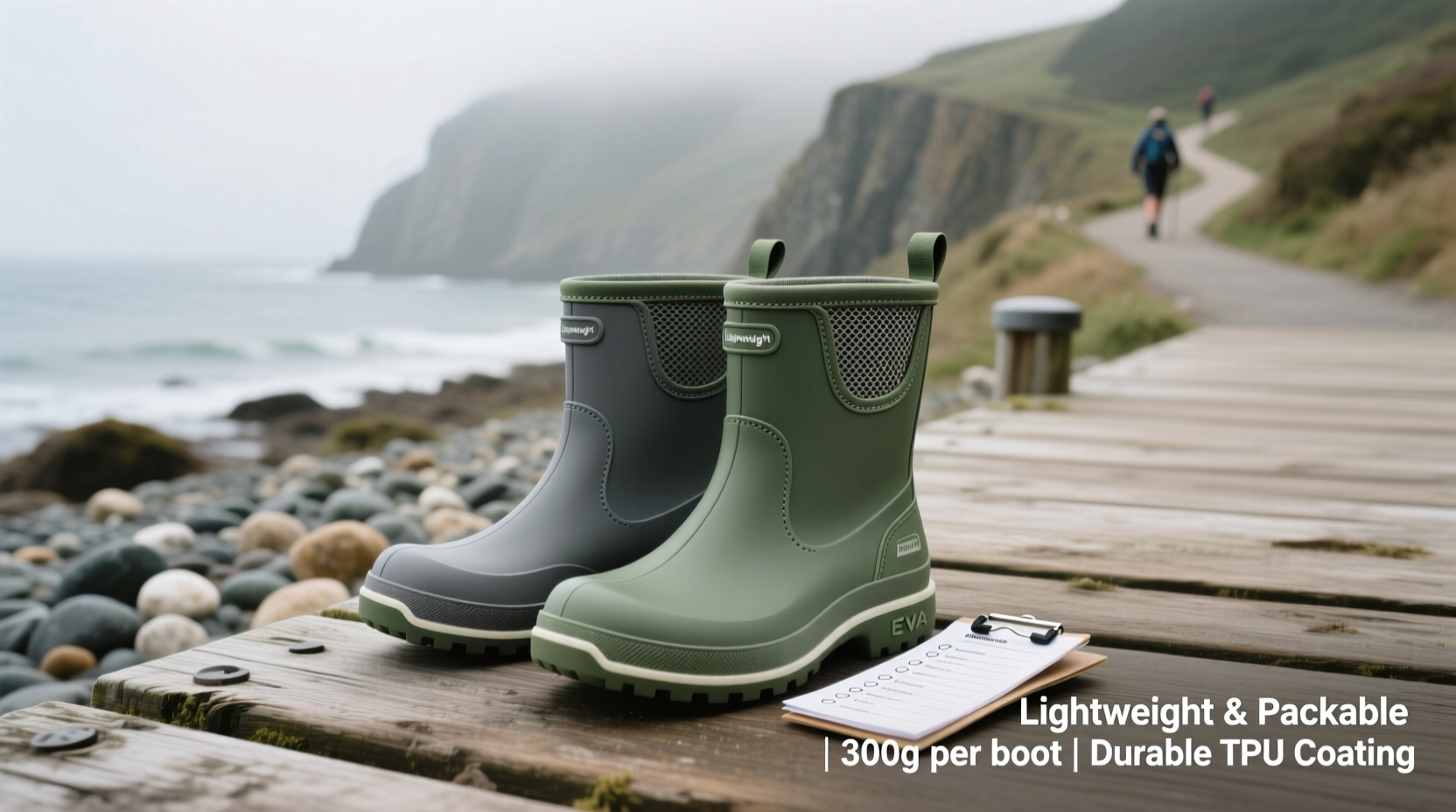
When space and weight count—especially on flights, trains, or multi-day treks—every ounce matters. Heavy rubber boots may offer protection, but they take up valuable room and add unnecessary load. Lightweight rain boots solve this by using advanced materials and streamlined designs that maintain performance without the burden.
Modern polymers like EVA (ethylene-vinyl acetate), thermoplastic rubber (TPR), and synthetic fabrics have replaced traditional PVC and thick rubber. These materials provide flexibility, cushioning, and excellent water resistance at a fraction of the weight. A quality lightweight boot typically weighs between 12 and 18 ounces per pair—less than half the weight of classic models.
Key Features to Look For
Not all “lightweight” claims are trustworthy. Some brands prioritize aesthetics over function, leading to flimsy soles or poor seals. To ensure you’re getting a durable, functional boot, focus on these five critical features:
- Waterproof Construction: Seams should be sealed, and the upper must extend high enough to prevent splash entry. Look for fully welded or bonded seams, not stitched ones.
- Flexible Yet Supportive Sole: A rigid sole cracks under pressure; too soft, and it offers no traction. Opt for dual-density EVA or molded TPR soles with deep tread patterns.
- Ankle Support & Fit: Boots should hug the heel and midfoot snugly without pinching. Avoid slip-on styles if you plan on uneven terrain.
- Packability: Can the boot be rolled or folded? Some models collapse into their own pocket or fit inside a shoe compartment.
- Breathability: While waterproofing is essential, trapped moisture causes discomfort. Linings made from moisture-wicking textiles improve airflow.
Material Comparison: What Works Best for Travel?
| Material | Weight | Durability | Flexibility | Best For |
|---|---|---|---|---|
| PVC | Heavy | Moderate | Low | Casual urban use |
| Natural Rubber | Medium-High | High | Moderate | Wet climates, frequent use |
| Synthetic Rubber (TPR) | Light-Medium | High | High | Backpacking, hiking |
| EVA Foam | Very Light | Moderate | Very High | Short trips, warm climates |
| Neoprene-Lined Fabric | Light | Moderate | High | Urban explorers, fashion-focused |
EVA and TPR emerge as top contenders for travelers due to their balance of lightness and resilience. Neoprene-lined options offer added comfort in cooler conditions but require more careful drying after use.
Finding the Right Fit: More Than Just Size
Fit is where many travelers go wrong. Rain boots aren’t just about toe room—they need to accommodate socks, foot swelling during activity, and movement across different surfaces. Here’s how to get it right:
- Try boots on with the type of socks you’ll wear while traveling (e.g., merino wool or lightweight synthetics).
- There should be about a thumb’s width between your longest toe and the end of the boot.
- The heel should stay locked in place—no slippage when walking.
- Check width: narrow feet may slide, while wide feet need expandable gussets or stretch panels.
Many brands now offer wide or narrow versions. Don’t assume unisex sizing fits everyone equally—women often benefit from shorter shaft heights and narrower calves.
“Proper fit prevents micro-movements that cause blisters. A well-fitted travel boot should feel secure from the first step.” — Dr. Lena Torres, Podiatrist & Outdoor Gear Consultant
Step-by-Step Guide to Selecting Your Ideal Pair
Follow this sequence to avoid impulse buys and ensure long-term satisfaction:
- Assess Your Destination: Is it rainy forests, city streets, or coastal paths? Wet mud demands aggressive treads; urban settings favor sleek silhouettes.
- Determine Usage Frequency: Occasional showers? Daily exposure? Frequent use calls for higher durability.
- Measure Your Foot Accurately: Use a Brannock device or trace your foot on paper. Measure both feet—many people have slight size differences.
- Test Flexibility: Bend the sole. It should flex at the ball of the foot, not the arch.
- Simulate Walking: Walk on a hard surface. Listen for squeaking (a sign of internal friction) and check for pressure points.
- Check Compression Test: Roll or fold the boot. Does it return to shape quickly? This indicates good material memory.
- Review Warranty & Brand Reputation: Reputable brands often offer 6-month to 1-year warranties against delamination or sole separation.
Real-World Example: A Hiker’s Dilemma in Scotland
Mark, an experienced hiker from Canada, planned a two-week trek through the Scottish Highlands. He packed his heavy-duty rubber boots, assuming they’d handle constant rain. After three days, he developed painful blisters and found the boots impossible to dry overnight. Worse, their weight slowed him down.
On a rest day, he visited a local outdoor shop and switched to a lightweight TPR boot with a breathable mesh lining. Though skeptical at first, he noticed immediate improvements: easier packing, faster drying, and better agility on wet trails. By the end of the trip, he credited the new boots with making the journey more enjoyable—and finishable.
His takeaway? “Just because something is tough doesn’t mean it’s right for the environment. I needed adaptability, not armor.”
Do’s and Don’ts When Buying Lightweight Rain Boots
| Do’s | Don’ts |
|---|---|
| Choose boots with anti-microbial linings to reduce odor | Buy purely based on appearance or color |
| Look for pull tabs or handles for easy on/off | Ignore shaft height—it should cover your ankle and part of your calf |
| Check return policies when buying online | Assume all \"water-resistant\" boots are fully waterproof |
| Opt for reflective details if walking in low light | Store boots folded for long periods—it weakens structural integrity |
Frequently Asked Questions
Can lightweight rain boots handle cold weather?
Some can, especially those lined with neoprene or thermal fabric. However, most lightweight models prioritize breathability over insulation. For cold, wet climates, consider layering with warm socks or choosing a hybrid winter-rain design.
How do I clean and maintain lightweight rain boots?
Rinse with fresh water after each use, especially if exposed to salt or mud. Let them air dry away from direct heat. Use a soft brush for stubborn grime. Never machine wash or dry—this damages seals and linings.
Are inflatable or foldable rain boots worth it?
They’re excellent for emergency use or minimalists, but often lack arch support and long-term durability. Reserve them for occasional storms, not daily wear on rugged terrain.
Final Checklist Before You Buy
- ✅ Waterproof with sealed seams
- ✅ Weighs under 1 lb per pair
- ✅ Fits comfortably with travel socks
- ✅ Has non-slip, deep-tread sole
- ✅ Can be packed flat or rolled
- ✅ Includes pull tab or handle
- ✅ Backed by warranty or trial period
Conclusion: Step Into Confidence, Not Puddles
The best lightweight rain boots don’t just keep your feet dry—they enhance your travel experience. They free up space in your bag, reduce fatigue, and let you move confidently through rain-soaked streets or muddy trails. With the right combination of materials, fit, and thoughtful design, you no longer have to choose between protection and practicality.
Take the time to assess your needs, try options carefully, and invest in quality. Your future self—standing comfortably in a downpour while others scramble for shelter—will thank you.




 浙公网安备
33010002000092号
浙公网安备
33010002000092号 浙B2-20120091-4
Comments
No comments yet. Why don't you start the discussion?