
In open-concept homes, where living rooms, dining areas, and kitchens merge into one expansive space, decorating for Christmas presents both opportunity and challenge. The freedom of layout means more options—but also more potential missteps. A poorly placed tree can disrupt traffic flow, create visual clutter, or fail to anchor the holiday spirit where it’s most felt. Choosing the best spot isn’t just about aesthetics; it’s about function, safety, and emotional impact. With thoughtful planning, your Christmas tree can become the glowing centerpiece of shared moments during the season.
Understand Your Space’s Natural Flow
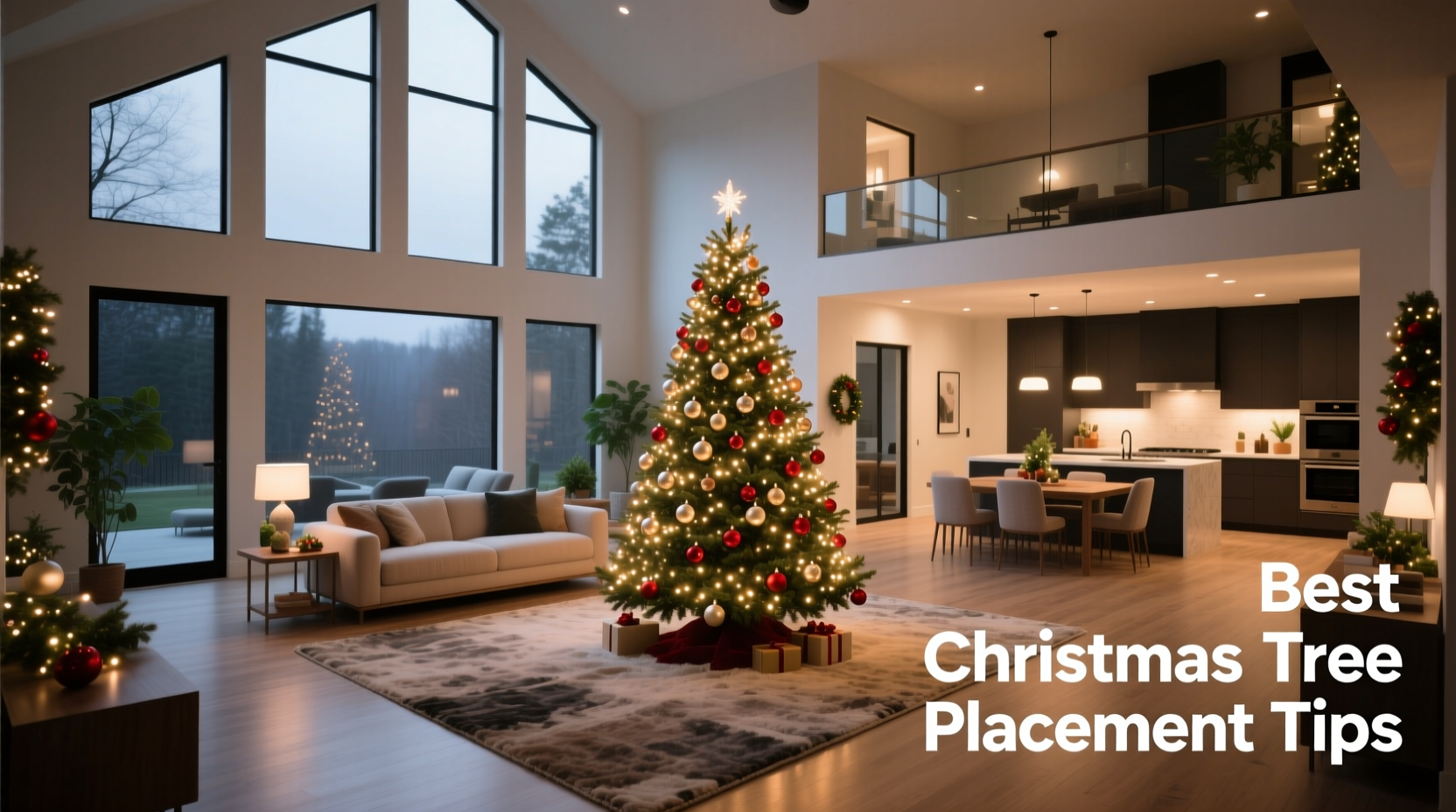
Open floor plans thrive on movement. People gather, cook, chat, and pass through without walls to slow them down. That’s why the first step in placing your tree is mapping out the primary pathways—especially those between kitchen counters, seating areas, and entry points. A tree blocking a natural walkway will frustrate guests and limit usable space.
Begin by walking through your home as if hosting a party. Note pinch points: where two paths converge, such as near the refrigerator or between the sofa and dining table. Avoid placing the tree within 3 feet of these zones unless the area is clearly defined as a dedicated display corner.
The ideal location supports circulation while drawing attention. Corners often work well—they’re naturally contained and don’t interfere with foot traffic. But in true open layouts, even corners may be part of high-traffic loops. In such cases, consider anchoring the tree near a structural element like a half-wall, built-in shelf, or change in flooring material. These subtle dividers help define zones without physical barriers.
Balance Visibility and Focal Points
A Christmas tree should be seen—but not from every angle at once. In open spaces, multiple sightlines mean your tree could be viewed from the kitchen sink, dining table, front door, and hallway simultaneously. While this offers great exposure, it also demands that the tree look polished from all sides.
Unlike traditional homes where trees face a single focal wall, open floor plans benefit from 360-degree appeal. Choose a full, evenly shaped tree, preferably pre-trimmed or hand-shaped at the lot. If using an artificial tree, rotate branches outward on all sides during assembly.
“People remember how a space made them feel, not just how it looked. A well-placed tree adds warmth and signals celebration the moment someone walks in.” — Lena Torres, Interior Stylist & Holiday Design Consultant
Visibility should also align with emotional focal points. Is your favorite gathering spot the sectional near the fireplace? Does your family linger around the island after dinner? Position the tree where it enhances those moments—not competes with them. For example, placing the tree between the living and dining areas can unify two zones under one festive glow, especially when lit in the evening.
Safety and Practical Considerations
No matter how beautiful the setup, safety must guide placement. Real trees need water; artificial ones avoid fire risks but still require stable bases. Both types pose tripping hazards if positioned carelessly.
- Keep clear of high-heat zones: Avoid placing near radiators, heating vents, stoves, or fireplaces. Heat dries real trees faster and increases fire risk.
- Secure electrical cords: In open spaces, cords often cross walkways. Use cord covers or route them along baseboards. Never run cords under rugs where they can overheat.
- Mind pet and child access: Tinsel, ornaments near the base, and tree lights can attract curious hands and paws. Place delicate decorations higher up, and consider a barrier if needed.
- Allow room for trimming and maintenance: Ensure you can easily reach all sides for watering, adjusting lights, or removing fallen needles.
For families with pets, avoid toxic plants like mistletoe or holly near the tree. Also, consider scent: some scented candles or plug-ins near the tree may seem festive but can overwhelm open spaces. Opt for subtle, seasonal diffusers instead.
Lighting and Ambience Integration
Lighting transforms a tree from decoration to destination. In open floor plans, ambient light levels vary throughout the day. A tree tucked in a dim corner may get lost, while one under bright recessed lighting might clash with its own glow.
The best locations take advantage of layered lighting:
- Natural light: Morning sun can enhance ornament sparkle, but prolonged direct sunlight fades ribbon and warms the room—potentially drying a real tree. East-facing spots are usually safe; south or west may require afternoon blinds.
- Overhead lighting: Avoid placing the tree directly under bright ceiling fixtures. Instead, let tree lights become the primary source after dark. Dimmable overheads help transition between daytime function and nighttime mood.
- Accent lighting: Uplighting from the floor or nearby shelves can add drama. Battery-powered LED strips behind the tree create a halo effect, making it appear to float.
| Lighting Type | Best For | Avoid If |
|---|---|---|
| String Lights (Warm White) | All tree types, especially in low-light areas | Using more than 3–4 strands per outlet to prevent overload |
| Spotlights (Adjustable) | Drawing attention in large spaces | Pointing directly at reflective surfaces causing glare |
| Candle-style Bulbs | Vintage or rustic themes | Unattended use or near flammable materials |
| Smart Color LEDs | Families who enjoy themed nights (e.g., blue for movie night) | Overusing colors that clash with existing decor |
Test your lighting after sunset. Turn off main lights and observe how the tree interacts with the rest of the space. Does it feel balanced? Is it too bright compared to the cozy lamp in the reading nook? Adjust until the glow feels inviting, not intrusive.
Step-by-Step Guide to Finalizing Your Tree Location
Follow this timeline in the week before setup to ensure a seamless decision:
- Day 1: Walkthrough & Sketch
Walk each major path in your home. Note three potential tree spots based on visibility, safety, and flow. Sketch a rough floor plan or use a notes app to mark them. - Day 2: Tape Test
Use painter’s tape to outline each option’s footprint. Live with the taped zones for 24 hours. Observe how they affect movement and daily routines. - Day 3: Lighting Check
Visit each taped spot at dusk. Plug in a temporary string of lights to simulate the tree’s glow. Assess brightness and ambiance. - Day 4: Furniture Adjustment
If needed, shift a side table or rug to accommodate the tree. Ensure outlets are accessible and cords can run safely. - Day 5: Final Decision & Prep
Choose the winning spot. Clean the area, lay down a protective mat if needed, and confirm your tree stand and lights are ready.
“In my 12 years staging holiday homes, I’ve learned that the perfect tree location isn’t the biggest—it’s the one that makes people pause and smile when they walk in.” — Marcus Reed, Home Staging Professional
Mini Case Study: The Riverfront Loft
Consider Sarah and James, who live in a 1,800-square-foot riverfront loft with exposed beams and an uninterrupted view from the kitchen to the balcony. Their first attempt placed the tree near the sliding glass doors—beautiful during the day, but invisible from the living area at night. Plus, afternoon sun dried their real tree in under a week.
They repositioned it near a support column between the dining nook and sofa—a spot visible from three key angles but outside the main kitchen-to-balcony path. They added a small runner rug to define the zone and used smart white lights that warmed at sunset. Now, the tree is the first thing guests see upon entry and the last thing family sees before bed. Needle cleanup improved because it was no longer near high foot traffic, and the reduced sunlight extended the tree’s freshness by nearly five days.
This small shift transformed both function and feeling—proof that minor adjustments yield major results.
Checklist: Final Tree Placement Review
Before turning on the lights for the first time, go through this checklist:
- ✅ Is the tree at least 3 feet from heaters, stoves, or fireplaces?
- ✅ Can all guests move freely around it, including those carrying plates or drinks?
- ✅ Are electrical cords secured and not crossing walkways?
- ✅ Is the tree visible from major seating and entry areas?
- ✅ Are fragile or hazardous ornaments out of reach of children and pets?
- ✅ Does the tree have access to water (if real) or a stable base (if artificial)?
- ✅ Have you tested the lighting at night to ensure balanced ambience?
FAQ
Can I place the tree in the middle of the room?
Yes—if your space allows and you use a freestanding display. A central tree works best in lofts or very large great rooms. Use a heavy, stable base and ensure at least 4 feet of clearance on all sides for safe movement. Rotate decorations evenly for 360-degree appeal.
What if I don’t have a corner?
No corner? No problem. Anchor the tree near a vertical feature—a bookshelf, tall plant, or artwork cluster. This creates a faux “wall” effect. You can also use a bench or console table behind the tree to suggest a boundary without closing off space.
How do I keep the tree from looking crowded with other decor?
Simplify surrounding decor. Remove competing centerpieces or swap bold throw pillows for neutral tones during the season. Let the tree breathe visually. Use the rule of thirds: if the tree takes up one-third of a wall or zone, it feels balanced, not overwhelming.
Conclusion: Make Your Space Shine This Season
Choosing the best location for your Christmas tree in an open floor plan is about harmony—between beauty and function, tradition and innovation, celebration and comfort. It’s not just where you put the tree, but how that spot enhances the way you live and gather during one of the year’s most meaningful seasons.
You don’t need a grand mansion or a designated living room to create magic. With careful observation, a few simple tools, and attention to flow and light, your tree can become the heart of your home. Whether it’s watched by kids opening presents, admired over mulled wine, or simply glowing in the quiet of early morning, its presence should feel intentional and joyful.




 浙公网安备
33010002000092号
浙公网安备
33010002000092号 浙B2-20120091-4
Comments
No comments yet. Why don't you start the discussion?