
A steering wheel is more than just a tool for turning—it’s your primary point of contact with the vehicle. Over time, factory covers wear down, become slippery in rain or sweat, or crack under sun exposure. A high-quality steering wheel cover can restore confidence, improve comfort, and significantly enhance control. But not all covers deliver what they promise. Choosing the right one requires understanding material performance, fit precision, and functional design. This guide breaks down exactly what to look for when selecting a cover that maximizes grip and control without compromising safety.
Why Grip Matters Behind the Wheel
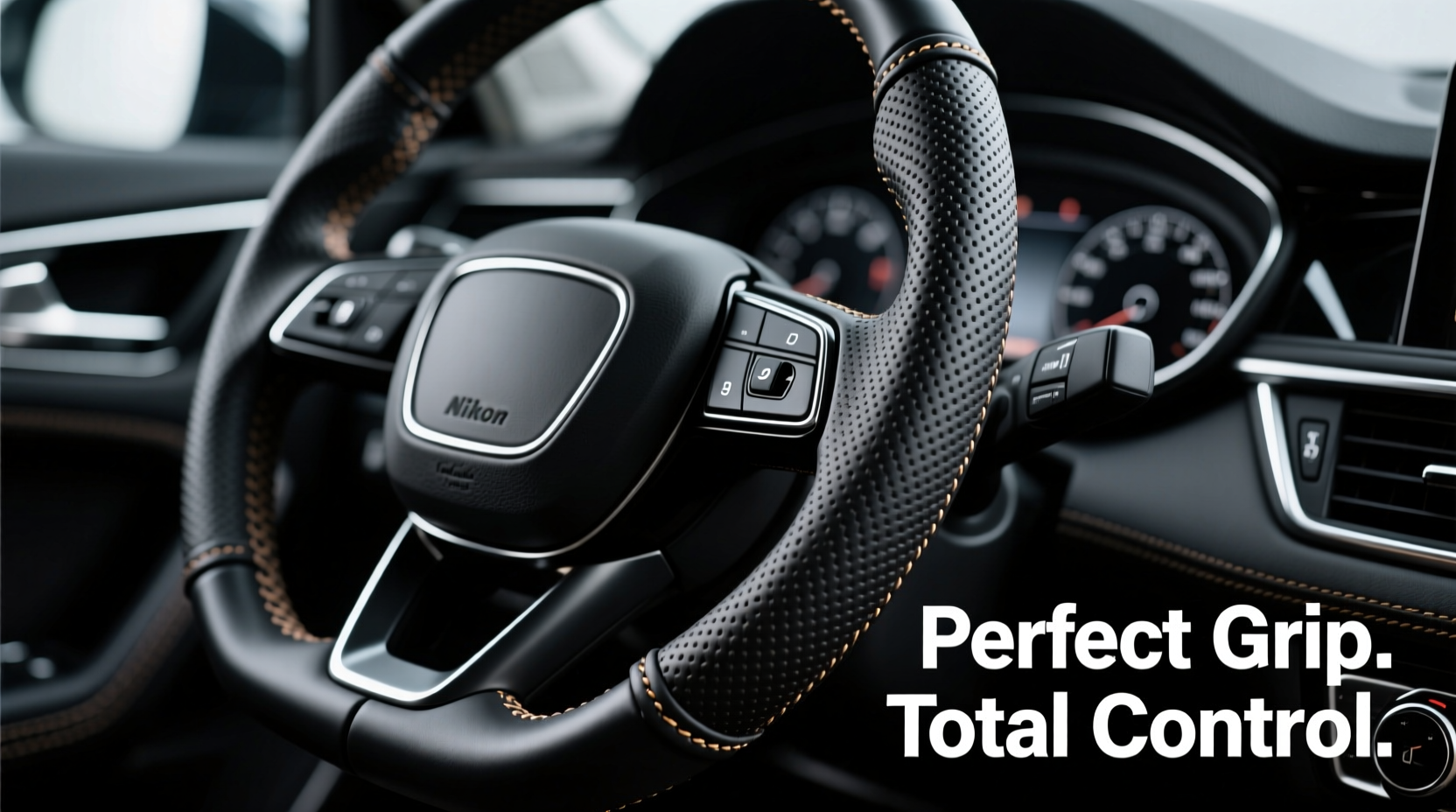
Grip isn’t just about comfort—it directly affects safety. A secure hold allows for precise steering input, especially during sudden maneuvers, wet conditions, or long drives where fatigue sets in. Poor traction increases the risk of hand slippage, which can delay reaction times and reduce vehicle responsiveness.
The original equipment manufacturer (OEM) steering wheel may degrade over time due to UV exposure, oils from skin, and temperature fluctuations. A well-chosen cover revitalizes the surface, offering better tactile feedback and reducing vibration transfer. Drivers who frequently commute, drive in extreme climates, or operate larger vehicles like trucks and SUVs benefit most from enhanced grip solutions.
“Even a 10% improvement in steering grip can reduce driver strain and improve accident avoidance response.” — Dr. Alan Reeves, Automotive Ergonomics Researcher, University of Michigan Transportation Institute
Material Comparison: What Works Best for Grip?
The material of a steering wheel cover determines its texture, durability, and performance in different environments. Here's a breakdown of common options:
| Material | Grip Level | Durability | Best For | Limitations |
|---|---|---|---|---|
| Neoprene | High (especially when wet) | Moderate | Rainy climates, sweaty hands | Can stretch over time |
| Suede / Faux Suede | Very High | Good | Premium feel, dry conditions | Slippery when wet, harder to clean |
| Leather (Genuine or Synthetic) | Medium-High | Excellent | All-season use, luxury appeal | Requires conditioning, may crack |
| Knit Fabric with Rubber Backing | High | Fair | Budget option, mild climates | Less durable, prone to fraying |
| Perforated Silicone/Gel Blend | Very High | Excellent | Performance driving, heat resistance | Heavier, less breathable |
For maximum grip in variable conditions, neoprene and perforated silicone blends outperform others due to their hydrophobic properties and textured surfaces. Suede offers excellent dry grip but loses effectiveness when damp—making it less ideal for humid regions or drivers who perspire easily.
Ensuring a Perfect Fit: Size, Shape, and Installation
No matter how grippy the material, a poorly fitted cover compromises safety. A loose cover can twist during sharp turns or emergency steering, leading to loss of directional control. Conversely, an overly tight cover may damage the airbag stitching or resist deployment.
Most standard steering wheels range from 14.5 to 15.5 inches in diameter. Measure your wheel by wrapping a tape measure around the outer edge and dividing the circumference by π (3.14). Match this number to the product specifications before purchasing.
Modern vehicles often have non-circular steering wheels—such as D-shaped or flat-bottom designs. Universal-fit covers may not conform properly to these shapes. Always verify compatibility with your vehicle make and model, especially if you have built-in controls, a horn pad, or airbag emblem.
Step-by-Step: Installing a Steering Wheel Cover Correctly
- Clean the steering wheel thoroughly with a mild disinfectant wipe to remove grease and dust.
- Align the cover’s top marker (often a tag or contrasting thread) with the top center of the wheel.
- Begin stretching the cover over the top half, working symmetrically downward.
- Use both hands to evenly pull each side toward the bottom, avoiding twisting.
- If equipped with elastic bands or inner grips, ensure they are seated flush against the wheel rim.
- Check that no wrinkles remain and that the cover doesn’t interfere with airbag labels or buttons.
Real Driving Scenario: Commuter vs. Performance Needs
Consider Maria, a daily commuter in Seattle. Her 2018 Honda Civic’s leather-wrapped wheel became slick after two years of frequent rain exposure. She installed a neoprene cover with a honeycomb texture and internal silicone grip strips. The result? Improved confidence during downpours, reduced hand fatigue on her 45-minute highway commute, and no slippage even with damp gloves in winter.
In contrast, James, an amateur track day enthusiast, upgraded his Subaru WRX’s wheel with a perforated silicone racing cover. Designed for high-G cornering, it offered superior sweat resistance and firm tactile feedback. During autocross events, he reported quicker turn-in response and less repositioning mid-corner—critical advantages in precision driving.
These examples show that the “perfect” cover depends on driving context. Daily drivers prioritize comfort and weather resistance, while performance users need rigidity and minimal flex.
Key Features That Enhance Control
- Textured Surface Patterns: Diamond quilting, ridges, or micro-perforations increase friction between palm and wheel.
- Anti-Rotation Design: Internal silicone dots or rubberized bands prevent the cover from spinning independently.
- Seamless Construction: Fewer seams mean fewer pressure points and reduced hand irritation during extended use.
- Ventilation Zones: Perforated sections help manage heat and moisture buildup, maintaining consistent grip.
- Compatibility with Gloves: Some covers maintain traction even with thin driving gloves, useful in cold climates.
Checklist: Choosing Your Ideal Steering Wheel Cover
- ✅ Measured your steering wheel diameter accurately
- ✅ Verified shape compatibility (round, D-shape, etc.)
- ✅ Selected a high-traction material suitable for your climate
- ✅ Confirmed anti-slip inner lining or grip technology
- ✅ Ensured unobstructed access to airbag indicators and controls
- ✅ Read verified customer reviews focusing on long-term fit and durability
- ✅ Avoided covers requiring tools or permanent modifications
Frequently Asked Questions
Will a steering wheel cover interfere with airbag deployment?
Well-designed covers made for specific vehicle models or using stretch-fit technology do not hinder airbag function. However, avoid bulky, rigid, or adhesive-mounted covers. Always choose products labeled as airbag-safe and never place anything beneath the cover that could block inflation.
How often should I replace my steering wheel cover?
Replace it every 1–2 years depending on usage, or sooner if you notice cracking, excessive stretching, or diminished grip. Regular cleaning with appropriate products extends lifespan.
Can I install a cover on a heated steering wheel?
Yes, but only if the cover is explicitly rated for use with heated wheels. Materials like genuine leather and certain silicones tolerate heat better than synthetics or knits, which may warp or degrade prematurely.
Final Thoughts: Take Control of Your Drive
Your hands are the final link in the chain between intention and action on the road. A steering wheel cover shouldn’t be chosen based on looks alone—it’s a functional component that influences safety, comfort, and driving precision. By prioritizing grip-enhancing materials, precise fit, and intelligent design, you equip yourself with greater control in every condition.
Whether you're navigating city traffic, enduring a cross-country trip, or pushing limits on winding roads, the right cover makes a measurable difference. Evaluate your driving habits, assess your environment, and invest in a solution that supports confident handling. The road rewards attention to detail—and your steering wheel is no exception.




 浙公网安备
33010002000092号
浙公网安备
33010002000092号 浙B2-20120091-4
Comments
No comments yet. Why don't you start the discussion?