
Concealer is one of the most essential tools in any makeup routine—used to brighten under-eye areas, cover redness, and hide blemishes. Yet, many people struggle with an all-too-common issue: ghosting. This occurs when concealer appears ashy, chalky, or noticeably different from the surrounding skin, creating a visible, unnatural line. While application technique plays a role, the root cause often lies in choosing the wrong undertone.
Selecting a concealer that matches not just your skin tone but also your undertone is crucial for seamless blending and long-lasting wear. Undertones are subtle hues beneath the surface of your skin—cool, warm, or neutral—that influence how colors interact with your complexion. A mismatch here can make even high-end concealers look off. Understanding your undertone and how it translates into product selection eliminates ghosting and elevates your entire makeup look.
Understanding Skin Undertones
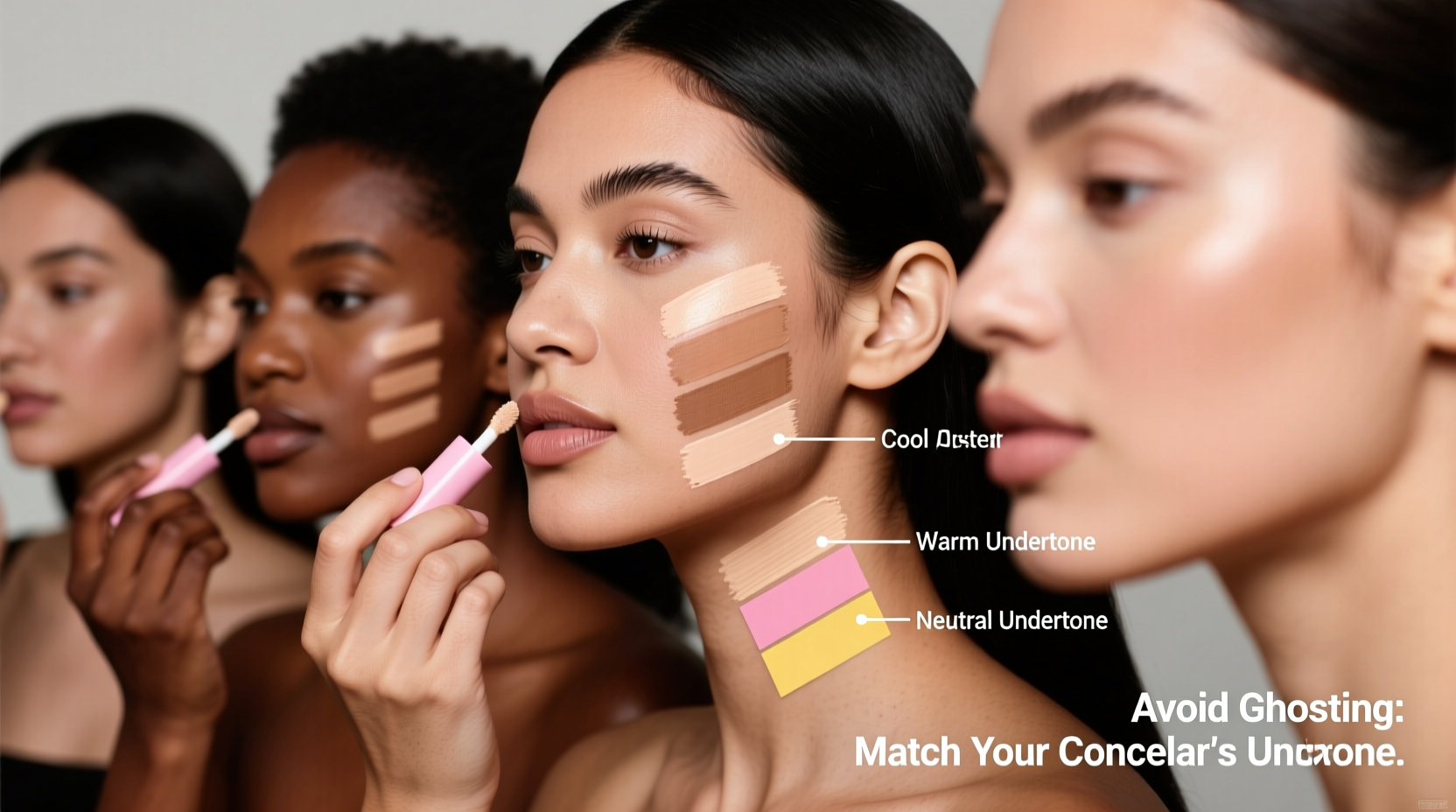
Before selecting a concealer, you must first identify your skin’s undertone. Unlike surface color, which can change with sun exposure, undertones remain consistent throughout your life. There are three primary categories:
- Cool: Pink, red, or bluish undertones. Veins on the wrist often appear blue or purple.
- Warm: Yellow, golden, or peachy undertones. Veins tend to look greenish.
- Neutral: A mix of cool and warm, or balanced tones. Veins may appear both blue and green.
A quick test involves observing how your skin reacts to gold versus silver jewelry. If silver complements your skin better, you likely have cool undertones. If gold enhances your glow, you're probably warm-toned. If both work, you’re likely neutral.
It's important to note that undertone and skin tone are not the same. Two people with the same skin tone (e.g., light) can have different undertones—one cool, one warm—which affects how a concealer will appear on their skin.
The Role of Concealer Undertones in Preventing Ghosting
Ghosting happens when a concealer creates a stark contrast against your natural skin, especially under the eyes where skin is thinner and more translucent. This effect is amplified by incorrect undertones. For example, a concealer with too much pink can turn gray on warm skin, while a yellow-heavy formula can look orange or muddy on cool tones.
Even if the shade appears close in the bottle, the underlying hue determines whether it blends invisibly or stands out. The goal is to find a concealer that disappears into the skin, not draws attention to imperfections.
Under-eye concealing requires particular attention because this area often has different pigmentation than the rest of the face. Many people mistakenly go too light, hoping to brighten dark circles, only to end up with a ghostly cast. Instead, brightness should come from correct undertone alignment and strategic placement—not excessive lightening.
“Choosing concealer based solely on lightness leads to more problems than it solves. The key is harmony between your skin’s base tone and the product’s undertone.” — Lila Monroe, Celebrity Makeup Artist and Color Theory Specialist
How to Match Concealer Undertones to Your Skin
Once you’ve identified your undertone, the next step is translating that knowledge into smart product choices. Here’s how to do it effectively:
Step 1: Test in Natural Light
Swatching concealer indoors under fluorescent or warm lighting can mislead you. Always test along your jawline or under-eye area in daylight. Apply a small amount, blend gently, and wait a few minutes for the product to oxidize before judging the match.
Step 2: Understand Common Concealer Undertones
Brands typically label undertones using terms like:
- Neutral – Balanced, suitable for true neutral skin.
- Neutral Cool – Slight pink or beige-pink, ideal for cool undertones.
- Neutral Warm – Beige with yellow or golden hints, best for warm complexions.
- Peach – Used to counteract dark circles in medium to deep warm skin.
- Salmon – For deeper warm/olive tones to neutralize severe darkness.
Avoid pure white or starkly bright concealers—they almost always result in ghosting.
Step 3: Adjust for Purpose
Your concealer choice may vary depending on its use:
- Under eyes: Choose a shade no more than one level lighter than your foundation, with matching undertones.
- Blemishes/redness: Use your exact skin tone with correct undertone for invisible coverage.
- Brightening: Opt for a concealer with a slightly warmer or peachier undertone rather than a lighter shade.
Common Mistakes That Lead to Ghosting
Even with the right shade, poor habits can still cause ghosting. These pitfalls are easily avoided with awareness:
| Mistake | Why It Causes Ghosting | Solution |
|---|---|---|
| Using a concealer too light | Creates contrast, especially under thin under-eye skin | Choose only one shade lighter at most; prioritize undertone match |
| Ignoring oxidation | Some formulas darken after application, leading to mismatch | Wait 5–10 minutes after applying to assess true color |
| Not blending properly | Hard edges trap light, making product stand out | Use a damp sponge or brush for seamless diffusion |
| Using cool-toned concealers on warm skin | Results in ashy, grayish cast | Stick to warm or neutral-warm shades |
| Applying over dry or flaky skin | Product clings to texture, emphasizing unevenness | Hydrate skin thoroughly before makeup |
Real-World Example: Avoiding Ghosting on Olive Skin
Consider Maria, a woman with medium olive skin (Fitzpatrick Type IV) and warm undertones. She frequently experienced ghosting under her eyes despite using a popular “brightening” concealer labeled “light.” The product had a cool-neutral undertone, which clashed with her golden base. In photos, the area appeared gray and sunken.
After consulting a makeup artist, she switched to a concealer with a neutral-warm undertone in the same lightness level. The difference was immediate: the new formula blended seamlessly, enhanced radiance without chalkiness, and lasted all day without fading into an ashy mess. Her experience underscores that brightness comes from harmony, not lightness alone.
Checklist: Choosing the Right Concealer Undertone
Follow this checklist to ensure you select a concealer that avoids ghosting and integrates naturally with your skin:
- Identify your skin’s undertone using the vein or jewelry test.
- Test potential concealers on your under-eye area, not your hand or arm.
- Observe the swatch in natural daylight after 5 minutes.
- Ensure the concealer matches your foundation’s undertone.
- Avoid going more than one shade lighter than your natural skin tone.
- Check for oxidation—does the color shift after application?
- Blend thoroughly with a damp beauty sponge or precise brush.
- Set lightly with a translucent powder that matches your undertone.
- Reassess your choice seasonally—your skin tone may change slightly with sun exposure.
- Keep a record of successful product names and undertone labels for future reference.
Frequently Asked Questions
Can I use a peach concealer if I have cool undertones?
Generally, no. Peach concealers are designed to neutralize bluish or purple-toned dark circles common in warm and deep skin tones. On cool skin, peach can create an unnatural orange or sallow appearance. Instead, opt for a salmon or yellow-based corrector if needed, followed by a concealer that matches your cool undertone.
Why does my concealer look gray after a few hours?
This is often due to undertone mismatch combined with oxidation or interaction with skincare ingredients. For example, vitamin C serums or moisturizers with high pH levels can alter the way makeup settles. Try switching to a neutral-warm or warm-toned concealer if you have warm or olive skin, and ensure your skincare has fully absorbed before applying makeup.
Is it okay to use a different undertone for concealer than foundation?
Only in specific corrective cases. For general use, your concealer should align with your foundation’s undertone. Using a different undertone regularly can result in patchiness and ghosting. If you need color correction (e.g., green for redness), apply it beneath your concealer, not as a replacement.
Expert Tips for Long-Term Success
Mastering undertone selection isn’t a one-time task—it evolves with your skin and environment. Seasonal changes, aging, and skincare routines can subtly shift your complexion. Reevaluate your concealer twice a year, especially when transitioning between winter and summer.
Additionally, layering matters. Applying concealer over a well-moisturized, primed canvas ensures even dispersion and reduces the risk of settling into fine lines, which can exaggerate ghosting. Use hydrating eye creams free of silicones or heavy oils that might interfere with makeup adhesion.
When shopping online, look for brands that specify undertones clearly—such as Fenty Beauty, NARS, or Tower 28—and read reviews that mention “no ghosting” or “blends seamlessly.” Swatch videos on natural skin tones can also provide valuable insight.
Final Thoughts: Achieve Flawless Coverage Without the Fallout
Choosing the right undertone for concealer is not about chasing trends or picking the brightest option on the shelf. It’s about precision, observation, and understanding your unique skin chemistry. Ghosting is preventable—not through thicker application or more product, but through smarter selection.
When your concealer matches your undertone, it doesn’t just hide imperfections—it enhances your natural clarity. The result is a rested, polished look that appears effortless. No one should notice your concealer; they should only notice your glow.




 浙公网安备
33010002000092号
浙公网安备
33010002000092号 浙B2-20120091-4
Comments
No comments yet. Why don't you start the discussion?