
Suede is one of the most stylish materials used in footwear, offering a soft texture and timeless appeal. But it’s also notoriously vulnerable to water damage. A sudden rainstorm or an unexpected puddle can leave your favorite suede boots damp, stained, or even permanently marked if not treated properly. The good news: with the right techniques, you can rescue your boots from moisture exposure and preserve their look and longevity. The key lies in understanding the nature of suede and acting quickly—but carefully.
Unlike leather, suede is made from the underside of animal hide, giving it a napped finish that’s porous and highly absorbent. This means water doesn’t just sit on the surface—it soaks in fast, potentially causing discoloration, stiffening, and mold growth. However, panic isn’t necessary. With patience and the correct tools, you can reverse much of the damage caused by a rainy walk and keep your boots looking sharp for seasons to come.
Understanding Suede and Why Water Is a Threat
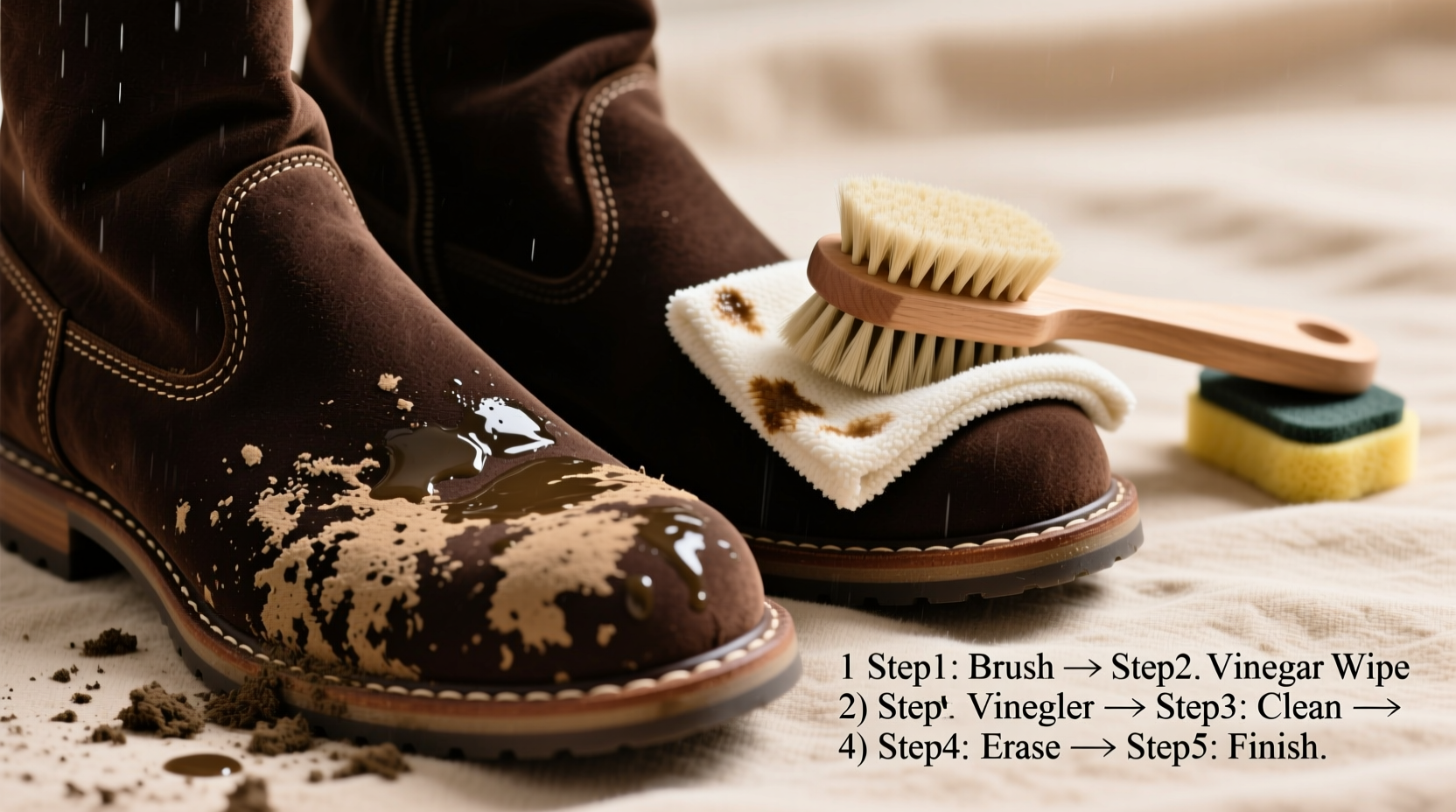
Suede’s luxurious texture comes at a cost: vulnerability. Because it’s unfinished and fibrous, it lacks the protective topcoat found in full-grain leathers. When water hits suede, it causes the fibers to swell and clump together, leading to dark spots, stiffness, and sometimes permanent texture changes. What looks like a simple wet patch may, if mishandled, turn into a hardened, discolored area that ruins the boot’s appearance.
It’s important to note that not all water damage is equal. Clean rainwater poses less risk than muddy puddles or salt-laden slush, which introduce contaminants that stain and corrode the material. Immediate action is crucial—not just to dry the boots, but to prevent mineral deposits, dirt buildup, and microbial growth inside the fibers.
“Suede reacts poorly to moisture because its open-pore structure absorbs liquids like a sponge. The goal isn’t just drying—it’s restoring the nap and preventing fiber collapse.” — Marcus Hale, Footwear Restoration Specialist
Step-by-Step Guide: Drying and Cleaning Wet Suede Boots
The process of cleaning suede boots after rain must be methodical. Rushing or using improper tools (like heat or harsh chemicals) can do more harm than good. Follow this timeline-based approach to maximize recovery:
- Remove Excess Surface Moisture (0–30 minutes post-exposure)
As soon as you get indoors, gently blot the exterior with a clean, dry microfiber cloth or paper towel. Do not rub—press lightly to absorb standing water. Avoid terry cloth towels, which can leave lint or cause friction damage.
- Loosen Laces and Remove Insoles (Within 1 hour)
Unlace the boots fully and pull out the inner soles if possible. This allows air to circulate inside, reducing internal dampness that can lead to odor or mildew. Place the insoles somewhere warm and dry to air out separately.
- Stuff with Absorbent Material (Within 2 hours)
Use acid-free tissue paper, plain newsprint, or cedar shoe trees to maintain shape and draw moisture from within. Crumple the paper loosely—don’t overpack, as this could stretch the upper. Replace every few hours as the paper becomes damp.
- Air-Dry Naturally (Over 24–48 hours)
Place the boots in a well-ventilated room away from direct sunlight, radiators, or hairdryers. Ideal temperature is between 65–75°F (18–24°C). Never use artificial heat—this seals stains and hardens the fibers irreversibly.
- Brush the Nap Once Fully Dry (After 48 hours)
Once the boots are completely dry (no cool spots remain), use a suede brush with brass or nylon bristles. Brush in one direction using light, even strokes to lift the nap. Focus on flattened areas, working gradually until texture evens out.
- Treat Stains or Water Marks (If Present)
If white rings or dark spots remain, use a suede eraser—a rubber-like block designed to break up residue without abrasion. Gently rub the affected area, then brush again. For stubborn marks, consider a specialized suede cleaner applied sparingly with a cotton swab.
Do’s and Don’ts: A Quick Reference Table
| Do | Don’t |
|---|---|
| Blot with a microfiber cloth | Rub aggressively with a towel |
| Use tissue paper for stuffing | Use newspaper with heavy ink (can transfer) |
| Air-dry at room temperature | Place near a heater or in direct sun |
| Brush with a proper suede tool | Use wire brushes or sandpaper |
| Use a suede protector spray pre-wear | Apply waterproofing after they’re already wet |
Real Example: Recovering From a Sudden Downpour
Jessica, a graphic designer in Seattle, loves wearing her chestnut-brown suede ankle boots to work. One afternoon, during what was forecasted as a clear day, a sudden thunderstorm hit as she walked home. She stepped into a deep puddle, soaking both boots above the sole. By the time she reached her apartment, the uppers were darkened and sagging slightly.
Instead of panicking, she followed a disciplined routine. First, she blotted the surface with a clean kitchen towel, then removed the laces and insoles. She stuffed each boot with crumpled parchment paper from her baking supplies—neutral, non-bleeding, and highly absorbent. She placed them near a fan in her hallway, ensuring airflow without direct heat.
Every three hours, she replaced the paper. After two days, the boots felt dry to the touch. Using a suede brush she’d bought months earlier, she brushed the nap in long strokes. A faint watermark remained near the toe cap, so she used a suede eraser in circular motions. Within minutes, the mark faded significantly. While not 100% invisible, the boots regained their softness and visual integrity—ready for another season.
This case illustrates that even significant exposure can be managed with timely, correct care. Prevention helps, but recovery is possible when technique trumps haste.
Essential Tools for Suede Boot Maintenance
Keeping a small kit on hand makes post-rain recovery easier and more effective. Here’s what every suede boot owner should have:
- Suede brush: Preferably dual-sided, with brass bristles for deep cleaning and nylon for daily maintenance.
- Suede eraser: A gum-like block that lifts stains and restores texture without scratching.
- Microfiber cloths: Lint-free and gentle, ideal for initial moisture removal.
- Cedar shoe trees: Help absorb internal moisture and maintain shape during drying.
- Protective spray: A silicone-free, water-repellent formula applied before seasonal wear.
- Soft cotton swabs: Useful for spot-treating stains in tight seams or stitching.
These tools aren’t expensive but can save hundreds in replacement costs over time. Store them together in a drawer or pouch for quick access after weather surprises.
Prevention: How to Protect Suede Before It Rains
The best way to clean suede boots after rain is to avoid damage in the first place. Modern fabric protectors offer impressive defense against moisture without altering appearance. Look for sprays labeled “suede-safe” or “breathable water repellent.” Brands like Tarrago Nano Protector or Collonil Waterstop are widely recommended by cobblers and fashion experts.
To apply:
- Clean the boots thoroughly and ensure they’re dry.
- Shake the spray can well and hold 15–20 cm from the surface.
- Spray in even, overlapping passes—do not saturate.
- Let dry for at least 24 hours before wearing.
- Reapply every 4–6 weeks, or after deep cleaning.
Note: No spray makes suede fully waterproof. They create a temporary barrier that buys time in light rain or mist, but prolonged exposure will still overwhelm protection. Use them as a safety net, not a guarantee.
Frequently Asked Questions
Can I use vinegar or soap to clean wet suede?
No. Household cleaners, including vinegar, dish soap, or alcohol, can strip natural oils, cause staining, or set discoloration. Only use products specifically formulated for suede. If needed, a tiny amount of distilled water on a cotton swab can help dilute fresh stains, but never soak the material.
What if my suede boots got wet with salt stains in winter?
Salt is especially damaging. Once boots are dry, mix a few drops of distilled water with a suede cleaner to form a light foam. Apply with a soft brush in circular motions only on stained areas. Let dry completely, then erase and brush. Repeat if necessary. Prevent future issues by avoiding sidewalks treated with de-icing agents.
How often should I condition suede boots?
Suede does not require conditioning like smooth leather. In fact, oils can darken or clog the fibers. Instead, focus on brushing regularly to maintain loft and applying protective sprays. If boots feel brittle over time, consult a professional restorer rather than DIY treatments.
Checklist: Post-Rain Suede Boot Recovery
Keep this checklist handy for emergencies:
- ✅ Blot exterior with microfiber cloth
- ✅ Remove laces and insoles
- ✅ Stuff with acid-free paper or shoe trees
- ✅ Air-dry in a ventilated, shaded area
- ✅ Replace stuffing every few hours
- ✅ Wait 24–48 hours before touching further
- ✅ Brush nap with proper suede brush
- ✅ Use eraser on remaining marks
- ✅ Reapply protector once fully restored
Conclusion
Cleaning suede boots after a rainy walk doesn’t have to mean disaster. With knowledge, patience, and the right tools, you can reverse most water-related damage and extend the life of your footwear significantly. The secret lies in resisting the urge to rush—no heaters, no hairdryers, no aggressive scrubbing. Let time and technique do the work.
Your suede boots are an investment in style and comfort. Treat them with consistent care, prepare for the unexpected with preventive sprays, and act decisively when things go wrong. Every step you take now preserves their beauty for the walks ahead.




 浙公网安备
33010002000092号
浙公网安备
33010002000092号 浙B2-20120091-4
Comments
No comments yet. Why don't you start the discussion?