
As temperatures rise each summer, many people notice a creeping sense of exhaustion that isn't easily explained by activity or sleep habits. You might find yourself sluggish in the afternoon, lacking motivation, or struggling to concentrate—even after a full night’s rest. This phenomenon, commonly known as summer fatigue, affects millions worldwide. While it may seem like just an inconvenience, understanding its biological roots can help you manage energy levels more effectively during the warmer months.
The Science Behind Heat-Induced Fatigue
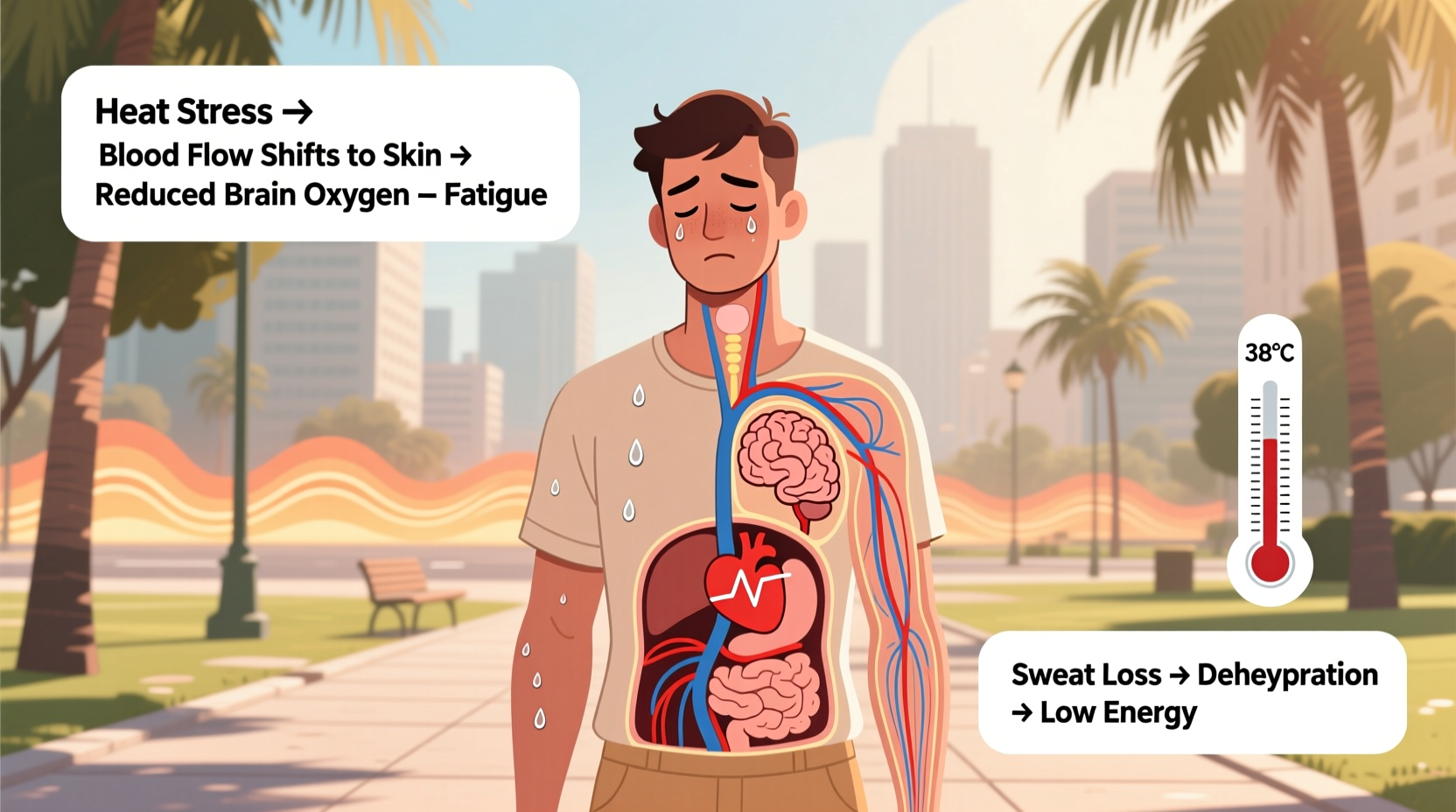
Human bodies are finely tuned to maintain a core temperature of around 98.6°F (37°C). When external temperatures climb, your body activates multiple systems to cool itself—primarily through sweating and increased blood circulation to the skin. These processes require significant energy and place added strain on your cardiovascular system.
As your heart works harder to pump blood to the skin's surface for cooling, less oxygen-rich blood reaches your brain and muscles. This subtle shift can lead to feelings of lethargy, reduced alertness, and slower reaction times. Additionally, excessive sweating leads to fluid and electrolyte loss, which, if not replenished, contributes to dehydration—a major factor in fatigue.
“Even mild dehydration—just 1–2% loss of body weight in fluids—can impair cognitive performance and increase perceived effort during routine tasks.” — Dr. Lena Patel, Environmental Physiology Researcher, University of Colorado
How Humidity Amplifies Summer Tiredness
While high temperatures alone are taxing, humidity dramatically worsens the effect. In humid conditions, sweat evaporates more slowly from your skin, reducing its cooling efficiency. Your body continues producing sweat without achieving effective heat dissipation, leading to prolonged stress on thermoregulatory systems.
This inefficiency forces your body into a constant state of overheating response, increasing metabolic demand and accelerating fatigue. Urban environments with concrete and limited green space often experience higher humidity and heat retention due to the urban heat island effect, compounding the challenge for city dwellers.
Disrupted Sleep Patterns in Hot Weather
One of the most underappreciated causes of summer fatigue is poor sleep quality. Optimal sleep occurs in cooler room temperatures—typically between 60–67°F (15–19°C). When nighttime temperatures remain elevated, falling asleep and staying in deep sleep becomes significantly harder.
Your body naturally lowers its core temperature during the onset of sleep. If the environment is too warm, this physiological drop is hindered, delaying sleep onset and fragmenting sleep cycles. Over time, even small nightly disruptions accumulate into chronic sleep debt, manifesting as daytime drowsiness, irritability, and poor concentration.
Signs Your Sleep Is Affected by Heat
- Frequent awakenings during the night
- Waking up feeling unrefreshed
- Increased reliance on caffeine in the morning
- Afternoon naps becoming necessary
Common Misconceptions About Summer Energy Levels
Many assume that fatigue in summer is simply due to laziness or lack of motivation. However, the reality is rooted in physiology, not mindset. Some believe drinking cold beverages alone will counteract heat effects—but while they offer temporary relief, they don’t address underlying hydration or electrolyte imbalances.
Another myth is that acclimatization eliminates all risk. While your body does adapt over 7–14 days of consistent heat exposure, individual differences in fitness, age, and health status mean adaptation varies widely. Older adults and those with cardiovascular conditions remain particularly vulnerable.
| Myth | Reality |
|---|---|
| Feeling tired in summer means you're out of shape. | Fatigue is normal in heat; even athletes experience reduced endurance. |
| Cold showers eliminate heat fatigue instantly. | They provide short-term relief but don’t reverse internal strain. |
| Drinking water is enough in hot weather. | Sweat contains sodium and potassium—electrolyte replacement is essential. |
| Only intense exercise causes heat exhaustion. | Prolonged sitting in hot rooms can also lead to cumulative fatigue. |
Practical Strategies to Combat Summer Fatigue
Managing summer fatigue isn’t about avoiding heat entirely—it’s about smart adaptation. Small behavioral adjustments can significantly improve comfort, energy, and productivity.
Step-by-Step Guide: Daily Routine Adjustments for Cooler Days
- Morning hydration: Start the day with 16 oz of water mixed with a pinch of salt and lemon to restore overnight fluid loss.
- Adjust workout timing: Exercise before 10 a.m. or after 6 p.m. when temperatures are lower.
- Cool your core: Apply damp cloths to wrists, neck, and temples during peak heat hours.
- Optimize sleep environment: Use fans, blackout curtains, or cooling mattress pads to keep bedroom temperature below 70°F.
- Eat lighter meals: Heavy, spicy, or protein-rich meals increase metabolic heat production.
Nutrition and Hydration Checklist
- ✅ Drink at least 8–10 glasses of water daily (more if active)
- ✅ Consume potassium-rich foods: bananas, spinach, avocados
- ✅ Include sodium in meals if sweating heavily (e.g., broth, salted nuts)
- ✅ Limit alcohol and caffeine—they dehydrate and disrupt sleep
- ✅ Eat water-dense fruits: cucumber, watermelon, oranges
Real-Life Example: Office Workers in Un-air-conditioned Spaces
In a 2022 case study conducted in Austin, Texas, researchers monitored productivity and alertness among employees working in non-climate-controlled administrative offices during July and August. Despite moderate workloads, staff reported a 34% increase in midday fatigue compared to spring months. Cognitive tests showed delayed response times and higher error rates when indoor temperatures exceeded 80°F.
After introducing portable fans, scheduled cool breaks, and hydration reminders, subjective fatigue dropped by nearly half within two weeks. Productivity metrics improved, and absenteeism related to heat discomfort decreased. The results underscored that even modest interventions can yield meaningful improvements in real-world settings.
Frequently Asked Questions
Can summer fatigue be a sign of an underlying health issue?
Occasional tiredness in heat is normal, but persistent fatigue—especially accompanied by dizziness, rapid heartbeat, or confusion—may indicate heat exhaustion or a medical condition like anemia, thyroid dysfunction, or cardiovascular problems. Consult a healthcare provider if symptoms persist beyond cool-down periods.
Is it safe to take afternoon naps during summer?
Yes, short naps (10–20 minutes) can help restore alertness without disrupting nighttime sleep. Avoid napping after 4 p.m. or sleeping longer than 30 minutes, as this may interfere with your circadian rhythm.
Do certain medications increase sensitivity to heat?
Absolutely. Antihistamines, antidepressants, diuretics, and some blood pressure medications can impair sweating or fluid balance, increasing vulnerability to heat-related fatigue. Always consult your doctor about heat safety if you’re on prescription drugs.
Conclusion: Take Control of Your Summer Energy
Summer fatigue isn’t a personal failing—it’s a predictable physiological response to environmental stress. By recognizing the mechanisms behind heat-induced tiredness, you gain the power to respond proactively. Whether it’s adjusting your daily schedule, improving hydration, or optimizing your sleep space, small changes add up to sustained energy and well-being.
Don’t let the season dictate your vitality. Listen to your body, respect the heat, and implement these strategies consistently. Staying cool isn’t just about comfort—it’s a foundation for health, focus, and resilience all summer long.




 浙公网安备
33010002000092号
浙公网安备
33010002000092号 浙B2-20120091-4
Comments
No comments yet. Why don't you start the discussion?