
White canvas shoes are a timeless wardrobe staple—versatile, breathable, and effortlessly stylish. But their bright appearance comes at a cost: they show dirt quickly and are prone to yellowing when improperly cleaned. Worse, aggressive scrubbing or incorrect drying techniques can fray the edges, weakening the structure and shortening the shoe’s lifespan. Many people reach for bleach or toss them in the washing machine, only to find their once-crisp sneakers discolored, stiff, or unraveling at the seams.
The good news is that with the right approach, you can restore your white canvas shoes to their original brightness while preserving their integrity. This guide outlines proven, gentle cleaning methods that prevent yellowing and protect stitching, so your sneakers stay fresh and intact season after season.
Understanding Why Canvas Shoes Yellow and Fray
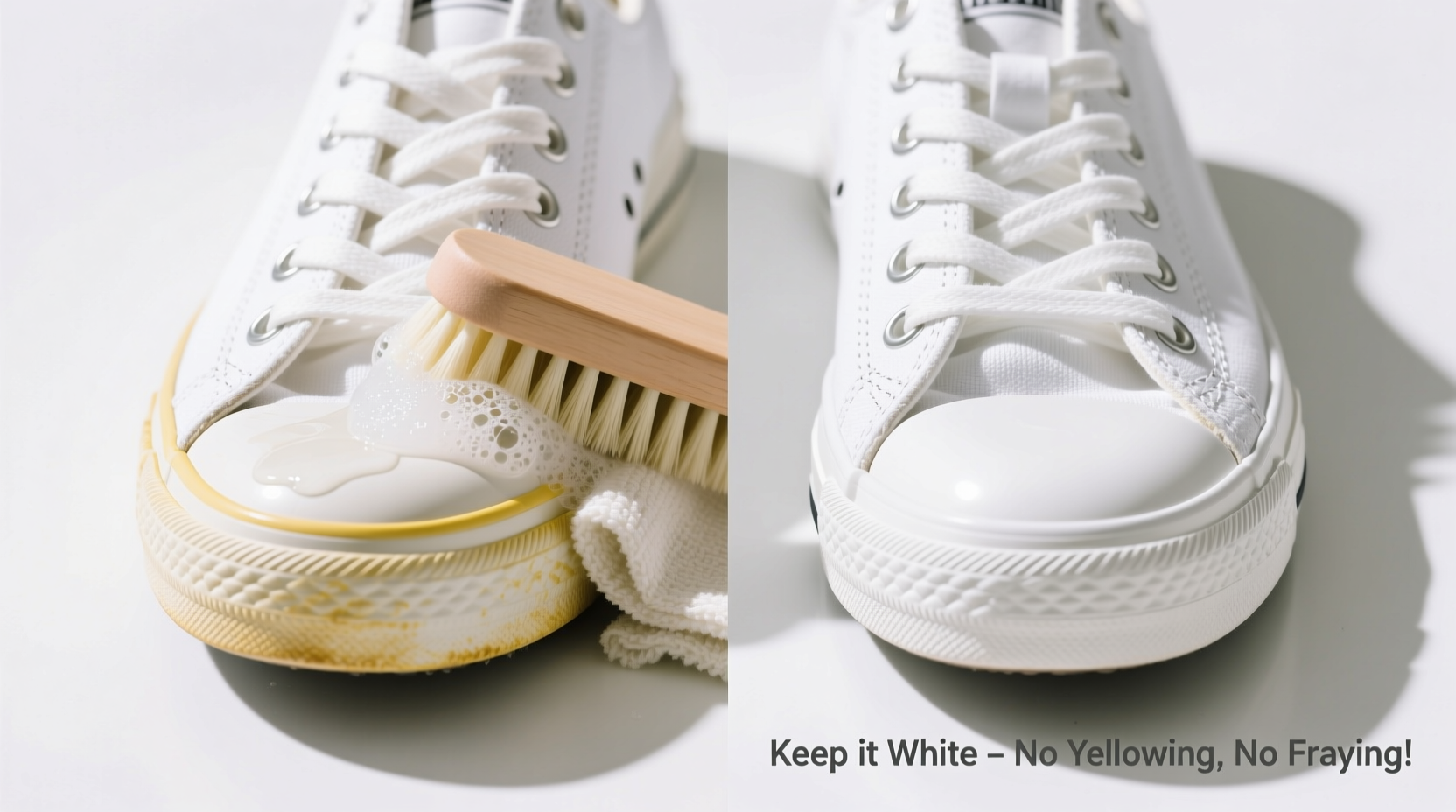
Before diving into cleaning techniques, it's essential to understand what causes yellowing and edge damage. Yellowing typically occurs due to oxidation, residue buildup from detergents, or exposure to sunlight during drying. Bleach, though tempting, breaks down cotton fibers and accelerates yellowing over time. Heat—especially from dryers or direct sun—causes adhesive breakdown and promotes discoloration.
Fraying happens when the canvas fibers around the toe cap or heel collar degrade. This is often the result of excessive scrubbing, soaking for too long, or using rough-bristled brushes. The edges are particularly vulnerable because they endure constant friction and stress during wear.
“Many people ruin their canvas shoes not by neglect, but by overcleaning. Gentle care preserves both color and structure.” — Lena Patel, Textile Restoration Specialist
Safe Cleaning Methods That Prevent Damage
Cleaning white canvas shoes effectively requires a balance between removing stains and protecting fabric. Below are three reliable methods that avoid harsh chemicals and mechanical stress.
Method 1: Baking Soda and Hydrogen Peroxide Paste
This combination lifts stains and gently whitens without bleaching. Hydrogen peroxide is an oxygen-based cleaner that breaks down organic matter, while baking soda acts as a mild abrasive and odor neutralizer.
- Mix 1 tablespoon of baking soda with 1 tablespoon of hydrogen peroxide (3%) to form a thick paste.
- Using a soft-bristled toothbrush, apply the paste to stained areas, focusing on the sole-edge junction and toe cap.
- Gently scrub in circular motions—do not press hard.
- Let sit for 20 minutes (no longer, to avoid fiber stress).
- Rinse with a damp cloth; do not submerge.
- Blot dry with a towel and air-dry away from sunlight.
Method 2: Mild Dish Soap and Cold Water
For light soiling or routine maintenance, this method is safest. It cleans without altering pH balance or weakening adhesives.
- Dampen a microfiber cloth with cold water.
- Add 1–2 drops of fragrance-free dish soap (e.g., Dawn or Seventh Generation).
- Wipe the canvas surface gently, avoiding saturation.
- Use a second clean, damp cloth to wipe off soap residue.
- Dry with a towel and let air-dry indoors.
Method 3: Vinegar and Water Solution for Odor and Mild Stains
Vinegar naturally disinfects and deodorizes. When diluted, it won’t harm canvas fibers.
| Mixture | Application | Benefits |
|---|---|---|
| 1 part white vinegar to 3 parts water | Spray lightly on interior and exterior | Removes bacteria, prevents mildew, lifts light stains |
| Same solution with ½ tsp baking soda | Apply with soft brush for scuffs | Enhances stain-lifting without abrasion |
After treatment, wipe with a clean damp cloth and allow shoes to dry completely before wearing.
Step-by-Step Guide to Cleaning Without Damage
Follow this timeline to ensure thorough yet safe cleaning:
- Pre-Clean Inspection (5 min): Check for loose threads, glue separation, or existing fraying. Address minor repairs before cleaning.
- Lace Removal (3 min): Take out laces and wash separately in warm, soapy water. This allows full access to the tongue and eyelets.
- Dry Brushing (5 min): Use a dry soft brush to remove surface dust and debris. Prevents grinding dirt into fibers during wet cleaning.
- Targeted Stain Treatment (15 min): Apply chosen cleaning paste or solution only to stained areas. Avoid oversaturation.
- Gentle Wipe-Down (10 min): Clean entire upper with a damp, soapy cloth. Do not soak.
- Rinsing (5 min): Dab with a clean, damp cloth to remove cleaning agents. Residue attracts dirt and causes yellowing.
- Drying (12–24 hours): Stuff shoes with white paper towels to maintain shape and absorb moisture. Place in a well-ventilated room, away from direct heat or sunlight.
Do’s and Don’ts: Protecting Color and Structure
Avoid common mistakes that compromise your shoes’ appearance and durability.
| Do’s | Don’ts |
|---|---|
| Use soft-bristled brushes (like old toothbrushes) | Use wire brushes or abrasive pads |
| Dry at room temperature, stuffed with paper | Place near radiators, heaters, or in direct sun |
| Clean monthly or after heavy use | Wait until shoes are heavily soiled |
| Spot-test cleaners on inconspicuous area first | Apply strong solutions without testing |
| Store in breathable cotton bags | Leave in plastic bins where moisture accumulates |
“Sunlight may seem like a natural whitener, but UV rays break down cotton polymers and yellow canvas over time.” — Dr. Alan Zhou, Material Scientist, Sustainable Footwear Lab
Real Example: Recovering a Summer Staple
Jamie, a college student in Portland, wore her white canvas sneakers daily during a rainy spring semester. By June, they were muddy, smelly, and developing brownish streaks along the rubber trim. She tried wiping them with wipes, then soaked them overnight in soapy water—only to find the edges beginning to unravel.
After consulting a campus sustainability workshop, she learned about gentle spot-cleaning. Using the baking soda and hydrogen peroxide method, she treated the stains in stages over two weekends. She avoided soaking, used only light brushing, and dried the shoes slowly indoors with newspaper stuffing. Within three weeks, the shoes looked noticeably cleaner, with no further fraying. Jamie now cleans them every four weeks and stores them in a ventilated closet.
Her experience highlights a key truth: patience and precision matter more than intensity when caring for delicate fabrics.
Prevention Tips for Long-Term Care
Keeping white canvas shoes clean starts before the first stain appears. Proactive habits reduce the need for deep cleaning and extend material life.
- Apply a fabric protector spray: Products like Scotchgard Fabric & Upholstery Protector create a barrier against water and oil-based stains. Reapply every 4–6 weeks.
- Rotate your footwear: Wearing the same pair daily leads to sweat buildup and faster soiling. Allow 24–48 hours between wears for ventilation.
- Clean immediately after exposure to mud or rain: Letting grime sit accelerates staining and invites mildew.
- Keep a travel cleaning kit: Pack a small container with baking soda, a mini brush, and alcohol-free wipes for on-the-go touch-ups.
FAQ
Can I put white canvas shoes in the washing machine?
No. Even on gentle cycles, agitation and spin cycles can weaken stitching and cause fraying. Detergents may leave residues that attract dirt and lead to yellowing. Hand-cleaning is always safer and more effective.
Why do my canvas shoes turn yellow after cleaning?
Yellowing usually results from one of three causes: exposure to sunlight during drying, leftover detergent or cleaning agent residue, or oxidation from overuse of hydrogen peroxide. Always dry indoors and rinse thoroughly.
How can I fix already-frayed edges?
Minor fraying can be stabilized by applying a small amount of clear fabric glue (like Aleene’s) to the loose threads with a toothpick. Press flat and let dry overnight. For severe damage, consider professional repair or repurposing the shoes for indoor use.
Checklist: How to Clean White Canvas Shoes Safely
- ☐ Remove laces and set aside for separate cleaning
- ☐ Dry-brush surface dirt with a soft brush
- ☐ Spot-test cleaning solution on hidden area
- ☐ Apply paste or solution only to stained zones
- ☐ Gently scrub with circular motions—no pressure
- ☐ Wipe off residue with a clean, damp cloth
- ☐ Stuff with white paper towels to absorb moisture
- ☐ Air-dry indoors, away from heat and sunlight
- ☐ Replace stuffing every 6 hours until fully dry
- ☐ Re-lace and store in a breathable container
Conclusion
Cleaning white canvas shoes doesn’t require harsh chemicals or drastic measures. With mindful techniques, you can maintain their bright appearance and structural integrity for months—or even years. The key lies in gentleness: soft tools, minimal moisture, and patient drying. Avoid the temptation to rush the process with bleach or heat, as these shortcuts lead to irreversible damage.
By adopting the methods outlined here—spot-cleaning, proper drying, and regular maintenance—you’ll not only keep your sneakers looking fresh but also reduce waste by extending their usable life. In a world increasingly focused on sustainability, caring for what you own is one of the most impactful choices you can make.




 浙公网安备
33010002000092号
浙公网安备
33010002000092号 浙B2-20120091-4
Comments
No comments yet. Why don't you start the discussion?