
White canvas shoes are timeless—versatile, breathable, and effortlessly stylish. But their pristine appearance comes at a cost: they’re magnets for dirt, sweat stains, and worst of all, yellowing. Many people reach for bleach or harsh cleaners, only to find their once-bright sneakers turning an unsightly shade of beige. The good news? You don’t need chemicals to restore your whites. With the right natural methods, you can deep-clean your canvas shoes safely and prevent discoloration over time.
This guide dives into proven, non-toxic techniques that preserve fabric integrity while delivering visible results. From household staples like baking soda and vinegar to lesser-known tricks involving sunlight and hydrogen peroxide, these remedies are accessible, effective, and gentle on both your shoes and the environment.
The Science Behind Yellowing in White Canvas Shoes
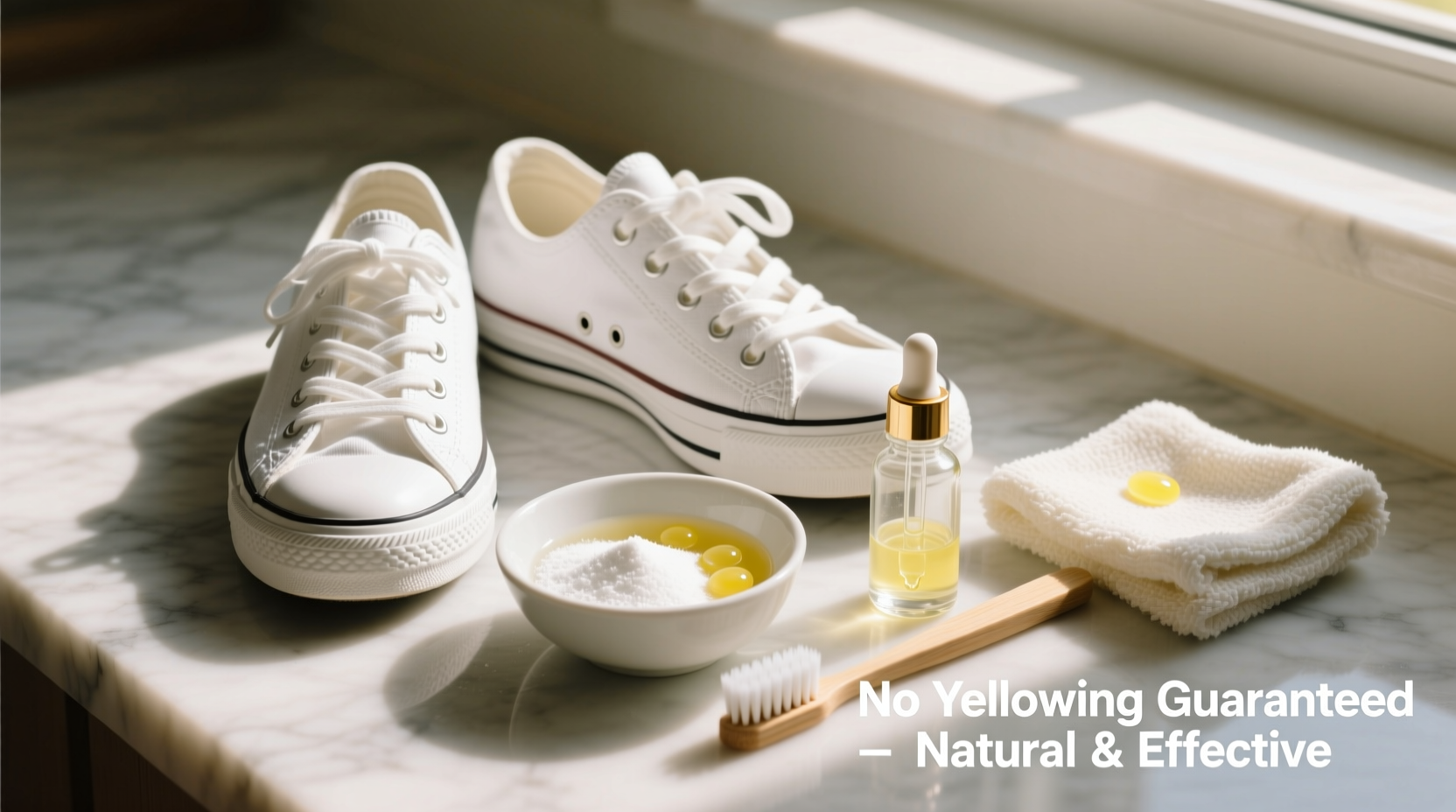
Before tackling cleaning, it’s essential to understand why white canvas yellows in the first place. Several factors contribute:
- Oxidation from sun exposure: UV rays break down fibers and cause chemical reactions in residual detergents or organic matter (like sweat), leading to yellow tints.
- Residual detergent buildup: Leftover soap trapped in fabric reacts with air and light, creating a yellow film.
- Sweat and body oils: Natural acids and salts transfer from feet and hands during wear, staining absorbent canvas.
- Poor drying practices: Drying shoes near heat sources or in direct sunlight accelerates oxidation.
Understanding these causes is half the battle. The goal isn’t just to remove surface grime but to neutralize compounds before they oxidize and discolor the fabric.
“Yellowing is often a result of improper post-wash care rather than the stain itself. Air-drying in indirect light and thorough rinsing make all the difference.” — Dr. Lena Patel, Textile Chemist & Sustainable Fashion Researcher
Natural Remedies That Work: Step-by-Step Methods
Below are five natural cleaning solutions backed by consistent user success and textile safety principles. Each method avoids chlorine bleach and synthetic brighteners, focusing instead on pH balance, mild abrasion, and enzymatic action.
1. Baking Soda + Hydrogen Peroxide Paste (Best for Scuffs and Stains)
This combination lifts dirt without damaging fibers. Baking soda acts as a gentle abrasive, while food-grade hydrogen peroxide (3%) provides oxygen-based whitening.
- Remove laces and insoles; wash separately with mild soap.
- Mix 1 tablespoon baking soda, 1 tablespoon hydrogen peroxide, and 1 teaspoon water into a thick paste.
- Apply the paste directly to stained areas using an old toothbrush.
- Gently scrub in circular motions for 1–2 minutes.
- Let sit for 20–30 minutes (do not exceed one hour).
- Rinse thoroughly under cool running water until no residue remains.
- Pat dry with a towel and air-dry away from direct sunlight.
This method works especially well on toe caps and scuff marks. Repeat once weekly if needed, but avoid overuse to prevent fiber fatigue.
2. White Vinegar Soak (Ideal for Odor and Sweat Residue)
Vinegar’s acetic acid dissolves mineral deposits and organic buildup without bleaching. It also helps eliminate odor-causing bacteria embedded in the canvas.
- Fill a basin with 4 cups lukewarm water and 1 cup distilled white vinegar.
- Submerge the shoes fully for 30–45 minutes. Do not exceed one hour.
- Agitate gently every 10 minutes to loosen debris.
- Remove and rinse under cool water until the vinegar smell fades.
- Dry naturally in a shaded, ventilated area.
For stubborn inner linings, dab a cloth soaked in vinegar directly inside the collar and let sit for 15 minutes before rinsing.
3. Lemon Juice + Sunlight (Natural Whitening Boost)
Lemon juice contains citric acid, which breaks down stains and acts as a natural bleach when activated by UV light. This method should be used sparingly and only on durable canvas.
- Squeeze fresh lemon juice onto stained areas or apply with a spray bottle diluted 1:1 with water.
- Place shoes on a clean towel outdoors in indirect sunlight.
- Allow them to sit for 1–2 hours, rotating every 30 minutes for even exposure.
- Rinse thoroughly afterward to remove any acidic residue.
- Dry completely in the shade.
Note: Avoid this method on rubber soles or glued seams, as prolonged sun exposure may degrade adhesives.
4. Dish Soap + Oxygen Bleach Soak (Deep Clean Without Toxins)
Oxygen bleach (sodium percarbonate) releases hydrogen peroxide in water, offering powerful cleaning without chlorine. Combined with plant-based dish soap, it tackles ground-in dirt effectively.
- In a bucket, mix 1 gallon warm water, ¼ cup oxygen bleach (e.g., OxiClean Free), and 1 tsp fragrance-free dish soap.
- Soak shoes for 1–2 hours, checking progress periodically.
- Use a soft brush to lightly scrub high-wear zones.
- Rinse under cold water until water runs clear.
- Air-dry indoors on a rack with crumpled paper towels stuffed inside to maintain shape.
This is ideal for periodic deep cleans—recommended every 4–6 weeks depending on usage.
5. Cornstarch Dry Clean (For Light Maintenance Between Washes)
When full washing isn’t necessary, cornstarch absorbs oils and refreshes fabric. Think of it as a “dry shampoo” for canvas.
- Sprinkle cornstarch generously over the shoe surface, focusing on oily spots.
- Let sit overnight to draw out impurities.
- Brush off with a clean, dry toothbrush or soft cloth.
- Wipe down with a damp microfiber cloth if needed.
Perfect for quick touch-ups after city walks or summer outings.
Do’s and Don’ts: Preventing Yellowing After Cleaning
Cleaning is only half the equation. How you dry and store your shoes determines whether they stay white or gradually turn yellow.
| Do’s | Don’ts |
|---|---|
| Rinse thoroughly to remove all cleaning residues | Leave soap or paste residue on fabric |
| Dry indoors in a well-ventilated, shaded area | Place wet shoes in direct sunlight or near heaters |
| Stuff shoes with white paper towels or tissue paper | Use colored newspaper—ink can transfer |
| Rotate shoes regularly to reduce moisture buildup | Wear the same pair daily without rest |
| Store in breathable cotton bags or open shelves | Keep in plastic bins where humidity accumulates |
One often-overlooked factor is rinsing quality. Even natural pastes like baking soda must be completely washed out. Residual alkalinity attracts atmospheric pollutants and promotes yellow film formation.
Real-Life Example: Reviving Year-Old Converse
Sophie, a college student in Portland, had worn her white canvas Chucks nearly every day for nine months. They were grimy, smelly, and developing a distinct yellow tint around the toes and sides. She tried wiping them with baby wipes and even dabbed bleach once—only to see the color worsen.
Following the hydrogen peroxide and baking soda method outlined above, she applied the paste, scrubbed gently, and rinsed thoroughly. She then soaked the insoles in vinegar water and stuffed the shoes with paper towels before placing them near a fan indoors.
After two treatments spaced one week apart, her shoes looked dramatically brighter—almost new—with no further yellowing. More importantly, the fabric remained flexible and undamaged. Sophie now maintains them monthly with a cornstarch refresh and bi-monthly vinegar soaks.
“It wasn’t about finding a magic solution—it was consistency and avoiding the things I thought were helping, like bleach and sun drying.” — Sophie T., Student & Sneaker Enthusiast
Complete Care Checklist for Long-Term Whiteness
To keep your white canvas shoes looking fresh, follow this routine:
- ✅ Remove laces and insoles before every deep clean
- ✅ Pre-treat visible stains with baking soda paste
- ✅ Use only non-chlorine, oxygen-based or natural cleaners
- ✅ Rinse until water runs completely clear
- ✅ Dry indoors, away from heat and UV light
- ✅ Stuff with white paper to absorb moisture and hold shape
- ✅ Rotate footwear to allow full drying between wears
- ✅ Perform a maintenance clean every 2–3 weeks
- ✅ Store in breathable containers, never sealed plastic
Sticking to this checklist prevents cumulative damage and keeps yellowing at bay—even with frequent use.
Frequently Asked Questions
Can I use apple cider vinegar instead of white vinegar?
It’s not recommended. Apple cider vinegar has pigments and sugars that may leave behind faint stains or attract dust. Stick to clear, distilled white vinegar for best results.
Why did my shoes turn yellow after using baking soda and peroxide?
This usually happens due to incomplete rinsing or excessive drying in direct sunlight. Residual hydrogen peroxide oxidizes under UV light, causing temporary yellowing. Rinse more thoroughly next time and dry in the shade—it often fades within 24 hours.
How often should I clean my white canvas shoes?
For regular wear (3–4 times per week), a light clean every two weeks and a deeper treatment every 4–6 weeks is ideal. Daily wearers may benefit from weekly spot-cleaning with cornstarch or vinegar sprays.
Final Thoughts: Simplicity Wins Over Harsh Fixes
Keeping white canvas shoes bright doesn’t require expensive products or risky chemicals. Nature offers everything you need—baking soda, vinegar, lemon, and oxygen-based powders—to lift stains, neutralize odors, and preserve whiteness. The key lies in gentle application, thorough rinsing, and smart drying habits.
Yellowing isn’t inevitable. It’s a signal of improper care—not a flaw in the material. By adopting these natural, sustainable methods, you extend the life of your favorite shoes while reducing environmental impact.




 浙公网安备
33010002000092号
浙公网安备
33010002000092号 浙B2-20120091-4
Comments
No comments yet. Why don't you start the discussion?