
White sneakers are a wardrobe staple—versatile, stylish, and easy to pair with almost anything. But over time, they’re prone to yellowing, especially along the soles, toe caps, and seams. This discoloration often results from oxidation, sweat, dirt buildup, or exposure to sunlight. While many turn to bleach for a quick fix, it can damage materials, weaken fabric, and worsen yellowing in the long run. The good news? You don’t need harsh chemicals. With simple household items like baking soda, vinegar, dish soap, and lemon juice, you can safely restore your sneakers to their original brightness.
Why White Sneakers Turn Yellow
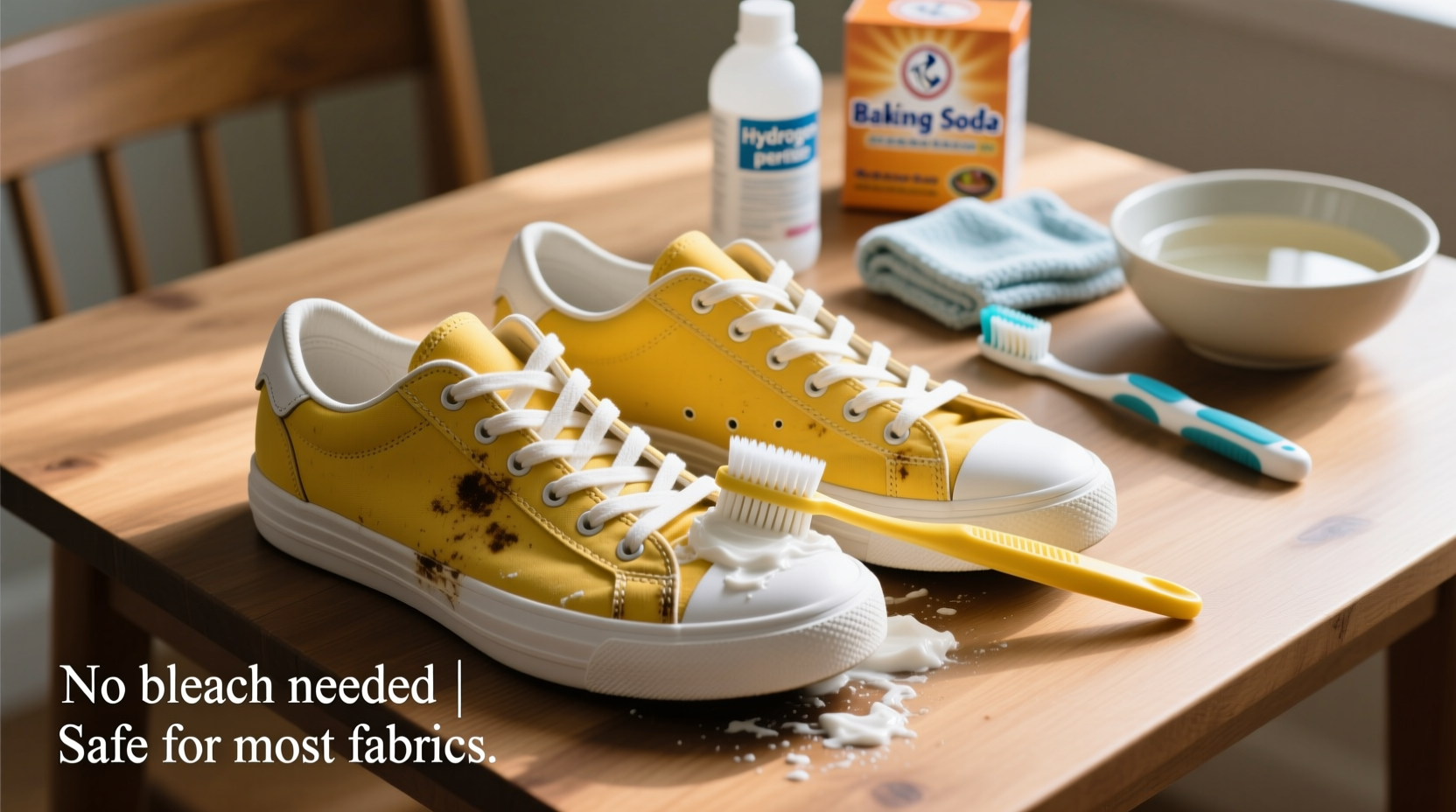
Understanding the cause of yellowing helps determine the best cleaning approach. Several factors contribute to this common issue:
- Oxidation: Rubber and foam soles break down when exposed to oxygen and UV light, leading to a yellow or brown tint.
- Sweat and Oils: Natural oils from feet and perspiration transfer into canvas and mesh uppers, creating stains that darken over time.
- Dirt Accumulation: Everyday wear collects grime that embeds into fibers, making whites look dingy.
- Improper Drying: Air-drying sneakers in direct sunlight accelerates oxidation, particularly on rubber parts.
- Residue Buildup: Old detergent or cleaning products left behind can react with moisture and heat, causing discoloration.
Cleaning with bleach may seem effective initially, but it breaks down textile fibers and accelerates oxidation in rubber, often making yellowing worse within weeks. That’s why gentle, non-toxic alternatives are not only safer—they’re more sustainable for long-term sneaker care.
Effective Household Ingredients for Cleaning
The following pantry staples are proven safe and effective for removing stains and yellowing without damaging your footwear:
| Ingredient | Benefits | Best For |
|---|---|---|
| Baking Soda | Mild abrasive, deodorizes, lifts stains | Canvas, mesh, rubber soles |
| White Vinegar | Natural disinfectant, dissolves mineral deposits | Insoles, odor removal, stain lifting |
| Dish Soap (e.g., Dawn) | Cuts through grease and oil | Stains from sweat, food, or environmental grime |
| Lemon Juice | Natural bleaching agent (with sunlight activation) | Stubborn yellowing on rubber or canvas |
| Hydrogen Peroxide (3%) | Gentle oxidizing cleaner, whitens naturally | Deep stains, mixed with baking soda for paste |
These ingredients work synergistically. For example, baking soda provides scrubbing power, while vinegar dissolves residue and neutralizes odors. When combined properly, they create powerful yet fabric-safe cleaning solutions.
“Using natural cleaners like baking soda and vinegar preserves sneaker integrity far better than chemical bleaches. They lift stains without breaking down adhesives or discoloring trim.” — Marcus Lin, Footwear Restoration Technician
Step-by-Step Guide to Clean Yellowed Sneakers
This comprehensive method uses common kitchen items to deep-clean both upper materials and rubber soles. Follow these steps carefully for best results.
- Remove Laces and Insoles: Take out laces and insoles to clean them separately. Soak laces in warm, soapy water. If insoles are removable, treat them with a mix of baking soda and vinegar to eliminate odor.
- Dry Brush First: Use a soft-bristle toothbrush or shoe brush to remove loose dirt from the surface. Focus on seams, grooves in the sole, and around eyelets.
- Prepare a Baking Soda & Dish Soap Paste: Mix 1 tablespoon of baking soda, 1 teaspoon of dish soap, and enough water to form a thick paste. This combination gently abrades stains while cutting through oily residues.
- Scrub the Upper and Midsole: Apply the paste with a toothbrush, working in circular motions. Pay special attention to yellowed areas near the toe box and collar. Avoid excessive scrubbing on delicate materials like suede or leather unless specified as safe.
- Clean the Outsole with Lemon & Sunlight (Optional): For heavily yellowed rubber soles, apply fresh lemon juice directly. Place the shoes sole-up in indirect sunlight for 1–2 hours. UV rays activate the citric acid, helping break down discoloration. Do not exceed 2 hours to prevent material degradation.
- Rinse Thoroughly: Wipe off all cleaning agents with a damp microfiber cloth. Never fully submerge sneakers in water—this can warp structure and loosen glue.
- Tackle Remaining Stains with Hydrogen Peroxide: If yellowing persists, mix equal parts hydrogen peroxide (3%) and water. Dip a cotton swab or cloth into the solution and dab onto stained areas. Let sit for 15 minutes before wiping clean.
- Air-Dry Properly: Stuff shoes with crumpled paper towels to maintain shape and absorb moisture. Dry at room temperature, away from heaters or direct sun. Avoid using hairdryers or radiators.
- Reassemble: Once completely dry (usually after 6–8 hours), reinsert insoles and relace with cleaned laces.
Real Example: Restoring a Pair of Canvas Vans
Jamie, a college student in Portland, had worn her white canvas Vans daily for six months. After winter hikes and rainy commutes, the toes were gray, the sides stained, and the rubber soles deeply yellowed. She tried wiping them with wipes, but saw no improvement. Following the baking soda and dish soap method, she spent 20 minutes scrubbing each shoe. She then applied lemon juice to the soles and placed them in filtered sunlight for 90 minutes. After rinsing and drying overnight, the transformation was striking—the canvas looked nearly new, and the soles had lost most of their yellow tint. “I couldn’t believe it was just stuff from my kitchen,” she said. “Now I clean them every few weeks to keep them fresh.”
Do’s and Don’ts of Cleaning White Sneakers
| Do’s | Don’ts |
|---|---|
| Use a soft brush to avoid scratching surfaces | Use bleach or ammonia-based cleaners |
| Test solutions on inconspicuous areas first | Soak shoes in water for extended periods |
| Let shoes air-dry at room temperature | Dry shoes near direct heat sources |
| Clean regularly to prevent deep-set stains | Wear same sneakers daily without airing out |
| Store in breathable shoe bags or boxes | Leave shoes in hot cars or damp closets |
Prevention is just as important as cleaning. Rotating between multiple pairs reduces wear and gives each time to air out. Using a waterproofing spray designed for fabric can also help repel dirt and moisture before stains set in.
Frequently Asked Questions
Can I use toothpaste to clean white sneakers?
Yes, non-gel, white toothpaste (especially older formulations with baking soda) can be used for spot cleaning. Apply with a toothbrush, scrub gently, then wipe clean. However, modern gel toothpastes may contain dyes or alcohol that can harm fabrics, so check the ingredients first.
How often should I clean my white sneakers?
For regular wear, aim to wipe down your sneakers weekly and perform a deeper clean every 3–4 weeks. If you notice visible dirt or odor, clean them sooner. Frequent maintenance prevents permanent staining and extends their lifespan.
Will lemon juice damage my sneakers?
Lemon juice is acidic and should be used sparingly and always rinsed off. Prolonged exposure or strong concentrations may degrade certain glues or synthetic materials. It's safest for rubber and canvas, but avoid using it on leather or suede.
Essential Checklist for Bleach-Free Sneaker Care
- Weekly Maintenance:
-
Wipe down uppers with damp cloth
Air out shoes overnight
Rotate with another pair - Monthly Deep Clean:
-
Remove laces and insoles
Dry brush to remove debris
Apply baking soda + dish soap paste
Scrub soles and stained areas
Use lemon or hydrogen peroxide on yellowed spots
Rinse and air-dry thoroughly - Storage Tips:
-
Store in cool, dry place
Use shoe trees or paper stuffing
Keep in breathable containers
Final Thoughts and Call to Action
Reviving yellowed white sneakers doesn’t require expensive products or risky chemicals. With everyday household items and a little patience, you can achieve impressive results safely and sustainably. The key is consistency—regular care prevents stains from setting and keeps your footwear looking crisp and clean. Whether you're refreshing an old favorite or maintaining a new pair, these methods empower you to take control of your sneaker hygiene without compromising material integrity.




 浙公网安备
33010002000092号
浙公网安备
33010002000092号 浙B2-20120091-4
Comments
No comments yet. Why don't you start the discussion?