
A capsule wardrobe isn’t about buying new minimalist clothing—it’s about curating fewer, better pieces that work together seamlessly. The most sustainable and cost-effective way to build one? Start with what you already have. Most closets contain overlooked staples buried under impulse buys or seasonal trends. By reassessing, organizing, and recombining existing garments, you can design a functional, stylish capsule wardrobe without spending a dollar.
This approach shifts the focus from consumption to curation. It reduces decision fatigue, streamlines morning routines, and promotes intentional dressing. More importantly, it encourages a deeper relationship with your clothing—knowing what you own, why you love it, and how to wear it well.
Why Start With What You Own?
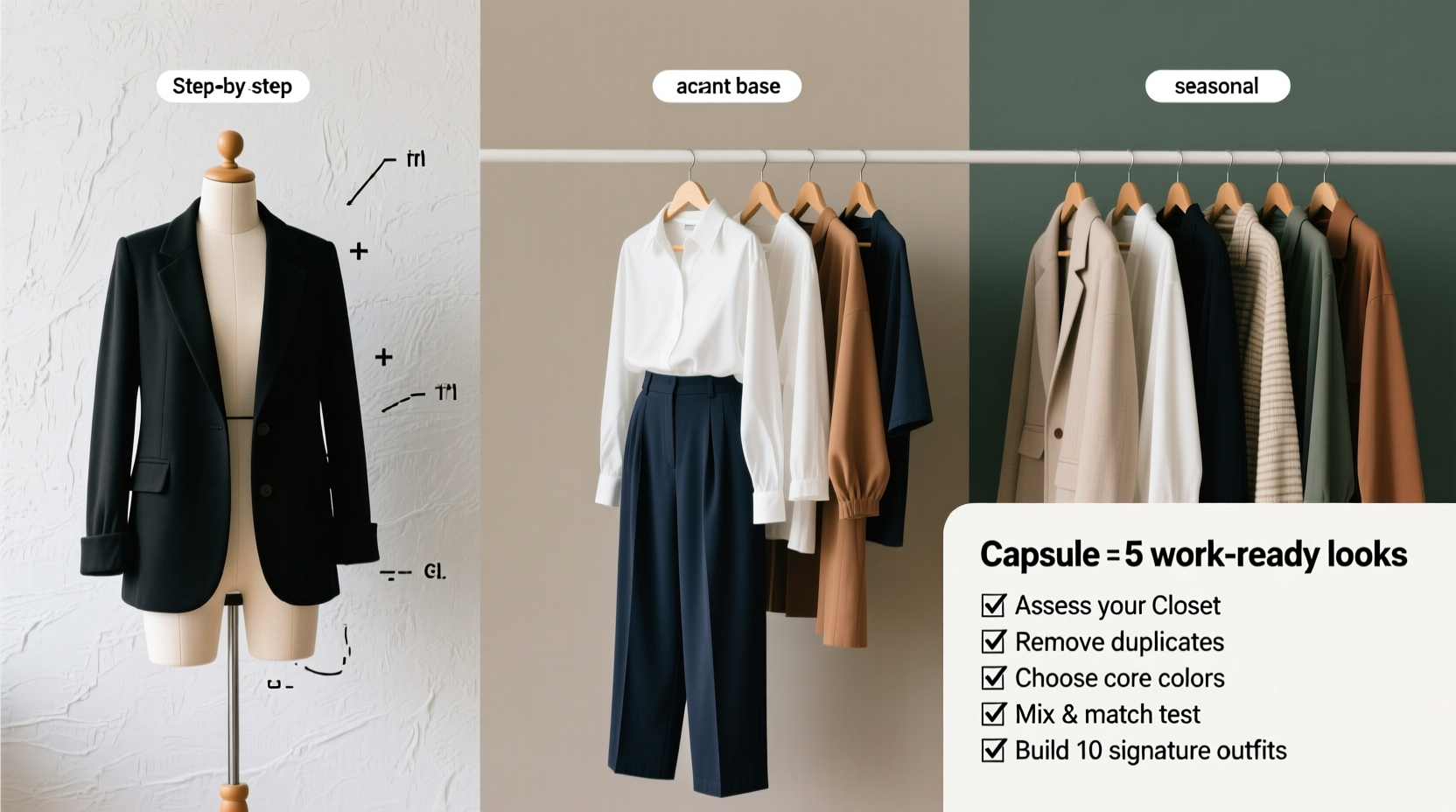
The foundation of any successful capsule wardrobe is clarity. Buying new items before evaluating your current collection often leads to redundancy: another black sweater, a third pair of dark jeans, or multiple blazers that don’t coordinate. Starting with your existing wardrobe forces honest reflection on fit, frequency of wear, and versatility.
According to sustainable fashion expert Elizabeth Teo, “Most people wear only 20% of their wardrobe 80% of the time. A capsule built from your most-worn pieces ensures relevance and realism.” This method also aligns with slow fashion principles—valuing longevity over novelty and reducing environmental impact by extending garment use.
Creating a capsule from existing clothes teaches resourcefulness. It challenges the assumption that style requires constant acquisition. Instead, it celebrates creativity within constraints—a skill that sharpens personal aesthetics and improves long-term shopping habits.
Step-by-Step Guide to Building Your Capsule
Follow this structured process to transform your closet into a streamlined, cohesive capsule wardrobe using only the clothes you currently own.
- Empty your closet completely. Remove every item of clothing, including shoes and outerwear. Lay them out where you can see everything at once—on your bed, floor, or across several hangers. This visual audit reveals patterns in color, style, and condition.
- Categorize by type. Sort items into groups: tops, bottoms, dresses, outerwear, knitwear, etc. Subdivide further if needed (e.g., short-sleeve vs. long-sleeve tops). This step helps identify imbalances—like owning ten t-shirts but only one pair of dress pants.
- Evaluate each piece objectively. Ask:
- Does it fit me well right now?
- Is it in good condition (no stains, holes, or excessive pilling)?
- Have I worn it in the past year?
- Can it be paired with at least three other items?
- Select your core neutrals. Identify base colors that appear most frequently and coordinate widely—black, navy, gray, beige, or white. These form the backbone of your capsule. Choose 2–4 neutral tones that complement your skin tone and lifestyle.
- Build around key anchors. Pick 3–5 versatile pieces you love and wear often—such as tailored trousers, a classic trench coat, or a well-fitting denim jacket. Build combinations around these anchors to maximize mix-and-match potential.
- Create mini-outfits. Physically pair tops with bottoms, layer jackets, and add shoes. Aim for at least 15–20 unique combinations using no more than 30–40 total items (including accessories).
- Store the rest. Place non-capsule items in labeled bins or another space. Reintroduce them seasonally only if they integrate seamlessly. Out of sight reduces temptation to revert to old habits.
Maximize Versatility: The Mix-and-Match Formula
A successful capsule wardrobe relies on interoperability. Every top should pair with multiple bottoms, and vice versa. To test compatibility, apply the “Rule of Three”: each item must combine with at least three others to form complete outfits.
For example, a white button-down shirt could work with:
- Black tailored pants + blazer (office)
- Denim jeans + loafers (casual)
- Olive chinos + cardigan (smart-casual)
To enhance coordination, adopt a consistent color palette. Stick to a primary neutral (e.g., charcoal gray), one accent shade (burgundy or olive), and subtle pattern variety (pinstripes, small checks). Avoid loud prints unless they contain your core colors.
| Item Type | Ideal Quantity | Versatility Tips |
|---|---|---|
| Tops | 8–12 | Choose crew necks, V-necks, and button-downs in neutral solids; vary sleeve length |
| Bottoms | 4–6 | Include one dressy, one casual, and one utility option (e.g., wool trousers, dark jeans, chinos) |
| Dresses/Jumpsuits | 2–3 | Pick shift or sheath styles that can be dressed up or down with layers |
| Outerwear | 2–3 | One lightweight (denim jacket), one mid-weight (trench), one warm (wool coat) |
| Shoes | 3–4 pairs | Neutral flats, ankle boots, sneakers, and heels in black or tan |
Limit accessories to five core items: a watch, simple necklace, leather belt, scarf, and handbag. These refine looks without complicating choices.
Real Example: Transforming a Cluttered Closet
Sarah, a 34-year-old project manager, owned 78 tops, 22 pairs of pants, and 14 jackets—but felt she had “nothing to wear.” After pulling everything out, she discovered that 60% hadn’t been worn in over a year. Many were ill-fitting, trendy pieces incompatible with her professional environment.
She began by identifying her most-worn outfit: a navy blazer, cream silk blouse, black trousers, and ballet flats. Using this as a template, she selected similar items in compatible colors. She kept only tops that paired with either her black trousers or dark jeans. Bottoms were retained only if they worked with at least two tops and one layering piece.
In the end, Sarah built a 32-piece capsule: 10 tops, 5 bottoms, 3 dresses, 4 outerwear items, and 10 accessories. She stored the remaining clothes in vacuum bags under her bed. Over the next six weeks, she wore her capsule exclusively and saved an average of 12 minutes per morning on outfit decisions. When she later reintroduced seasonal items, she did so selectively—only adding pieces that matched at least four capsule items.
“Building a capsule from your existing wardrobe is like editing a manuscript—you cut what doesn’t serve the story so the essential message shines.” — Lena Park, Wardrobe Strategist & Author of *Style Edit*
Common Pitfalls and How to Avoid Them
Even with the best intentions, common mistakes can derail a capsule wardrobe effort. Recognizing these early increases long-term success.
- Keeping items “just in case.” Sentimental attachment or hypothetical future needs inflate wardrobes. If you haven’t worn it in a year, it’s unlikely you’ll wear it consistently in a curated system.
- Overlooking fit issues. A slightly tight waistband or uneven hem disrupts comfort and confidence. Either tailor it or let it go—don’t compromise daily wear for a rare occasion.
- Ignoring lifestyle alignment. A capsule full of cocktail dresses won’t suit a remote worker. Match your selections to actual weekly activities: work, errands, exercise, social events.
- Forgetting layering needs. Climate matters. In cooler regions, include transitional pieces like merino sweaters or lightweight vests that bridge seasons without requiring full wardrobe swaps.
Checklist: Launch Your Capsule Wardrobe
Use this checklist to ensure a smooth transition:
- ☐ Remove all clothing from closet and drawers
- ☐ Sort items by category (tops, bottoms, outerwear, etc.)
- ☐ Discard or donate damaged, ill-fitting, or unworn items
- ☐ Identify 2–4 core neutral colors present in your wardrobe
- ☐ Select 3–5 anchor pieces you wear most often
- ☐ Test mix-and-match potential using the Rule of Three
- ☐ Limit total items to 30–40 (adjust based on climate/lifestyle)
- ☐ Store non-capsule items out of sight
- ☐ Organize capsule by outfit type or color for easy access
- ☐ Wear only capsule pieces for 21 days to reinforce habit
Frequently Asked Questions
Can I still wear seasonal clothes in a capsule?
Yes. Create rotating capsules based on weather. For example, store winter knits and coats during summer, then swap them in when temperatures drop. As long as seasonal items integrate with your core colors and silhouettes, they belong in your broader capsule system.
What if I need formal attire for special events?
Occasional-use items like evening gowns or suits can be kept separately and pulled out as needed. If worn less than four times a year, they don’t need to be part of your daily capsule. The goal is simplifying everyday choices—not eliminating rare-event options.
How do I avoid getting bored with the same clothes?
Boredom usually stems from repetition, not limited quantity. Refresh your look by re-layering, changing footwear, or adding statement accessories. Try styling a single dress three different ways—one day with sneakers, another with boots, another with a belt and blazer. Creativity thrives within limits.
Conclusion: Style Begins With What You Have
A capsule wardrobe built from existing clothes isn’t a temporary trend—it’s a lasting shift toward mindful consumption and authentic expression. It proves that style doesn’t require endless options, but rather thoughtful selection. By investing time in curation instead of consumption, you gain clarity, confidence, and freedom from clutter.
Your closet already holds the foundation of a powerful wardrobe. The missing piece wasn’t another jacket or pair of shoes—it was intention. Now that you know how to identify, organize, and combine what you own, the next step is action. Pull out your clothes, make your cuts, and build something that truly works for your life.




 浙公网安备
33010002000092号
浙公网安备
33010002000092号 浙B2-20120091-4
Comments
No comments yet. Why don't you start the discussion?