
There’s a quiet magic in the glow of old-fashioned Christmas lights—soft amber hues, slightly flickering filaments, and oversized bulbs that seem to hum with memory. In an age of sleek LEDs and programmable color sequences, a growing number of homeowners are turning back to retro-style lighting to recapture the warmth and simplicity of holidays past. Creating a nostalgic Christmas lighting display isn’t just about decoration; it’s about evoking emotion, tradition, and a sense of timeless charm.
Retro bulb styles—particularly those modeled after mid-20th-century incandescent designs—offer a distinctive aesthetic that modern alternatives often lack. With their exposed filaments, rounded shapes, and warm color temperatures, these lights can transform any space into a scene from a classic holiday film. Whether you're decorating a porch, wrapping a tree, or outlining your roofline, the right approach can make all the difference.
Understanding Retro Christmas Bulb Styles
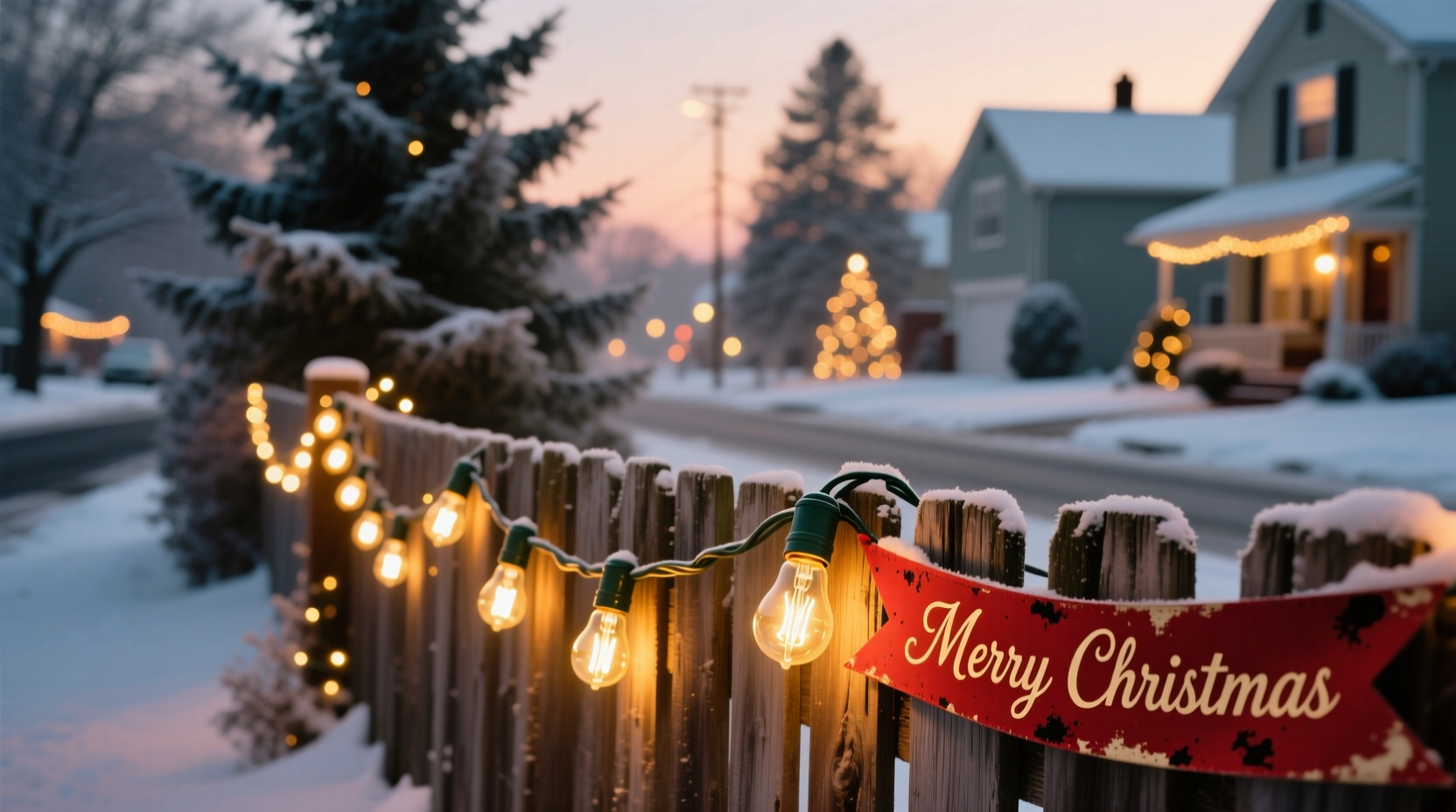
The term “retro bulb” typically refers to light bulbs designed to mimic the look of vintage incandescents used in home and holiday lighting from the 1940s through the 1970s. These include:
- C7 and C9 bulbs: Larger than standard mini-lights, these were once the standard for outdoor displays. C7s are about 1.5 inches long; C9s reach up to 2.25 inches.
- Edison-style filament bulbs: Featuring visible tungsten coils, often in clear glass, these emit a soft, flicker-like glow reminiscent of early electric lighting.
- Antique-finish sockets and cords: Some retro sets come with brown or fabric-wrapped wiring and brass-toned sockets to enhance authenticity.
- Warm white and soft amber tints: Unlike cool white or multicolor LEDs, retro displays favor low-color-temperature lighting that mimics candlelight.
Modern retro bulbs are often LED-based but engineered to replicate the visual qualities of older technology while offering energy efficiency and durability. This blend of old-world charm and new-world practicality makes them ideal for nostalgic lighting projects.
“People don’t just want bright lights—they want feeling. The right retro bulb doesn’t illuminate a house; it warms a memory.” — Daniel Reeves, Lighting Historian and Curator at the American Holiday Lighting Archive
Step-by-Step Guide to Building Your Nostalgic Display
Creating an authentic retro lighting display requires more than just buying vintage-looking bulbs. It involves thoughtful planning, attention to detail, and a respect for historical design principles. Follow this sequence to craft a display that feels both intentional and heartfelt.
- Assess your space and focal points: Walk around your home during dusk. Identify architectural features—eaves, railings, windows, trees—that would benefit from accent lighting. Classic retro displays emphasize symmetry and balance.
- Choose your bulb type and scale: For large homes or expansive porches, C9 bulbs provide bold visibility. Smaller cottages or indoor trees suit C7s or even miniature Edison-style sets.
- Select warm-toned lighting only: Avoid pure white or blue-tinted bulbs. Opt for 2200K–2700K color temperature, which closely matches the glow of traditional incandescents.
- Use consistent spacing: Space bulbs evenly—typically 6 to 12 inches apart on strands. Irregular gaps break the illusion of a cohesive, curated display.
- Incorporate vintage-inspired fixtures: Use metal clips instead of plastic ties, and consider period-appropriate extension cords with cloth insulation for visible runs.
- Add complementary elements: Pair your lights with simple red bows, wooden signs, or hand-blown glass ornaments to deepen the nostalgic effect.
- Test before final installation: Plug in each strand individually to check for flickering, dim sections, or faulty connections.
Do’s and Don’ts of Retro Lighting Design
To maintain authenticity and avoid common pitfalls, refer to the following comparison table when planning your setup.
| Do | Don’t |
|---|---|
| Use warm white or amber-tinted bulbs | Mix cool white or RGB LEDs in the same display |
| Maintain uniform bulb size and shape across strands | Combine C7 and C9 bulbs haphazardly |
| Prioritize symmetry and clean lines | Overload eaves or wrap too tightly around railings |
| Use timers to maintain a consistent nightly schedule | Leave lights on 24/7, risking overheating and reduced lifespan |
| Store carefully in original spools or compartmentalized boxes | Toss strands loosely into a bin, causing tangles and broken sockets |
A Real-Life Example: The Miller Family Porch Revival
In Highland Park, Illinois, the Miller family spent three years restoring their 1920s bungalow to its original character. As part of the effort, they wanted their Christmas lighting to reflect the home’s era. They researched catalogs from the 1950s and discovered that many homes of that time used staggered rows of C7 bulbs along rooflines and porch columns.
They sourced reproduction C7 strings with amber-tinted glass and cloth-covered wire, then installed them in horizontal bands across the gables and vertical lines down each porch post. To complete the look, they added a single strand of five large star-shaped bulbs above the front door—a nod to mid-century department store window displays.
The result was subtle yet striking. Neighbors began referring to it as “the Norma Rae house,” after the film’s iconic porch-lighting scene. More importantly, the Millers noticed their children started associating the lights with family stories—like how Grandma used to hang her decorations with clothespins on a string.
“It’s not just about looking old-fashioned,” said Sarah Miller. “It’s about giving our kids something tactile and real to remember. The lights feel like they belong here.”
Essential Checklist for Your Retro Lighting Project
Before you begin installation, run through this checklist to ensure a smooth and successful setup:
- ☐ Measure all areas to be lit (roofline, trees, railings) to determine total linear footage needed
- ☐ Purchase retro-style C7 or C9 LED strings in warm white or amber
- ☐ Acquire weather-resistant extension cords rated for outdoor use
- ☐ Buy vintage-style clips or hooks to secure strands without damaging surfaces
- ☐ Test all light strands for functionality and color consistency
- ☐ Install a heavy-duty outdoor timer (preferably with photocell sensor)
- ☐ Plan storage method for off-season (original boxes or labeled bins)
- ☐ Take a photo of the final display for reference next year
Frequently Asked Questions
Are retro-style bulbs safe for outdoor use?
Yes, most modern retro-style Christmas lights are UL-listed for outdoor use. However, always check packaging for ratings. Look for terms like “for indoor/outdoor use” and “weather-resistant.” Even with durable bulbs, avoid submerging sockets or leaving connections exposed to standing water.
Can I mix vintage-style bulbs with my existing LED mini-lights?
You can, but proceed with caution. Mixing bulb types can disrupt the cohesive aesthetic of a nostalgic display. If you must combine, use them in separate zones (e.g., retro bulbs on the exterior, mini-lights on the indoor tree). Ensure all lights operate on compatible voltages and avoid overloading circuits.
How long do retro-style LED bulbs last compared to old incandescents?
Traditional incandescent Christmas bulbs lasted about 1,000–2,000 hours. Modern retro-style LEDs typically last 25,000 to 50,000 hours—equivalent to 10–20 holiday seasons if used six hours per night. They also consume up to 90% less energy and generate minimal heat, reducing fire risk.
Final Thoughts: Light with Intention
A nostalgic Christmas lighting display is more than decoration—it’s storytelling through illumination. By choosing retro bulb styles, you’re not merely installing lights; you’re inviting warmth, continuity, and a sense of belonging into your home. The gentle glow of an Edison-style filament or the steady rhythm of evenly spaced C9s can transport viewers across decades, conjuring memories they may not have even lived.
As you plan your display, think beyond brightness and coverage. Consider mood, memory, and meaning. Let the lights reflect not just your home, but your values—tradition, craftsmanship, and the quiet joy of seasonal ritual.




 浙公网安备
33010002000092号
浙公网安备
33010002000092号 浙B2-20120091-4
Comments
No comments yet. Why don't you start the discussion?