
Sleep is not a luxury—it’s a biological necessity. Yet millions struggle to fall asleep or stay asleep due to stress, poor habits, and inconsistent routines. One of the most effective ways to improve sleep quality is by establishing a deliberate, calming bedtime ritual. Unlike quick fixes or sleep aids, a well-designed ritual works with your body’s natural circadian rhythm, signaling that it’s time to wind down and prepare for deep, restorative rest. The benefits go beyond just feeling more rested; consistent, high-quality sleep enhances mood, sharpens focus, strengthens immunity, and supports long-term brain health.
A bedtime ritual isn’t about rigid rules or complicated routines. It’s about creating a series of intentional, soothing actions that transition your mind and body from the activity of the day into a state of calm readiness for sleep. When practiced consistently, these rituals condition your nervous system to recognize cues for relaxation, making it easier to drift off and stay asleep through the night.
The Science Behind Sleep Rituals
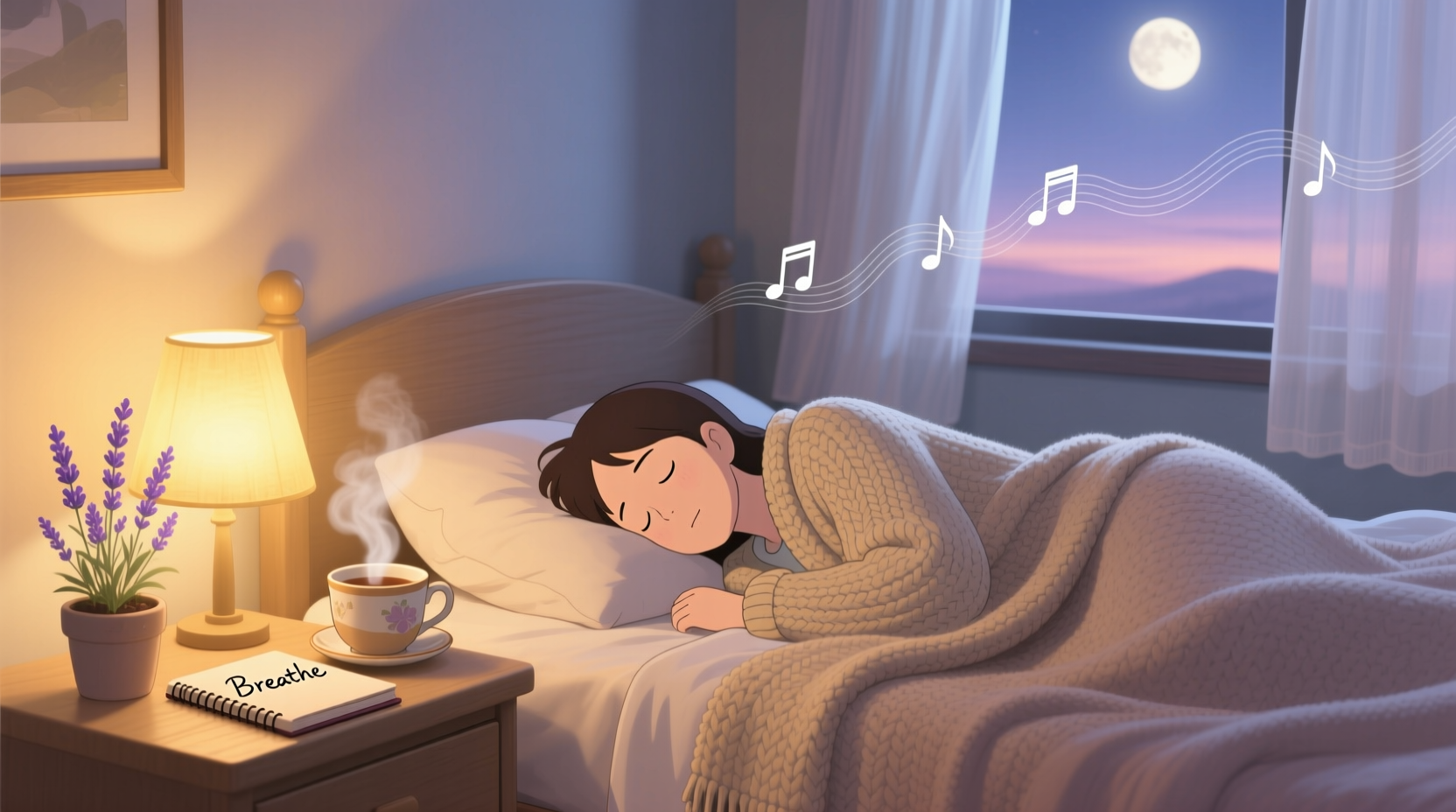
Your body runs on a 24-hour internal clock known as the circadian rhythm. This cycle regulates when you feel alert and when you feel sleepy, largely influenced by light exposure, meal timing, and behavioral patterns. A bedtime ritual reinforces this rhythm by providing predictable signals—like dimming lights, lowering noise, and engaging in calming activities—that tell your brain it’s time to reduce cortisol (the stress hormone) and increase melatonin (the sleep hormone).
Research from the National Sleep Foundation shows that people who follow a consistent pre-sleep routine report falling asleep faster and experiencing fewer nighttime awakenings. These rituals help reduce cognitive arousal—the racing thoughts and mental overactivity that often prevent sleep. Over time, the brain begins to associate specific behaviors with sleep onset, much like how a Pavlovian response works.
Neurologically, winding down through repetitive, low-stimulus activities activates the parasympathetic nervous system, which governs rest and digestion. This counters the “fight-or-flight” mode driven by the sympathetic system, allowing heart rate, breathing, and muscle tension to decrease naturally.
“Consistency is the cornerstone of good sleep hygiene. A nightly ritual doesn’t have to be elaborate—just predictable. The brain thrives on routine, and even small cues can powerfully influence sleep quality.” — Dr. Lena Patel, Sleep Neurologist at Boston Sleep Institute
Step-by-Step Guide to Building Your Bedtime Ritual
Creating an effective bedtime ritual involves more than just brushing your teeth and turning off the lights. It requires thoughtful planning and personalization. Follow this six-step process to design a ritual that fits your lifestyle and promotes deeper sleep.
- Set a fixed bedtime and wake-up time – Choose a bedtime that allows for 7–9 hours of sleep and stick to it every day, even on weekends. Consistency strengthens your circadian rhythm.
- Begin winding down 60–90 minutes before bed – This is your transition window. Avoid stimulating activities like intense exercise, work emails, or heated conversations.
- Dim the lights and reduce screen exposure – Bright lights, especially blue light from phones and computers, suppress melatonin. Use warm-toned lighting and enable night mode on devices if needed.
- Engage in calming activities – Choose one or two relaxing practices such as reading a physical book, journaling, gentle stretching, or listening to soft music.
- Practice mindful breathing or meditation – Spend 5–10 minutes focusing on slow, deep breaths or guided visualization to quiet the mind.
- Prepare your sleep environment – Ensure your bedroom is cool (60–67°F), quiet, and dark. Consider using blackout curtains, a white noise machine, or an essential oil diffuser with lavender.
What to Include (and Exclude) in Your Routine
Not all evening habits support sleep. Some may seem relaxing but actually disrupt your ability to fall or stay asleep. The following table outlines common bedtime activities and whether they belong in a healthy sleep ritual.
| Activity | Recommended? | Why? |
|---|---|---|
| Reading a physical book | ✅ Yes | Low sensory input; helps shift focus away from daily stress. |
| Using smartphones or tablets | ❌ No | Blue light suppresses melatonin; content can be mentally stimulating. |
| Drinking herbal tea (e.g., chamomile, passionflower) | ✅ Yes | Natural compounds may promote relaxation (avoid caffeine-containing teas). |
| Eating a heavy meal | ❌ No | Digestion raises body temperature and can cause discomfort. |
| Gentle yoga or stretching | ✅ Yes | Releases muscle tension and calms the nervous system. |
| Watching intense TV shows or news | ❌ No | Emotionally charged content increases alertness and anxiety. |
| Jotting down worries in a journal | ✅ Yes | Helps “download” racing thoughts and reduces bedtime rumination. |
Avoid Common Pitfalls
Even with good intentions, many people unknowingly sabotage their sleep rituals. Common mistakes include:
- Waiting until you’re exhausted – By then, your body may be overtired, making it harder to settle.
- Consuming caffeine or alcohol late in the day – Caffeine can linger in your system for up to 10 hours; alcohol may help you fall asleep but disrupts REM cycles.
- Using the bed for non-sleep activities – Working, eating, or watching TV in bed weakens the mental association between your bed and sleep.
- Overcomplicating the ritual – More steps don’t mean better results. Focus on consistency, not complexity.
Real-Life Example: How Sarah Transformed Her Sleep
Sarah, a 34-year-old project manager, used to lie awake for hours despite being exhausted. She worked late, scrolled through her phone in bed, and often woke up multiple times during the night. After learning about sleep rituals, she decided to make changes.
She started by setting a fixed bedtime of 10:30 PM and began her wind-down routine at 9:00 PM. She turned off her laptop by 8:45 PM, brewed a cup of chamomile tea, and spent 20 minutes journaling—writing down both her accomplishments and any lingering concerns. Then, she did five minutes of diaphragmatic breathing and read a novel under soft lamplight. She kept her phone in another room and used a traditional alarm clock.
Within two weeks, Sarah noticed she was falling asleep within 15 minutes. After a month, she rarely woke up during the night and felt more alert in the mornings. Her productivity improved, and she reported lower stress levels overall. The key, she said, wasn’t perfection—but consistency.
“I didn’t realize how much my phone was keeping me wired. Just removing that one thing, and replacing it with journaling, changed everything.” — Sarah M., Marketing Professional
Essential Checklist for Your Bedtime Ritual
Use this checklist nightly to ensure your routine supports optimal sleep. Print it out or keep it on your phone (but avoid checking it in bed).
- ✅ Turn off electronic devices at least 60 minutes before bed
- ✅ Dim overhead lights; use lamps with warm bulbs
- ✅ Sip a caffeine-free herbal tea (e.g., valerian root, lemon balm)
- ✅ Write down tomorrow’s top 3 priorities to clear mental clutter
- ✅ Do 5–10 minutes of gentle stretching or restorative yoga poses
- ✅ Practice deep breathing: inhale for 4 counts, hold for 4, exhale for 6
- ✅ Read a physical book (fiction or poetry recommended)
- ✅ Set bedroom temperature between 60–67°F (15–19°C)
- ✅ Use earplugs, eye mask, or white noise if needed
- ✅ Get into bed only when sleepy, not just tired
Frequently Asked Questions
How long should a bedtime ritual take?
An effective ritual typically lasts 30 to 90 minutes. The goal is to allow enough time for your nervous system to shift from active to relaxed. Shorter routines may not provide sufficient wind-down time, while excessively long ones can become burdensome.
Can I still watch TV as part of my routine?
If you choose to watch TV, do so earlier in the evening and avoid emotionally intense or fast-paced content. Keep the volume low and the lighting dim. However, reading, journaling, or meditating are generally more effective for promoting sleep onset.
What if I don’t feel sleepy even after following the ritual?
It’s normal for sleepiness to take time to develop. If you’re not drowsy after 20 minutes in bed, get up and do a quiet activity in another room—like reading under soft light—until you feel ready. Avoid bright lights or screens. Return to bed only when sleepy.
Conclusion: Make Sleep a Priority, Not an Afterthought
Deep, restful sleep doesn’t happen by accident. It’s cultivated through intention, consistency, and self-awareness. A personalized bedtime ritual is one of the most powerful tools you can use to reclaim your nights and transform your days. You don’t need expensive supplements or complex techniques—just a few simple, repeatable actions done with purpose.
Start tonight. Choose one or two elements from the checklist—perhaps turning off your phone earlier and doing five minutes of breathing. Build from there. Within weeks, you’ll likely notice not just better sleep, but improved energy, mood, and resilience. Sleep is the foundation of well-being. Treat it with the care it deserves.




 浙公网安备
33010002000092号
浙公网安备
33010002000092号 浙B2-20120091-4
Comments
No comments yet. Why don't you start the discussion?