
A blender is one of the most-used appliances in modern kitchens, essential for smoothies, soups, sauces, and more. But after repeated use, especially with fibrous or sticky ingredients like bananas, peanut butter, or frozen fruit, residue can cling stubbornly to the blades and sides of the jar. Left uncleaned, this buildup not only affects performance but can also harbor bacteria and cause unpleasant odors. The good news? You don’t need harsh chemicals or 20-minute scrubbing sessions. With the right method, you can deep clean a blender jar—no disassembly required—in under five minutes.
The Science Behind Stuck-On Blender Residue
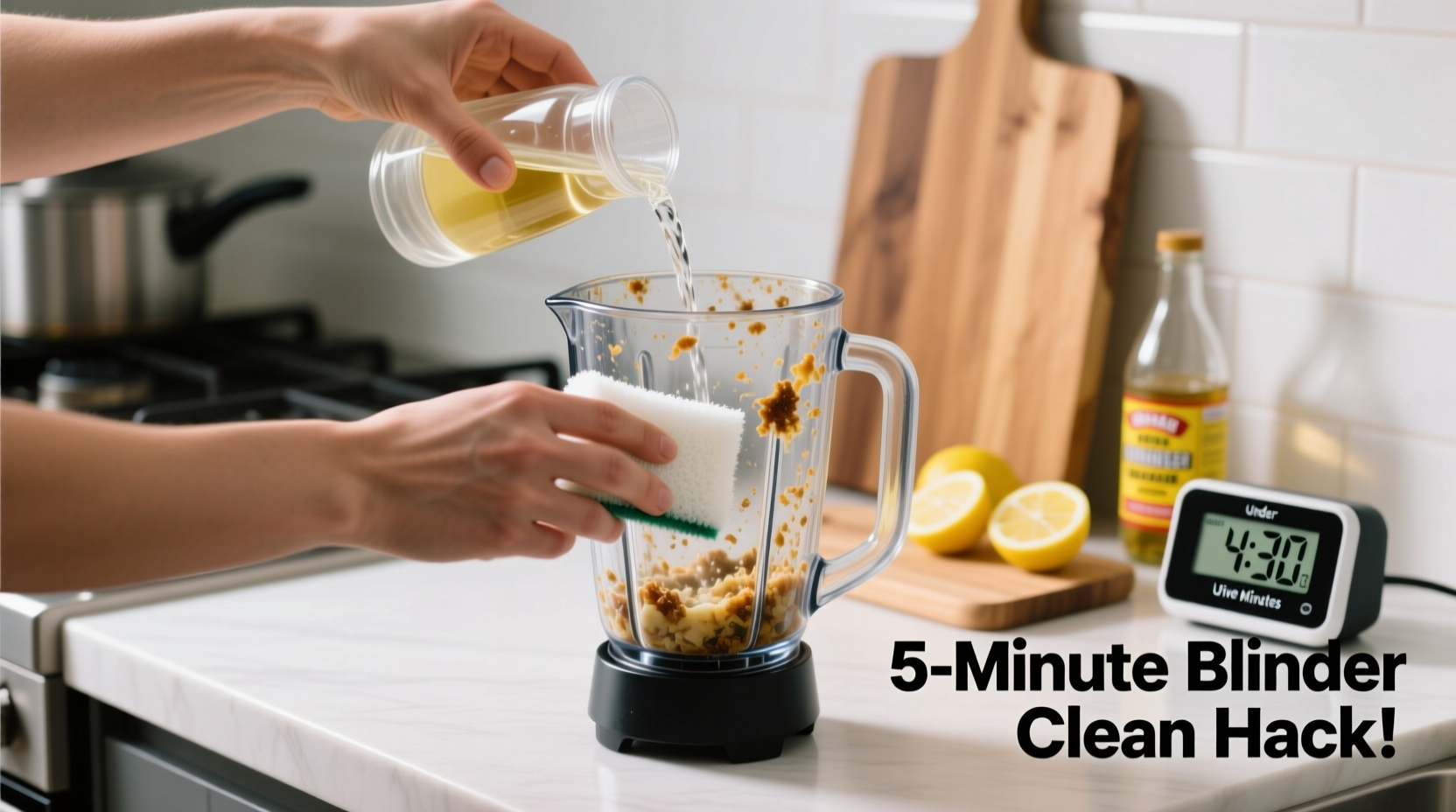
Blender jars are designed to break down food at high speeds, but that same force can push particles into microscopic grooves in plastic or glass, or trap them beneath the blade assembly. Ingredients rich in starch, fat, or fiber—such as oats, avocado, or root vegetables—are particularly prone to clinging. Over time, these residues oxidize and harden, making them harder to remove with water alone.
Additionally, many people avoid submerging the base of the blender due to electrical components, which limits cleaning access. This makes internal cleaning methods crucial. The key to quick, effective cleaning lies in combining mechanical action (from blending), heat, and mild abrasives or degreasers—all achievable without dismantling the unit.
“Efficient cleaning isn’t about scrubbing harder—it’s about leveraging physics and chemistry to do the work for you.” — Dr. Lena Torres, Food Safety and Appliance Hygiene Researcher, University of Illinois
Step-by-Step: The 5-Minute Deep Clean Method
This method uses ingredients commonly found in your kitchen and requires no special tools. It works on both glass and BPA-free plastic jars and is safe for all major blender brands, including Vitamix, Ninja, and KitchenAid.
- Add warm water to halfway: Fill the blender jar with warm (not boiling) water up to the 3–4 cup mark. Warm water helps loosen fats and softens dried particles.
- Add one drop of dish soap: A single drop of liquid dish detergent is enough. More than this can create excessive suds, which may leak from the seal during blending.
- Add two tablespoons of white vinegar: Vinegar acts as a natural degreaser and deodorizer. Its acidity breaks down protein and mineral deposits without damaging surfaces.
- Add one tablespoon of baking soda: When combined with vinegar, baking soda creates a gentle effervescence that lifts stuck-on grime. It also neutralizes odors.
- Blend for 30–60 seconds: Secure the lid tightly and run the blender on medium-high speed. The spinning action forces the cleaning solution between the blades and along the walls, dislodging debris.
- Rinse thoroughly: Pour out the soapy mixture and rinse the jar under running water. Use a soft sponge or brush to wipe away any remaining particles if needed.
- Wipe the exterior and base: While the jar dries, wipe the outside of the jar and the motor base with a damp cloth to prevent dust and splatter buildup.
Alternative Methods for Specific Scenarios
Not every situation calls for the same approach. Depending on what’s stuck in your blender and how long it’s been there, different combinations yield better results.
For Greasy or Oily Residue (e.g., nut butters, dressings)
Oils can coat the interior surface and attract dust and food particles over time. Dish soap alone may not cut through thick grease.
- Replace vinegar with one tablespoon of lemon juice—its citric acid is excellent at cutting oil.
- Add a half-cup of uncooked rice to the warm, soapy water. The grains act as tiny scrubbers when blended.
- Blend for 45 seconds, then rinse. The rice will absorb grease and polish the surface.
For Burnt or Charred Food (e.g., overheated soup or sauce)
If you’ve accidentally overheated contents in a self-heating blender, carbonized particles may bond to the glass or blade shaft.
- Fill the jar with hot water and two tablespoons of baking soda.
- Microwave the mixture (if jar is microwave-safe) for 2 minutes to loosen char.
- Blend with one drop of dish soap for 30 seconds, then rinse.
For Odor Removal (e.g., garlic, onion, fish sauce)
Even after cleaning, blenders can retain strong smells due to porous plastic or trapped particles under the blade.
- Blend equal parts water and lemon juice (½ cup each) for 1 minute.
- Alternatively, add orange peels and a splash of vinegar, blend for 30 seconds, then let sit for 5 minutes before rinsing.
Do’s and Don’ts of Blender Cleaning
| Do’s | Don’ts |
|---|---|
| Use warm, not boiling, water to avoid warping plastic or cracking glass. | Never submerge the motor base or electrical components in water. |
| Clean immediately after use when residue is still soft. | Don’t leave blended mixtures sitting in the jar for hours—this hardens faster. |
| Use natural cleaners like vinegar, baking soda, or lemon juice. | Don’t use bleach unless specified by the manufacturer—it can degrade rubber seals. |
| Check the blade gasket monthly for trapped debris. | Don’t ignore the rubber seal under the blade—it’s a common bacterial hotspot. |
| Run a quick rinse-and-blend cycle after every use. | Don’t skip drying the jar upside down to prevent mold growth in the base. |
Real-Life Example: Sarah’s Smoothie Routine Rescue
Sarah, a busy mom of two in Portland, used her blender daily for morning smoothies packed with spinach, banana, chia seeds, and almond butter. After a few weeks, she noticed a brownish film forming around the blades and a lingering rancid smell—even after rinsing. She tried scrubbing with a bottle brush, but couldn’t reach under the blade assembly.
After discovering the vinegar-baking soda method online, she filled the jar with warm water, added the ingredients, and blended for 45 seconds. To her surprise, the dark residue lifted instantly. She rinsed and dried the jar, then ran a lemon-water blend to eliminate odor. Now, she performs this quick clean every evening after dinner, taking less than five minutes. “It’s transformed how I feel about using my blender,” she said. “No more guilt about skipping cleanup.”
Expert-Approved Checklist for Long-Term Blender Care
To keep your blender jar consistently clean and extend its lifespan, follow this weekly maintenance checklist:
- ✅ Rinse the jar immediately after each use with warm water and a drop of soap.
- ✅ Perform a deep clean using the vinegar-baking soda method at least once per week.
- ✅ Inspect the rubber gasket under the blade for trapped food weekly—remove and wash if necessary.
- ✅ Dry the jar upside down on a rack to prevent moisture pooling at the base.
- ✅ Avoid blending extremely hot liquids unless your model is rated for it—thermal shock can damage the jar.
- ✅ Replace the blade assembly every 12–18 months if performance declines or cleaning becomes difficult.
“Preventive cleaning is far more effective than trying to fix a neglected blender. Five minutes a day saves hours of scrubbing later.” — Carlos Mendez, Appliance Technician & Repair Specialist
Frequently Asked Questions
Can I put my blender jar in the dishwasher?
Most blender jars and lids are dishwasher-safe, especially those made of glass or high-grade plastic. However, the blade assembly often contains rubber seals that degrade over time with high heat. Always check your user manual. If in doubt, hand-wash the blade base and place only the jar and lid on the top rack.
Why does my blender still smell bad after cleaning?
Odors usually originate from trapped food particles beneath the blade or within the rubber gasket. Try removing the blade ring (if detachable) and soaking it in a vinegar-water solution for 10 minutes. Also, blend a mixture of baking soda and lemon juice once a week to neutralize lingering smells.
Is it safe to use vinegar and baking soda together in a blender?
Yes, when used in small amounts as described, the reaction is mild and contained within the liquid. The fizzing action helps lift debris. Just ensure the lid is secure before blending to prevent spills. Avoid using full-strength undiluted vinegar regularly, as prolonged exposure may affect plastic over time.
Final Thoughts: Make Cleaning Effortless, Not Optional
A dirty blender doesn’t just look unappealing—it compromises hygiene, flavor, and appliance longevity. The misconception that deep cleaning requires time-consuming disassembly keeps many people from maintaining their blenders properly. But as demonstrated, a targeted combination of simple ingredients and the blender’s own power can deliver a thorough clean in under five minutes.
The trick is consistency. Incorporate a quick post-use rinse and a weekly deep clean into your routine, and you’ll never face the dreaded crusty, smelly jar again. These small actions preserve performance, prevent cross-contamination, and ensure every smoothie tastes fresh—not like yesterday’s leftovers.




 浙公网安备
33010002000092号
浙公网安备
33010002000092号 浙B2-20120091-4
Comments
No comments yet. Why don't you start the discussion?