
Your car keychain may seem like a minor accessory, but it plays a crucial role in your daily routine. Beyond holding your keys, it often reflects your personality, serves as a reminder of memorable experiences, or even houses smart technology. Yet, constant use, exposure to the elements, and rough handling can wear it down quickly. A frayed strap, cracked fob casing, or faded engraving doesn’t just look unprofessional—it can lead to costly replacements or security risks. Fortunately, with mindful care and a few strategic habits, you can significantly extend the life of your keychain while keeping it stylish and functional.
Understand Your Keychain’s Materials and Weaknesses
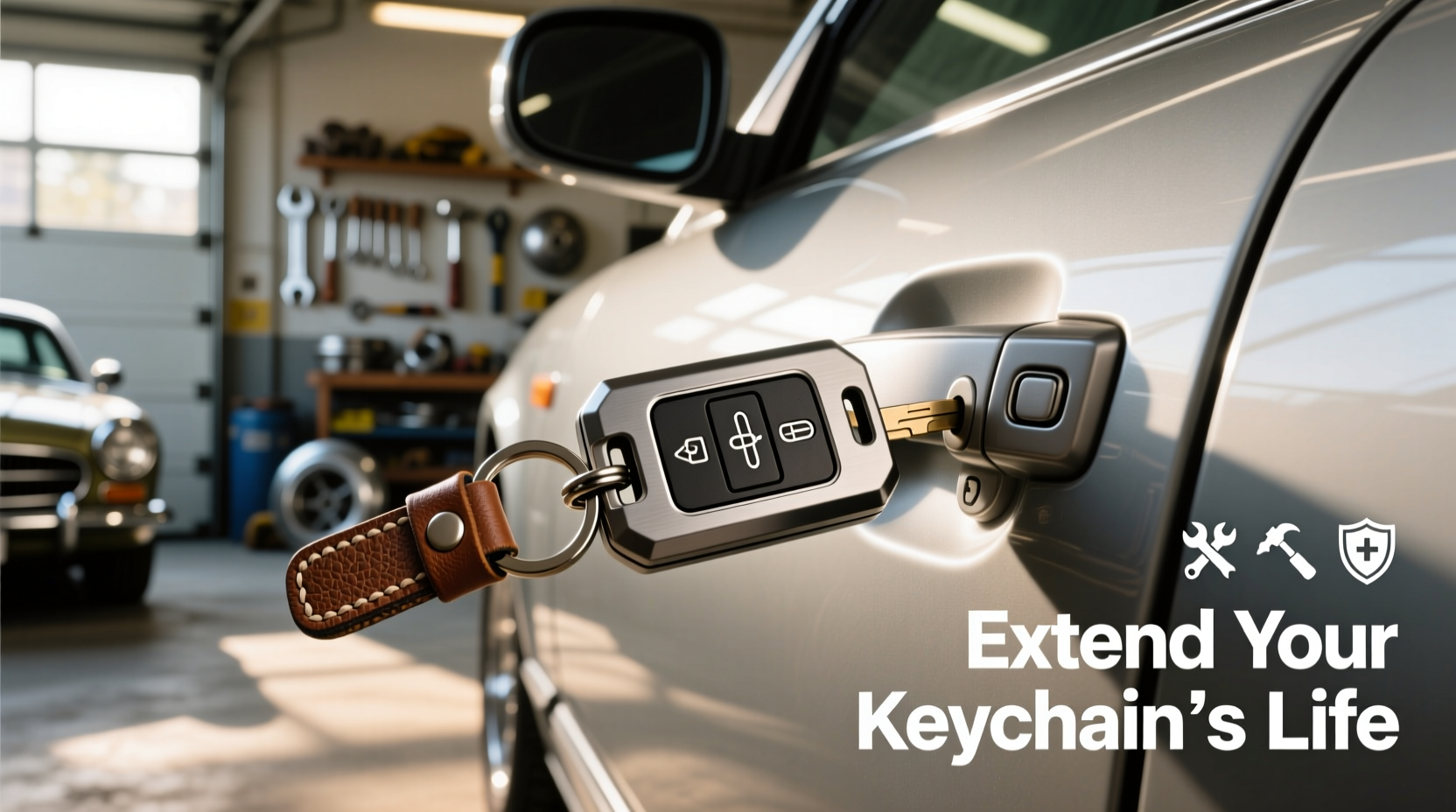
Not all keychains are created equal. The longevity of yours depends largely on what it's made from. Common materials include metal, leather, silicone, plastic, rubber, nylon, and fabric. Each has its own vulnerabilities:
- Metal: Durable but prone to scratches and tarnishing when exposed to moisture or salt.
- Leather: Ages beautifully but dries out and cracks if not conditioned.
- Silicone/Rubber: Resistant to water and impact but can degrade under prolonged UV exposure.
- Nylon/Fabric: Lightweight and flexible but susceptible to fraying and staining.
- Plastic: Often used in key fobs; brittle over time, especially in extreme temperatures.
Knowing your keychain’s composition allows you to tailor your maintenance approach. For example, a leather key fob pull requires conditioning, while a silicone tag only needs occasional cleaning.
Protect Against Daily Wear and Environmental Damage
Keychains live a hard life: jostling in pockets, bouncing in bags, and enduring temperature swings. These conditions accelerate wear. Simple preventive measures can make a big difference.
Avoid Overloading
Attaching too many keys, bottle openers, or novelty tags increases stress on rings and attachments. This leads to bent keyrings, broken split rings, or torn lanyards. Limit your keychain to essential items only.
Shield From Moisture and Chemicals
Water, sweat, and hand sanitizer can corrode metal, stain fabric, and degrade adhesives. Wipe your keychain dry after exposure and avoid leaving it in damp environments like gym bags or near swimming pools.
Minimize Sun Exposure
UV rays fade colors and weaken polymers. Leaving your keychain on a sunlit dashboard can warp plastic components and crack rubber seals. Store it in a shaded pocket or glove compartment when possible.
“Most key fob failures begin with environmental stress—especially heat and moisture. Simple protection goes a long way.” — Daniel Ruiz, Automotive Electronics Technician with 15 years of experience
Step-by-Step Guide to Monthly Keychain Maintenance
Just like your car, your keychain benefits from routine care. Follow this monthly checklist to keep it in top condition:
- Remove all attachments: Take off keys and accessories to inspect each component.
- Clean the surface: Use a soft cloth dampened with mild soapy water (or isopropyl alcohol for plastic/metal). Avoid soaking fabric or leather.
- Dry thoroughly: Air-dry for at least 30 minutes, especially around seams and electronic parts.
- Inspect for damage: Look for fraying, cracks, loose screws, or battery swelling (in smart fobs).
- Lubricate moving parts: Apply a tiny drop of silicone-based lubricant to keyring joints or folding mechanisms.
- Condition leather (if applicable): Use a small amount of leather conditioner to prevent drying and cracking.
- Reassemble carefully: Ensure split rings are fully closed and keys are secured.
Smart Storage Solutions for Long-Term Preservation
Where you store your keychain when not in use impacts its lifespan. Tossing it on a cluttered countertop or leaving it in a humid bathroom invites unnecessary wear.
| Storage Method | Benefits | Risks to Avoid |
|---|---|---|
| Dedicated key hook or tray | Reduces scratches, keeps keys organized | Place away from direct sunlight and moisture sources |
| Soft pouch or case | Protects against abrasion and drops | Avoid sealed plastic bags that trap moisture |
| Drawer with felt lining | Prevents noise and metal-on-metal contact | Ensure drawer isn’t damp or near cleaning chemicals |
| Magnetic key holder | Space-saving and secure | Keep away from electronic devices and pacemakers |
For backup or rarely used keychains, consider storing them in a small breathable fabric pouch inside a cool, dry cabinet. This prevents dust buildup and oxidation without trapping humidity.
Real Example: How One Driver Doubled His Key Fob’s Lifespan
Mark, a delivery driver in Portland, used his key fob over 20 times a day. Within a year, most of his colleagues had replaced theirs due to cracked casings or failed buttons. Mark’s, however, remained fully functional after two and a half years. His secret?
He wrapped the fob in a thin silicone sleeve he bought online ($6), wiped it weekly with a disinfectant cloth, and kept a spare battery on hand. He also removed unnecessary keys and stored the chain on a wall-mounted hook at home—never tossing it into a pile of gear. When asked, he said, “It takes 30 seconds a week. But I’ve saved money and never been locked out.”
This real-world case shows that consistency, not complexity, drives durability.
Upgrade Wisely: Choosing Durable and Stylish Replacements
Sometimes, prevention isn’t enough. If your keychain is already damaged, upgrading to a more resilient design makes sense. Prioritize function and build quality without sacrificing aesthetics.
- Stainless steel keyrings resist bending and corrosion better than standard chrome.
- Braided nylon or ballistic fabric straps offer strength and come in modern colors.
- Modular key systems (like Orbit or KeySmart) reduce bulk and protect fobs.
- Custom engraved leather tags add personal flair and age gracefully with care.
When shopping, read customer reviews focusing on long-term durability—not just initial impressions. A slightly higher upfront cost is justified if the product lasts three times longer.
Frequently Asked Questions
Can I clean my key fob with alcohol wipes?
Yes, but cautiously. Use 70% isopropyl alcohol on a soft cloth—never spray directly. Avoid getting moisture into seams or button gaps. Dry immediately. Alcohol can degrade certain plastics over time, so limit use to once a week.
How do I know if my keychain is affecting my fob’s signal?
If you notice reduced remote range (e.g., doors won’t unlock until you’re very close), interference may be the cause. Metal objects, thick phone cases, or magnetic holders placed too close can block signals. Try removing other items from the keychain to test responsiveness.
Is it worth repairing a damaged keychain?
It depends. Minor issues like a loose ring or frayed lanyard are easy and inexpensive to fix. However, cracked fob housings or internal circuit damage usually warrant replacement, especially for newer vehicles where programming is required.
Final Thoughts: Small Habits, Lasting Results
Your car keychain endures more daily abuse than almost any other personal item. Yet, it’s often overlooked until it fails. By understanding its materials, performing simple monthly care, storing it wisely, and upgrading thoughtfully, you can preserve both its function and style for years. Durability doesn’t require drastic changes—just consistent attention to detail.




 浙公网安备
33010002000092号
浙公网安备
33010002000092号 浙B2-20120091-4
Comments
No comments yet. Why don't you start the discussion?