
Spring is the season of transition—light layers replace heavy coats, and versatility becomes key. But no matter how stylish a jacket looks online or in-store, it won’t serve you well if it doesn’t fit properly. A jacket that’s too tight restricts movement; one that’s too loose looks sloppy. The real challenge? Fit isn’t universal. Body shapes vary widely, and standard sizing charts often fail to account for this diversity.
Finding the perfect spring jacket means understanding your measurements, recognizing your body shape, and knowing how different styles interact with your frame. This guide breaks down the process into actionable steps, offering tailored advice for various builds—from broad shoulders to petite frames—and equipping you with tools to make informed decisions every time you shop.
Step 1: Measure Yourself Accurately
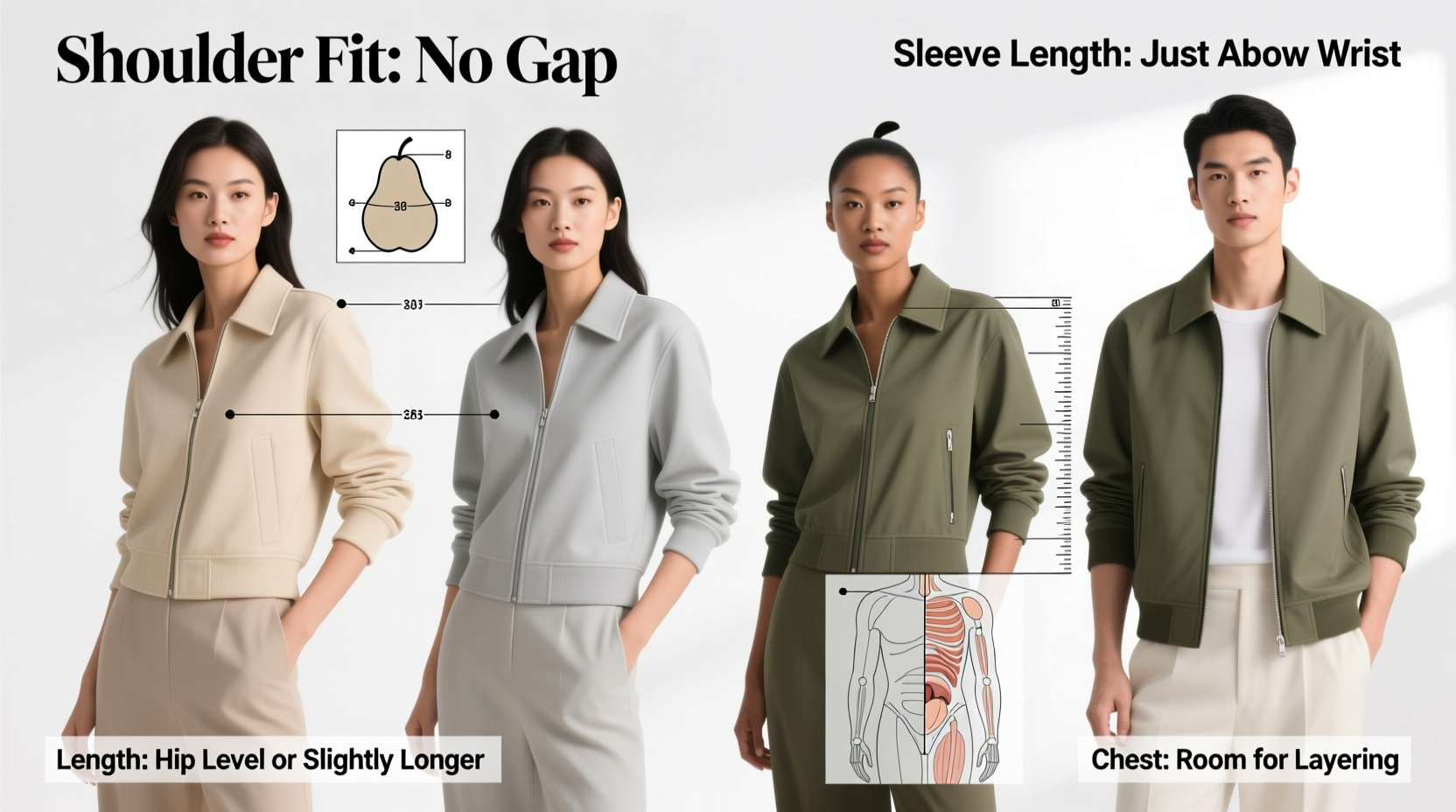
The foundation of a good fit starts with accurate measurements. Don’t rely on the size tag from last year or assume your size is the same across brands. Use a soft measuring tape and take three essential measurements:
- Chest: Wrap the tape around the fullest part of your chest, under the arms, keeping it parallel to the floor. Don’t pull too tight—allow enough room to breathe comfortably.
- Shoulders: Measure from the edge of one shoulder seam (where the arm meets the torso) to the other. This is critical for structured jackets like blazers or denim styles.
- Sleeve Length: With your arm slightly bent, measure from the shoulder seam down to where you want the cuff to fall—typically at the wrist bone.
- Waist & Hips (for longer styles): Especially important for trench coats or cropped bombers, measure around the narrowest part of your waist and the fullest part of your hips.
Understanding Body Types and Jacket Fit
Your body shape influences how a jacket drapes and balances your silhouette. Recognizing your build helps you select cuts that enhance rather than overwhelm.
| Body Type | Jacket Recommendations | Avoid |
|---|---|---|
| Inverted Triangle (broad shoulders, narrower hips) | Unstructured linen jackets, cropped bombers, open-front cardigans | Boxy silhouettes, padded shoulders, stiff materials |
| Rectangle (balanced shoulders and hips) | Trench coats, belted styles, shackets with cinched waists | Shapeless dusters without definition |
| Trapezoid (narrower shoulders, wider midsection) | Open-layering pieces, V-neck styles, longer line jackets | Tight waistbands, cropped zipped designs |
| Petite (under 5'4\") | Cropped cuts, 3/4 sleeves, lightweight fabrics | Oversized parkas, longline trenches |
| Tall (over 5'9\") | Longline styles, full-zip windbreakers, double-breasted designs | Short boxy fits that cut the torso |
Real Example: Choosing for Proportion
Lena, 5'2\", works in a creative office where layering matters. Last spring, she bought a long utility jacket off the rack. Though it looked great on the hanger, it overwhelmed her frame, making her appear shorter. This year, she measured herself first and opted for a cropped cotton twill jacket with a slight A-line cut. It hits just above the hip, elongates her torso, and pairs effortlessly with both dresses and jeans. The difference wasn’t price or brand—it was proportion.
How Fabric and Structure Affect Fit
A jacket’s material plays a major role in how it fits and feels. Spring calls for lighter fabrics, but not all behave the same.
- Cotton Twill & Canvas: Slightly structured but breathable. Ideal for casual field jackets. May shrink slightly after washing—consider sizing up if between sizes.
- Linen: Wrinkles easily but drapes beautifully. Choose relaxed fits; avoid tight buttoning.
- Nylon & Polyester Blends: Common in windbreakers and rain shells. Often run small due to stretch. Check garment specs for “slim” vs. “regular” cut.
- Denim: Stiff when new, softens over time. If you prefer a broken-in feel immediately, size up slightly or opt for “soft wash” versions.
“Fit isn’t just about numbers on a tag. It’s about how the garment moves with you. A spring jacket should allow you to raise your arms, sit comfortably, and layer lightly underneath.” — Marcus Tran, Menswear Designer & Fit Consultant
Checklist: How to Test Fit Before Buying
Whether shopping online or in-store, use this checklist to ensure optimal fit:
- ✅ Can you zip or button the jacket without pulling at the fabric?
- ✅ Do your arms move freely without restricting shoulder seams?
- ✅ Is there about 1–2 inches of ease in the chest for layering a light sweater?
- ✅ Does the hem hit at a flattering point (e.g., hip, waist, or hipbone)?
- ✅ Are the sleeves long enough to cover your wrists but not so long they bunch?
- ✅ When buttoned, does the jacket follow your natural torso line without gaping?
Common Sizing Mistakes and How to Avoid Them
Even experienced shoppers fall into these traps:
- Mistake: Assuming unisex or gender-neutral sizing is consistent. Solution: Always check the brand’s specific size chart—many “unisex” labels are based on men’s proportions.
- Mistake: Ignoring sleeve length because “I can roll them.” Solution: Rolled sleeves can alter shoulder balance. Measure first.
- Mistake: Buying oversized for “layering room.” Solution: Oversized ≠ functional. Too much volume adds bulk and disrupts proportion.
Expert Tip: Layering Strategy
Spring weather fluctuates. Plan your jacket choice around what you’ll wear underneath. Try this test:
- Put on a medium-weight base layer (like a cotton shirt or thin sweater).
- Add a vest or second layer if needed.
- Try on the jacket. It should close comfortably without strain.
If you’re buying online, look for brands that specify “fits over a sweater” or include model layering details in product descriptions.
FAQ: Your Spring Jacket Fit Questions Answered
Should a spring jacket be snug or loose?
Ideal fit is “close but comfortable.” You should be able to layer a light top underneath without tension across the chest or back. A little ease allows for movement and breathability.
What if I’m between sizes?
Choose based on fabric and cut. For stretchy or soft materials (like nylon blends), go with the smaller size. For rigid fabrics (denim, structured cotton), size up. When in doubt, prioritize chest and shoulder measurements over waist.
Do international brands size differently?
Yes. European brands often run smaller than U.S. equivalents. Asian brands may have shorter sleeves and narrower shoulders. Always consult conversion charts and read customer reviews for fit feedback.
Final Tips for Confidence in Every Fit
Finding the perfect spring jacket isn’t about chasing trends—it’s about aligning function, comfort, and personal style. Take time to measure yourself annually, as bodies change. Keep a note on your phone with your current stats: chest, shoulders, sleeve length. Bring it shopping.
Don’t hesitate to tailor. A simple $15 hem or shoulder adjustment can transform an almost-right jacket into your signature piece. And remember: confidence comes not from wearing the “right” size label, but from feeling balanced, mobile, and at ease in your clothing.




 浙公网安备
33010002000092号
浙公网安备
33010002000092号 浙B2-20120091-4
Comments
No comments yet. Why don't you start the discussion?