
In a world increasingly cluttered with material possessions, the most memorable gifts often aren’t things you can wrap. They’re moments—shared laughter, personal growth, or a long-awaited adventure. An experience gift transcends the temporary thrill of unwrapping and creates emotional imprints that last far longer than any object on a shelf. Whether it’s a cooking class for a food-loving friend or a weekend retreat for an overworked partner, experience-based giving fosters connection, presence, and joy in its purest form.
The shift from physical to experiential gifting isn't just trendy—it's backed by psychology. Studies consistently show that people derive more enduring happiness from experiences than from material goods. Experiences become part of our identity; they shape stories we tell, deepen relationships, and offer a sense of fulfillment that objects rarely match. The key lies not just in choosing *any* experience, but in selecting one that resonates deeply with the recipient’s values, passions, and emotional needs.
Why experiences outshine physical gifts
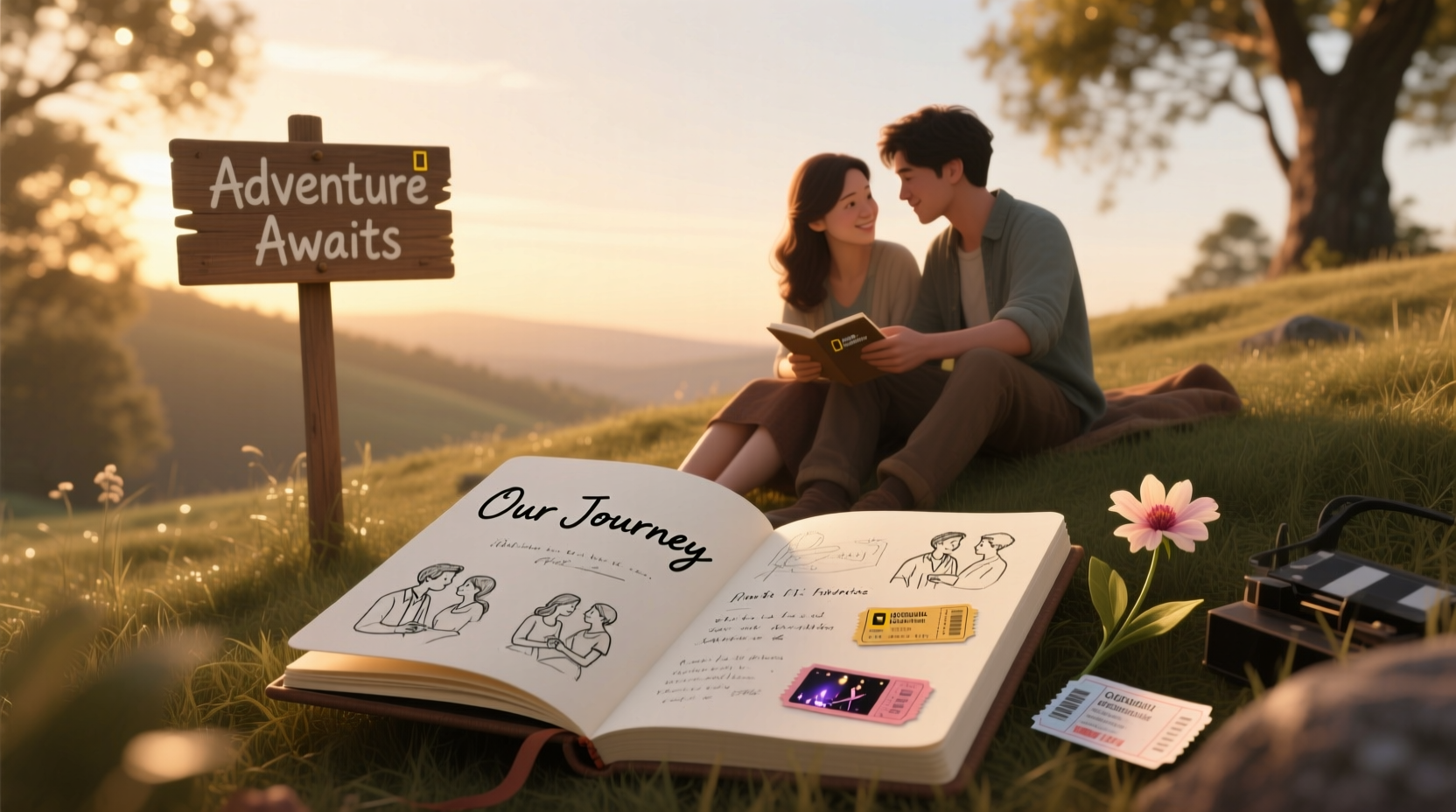
Material gifts often follow a predictable arc: excitement at opening, brief utility or display, then gradual decline into disuse or disposal. In contrast, experiences grow in value over time. A concert, a hot air balloon ride, or even a quiet pottery workshop becomes richer with memory and reflection. Psychologists refer to this as “rosy retrospection”—our tendency to remember experiences more fondly than they may have felt in the moment.
Moreover, experience gifts are inherently social. Even solo activities like a spa day or a photography tour are often shared through storytelling, photos, or changed perspectives. They encourage presence—no scrolling, no distractions—just immersion in the now. This aligns with growing cultural movements toward minimalism, mindfulness, and sustainable living. Giving an experience reduces waste, avoids clutter, and honors the recipient’s time and attention as the most precious resources.
“Experiences connect us to ourselves and others in ways possessions simply cannot. They become part of who we are.” — Dr. Thomas Gilovich, Professor of Psychology at Cornell University
How to choose the right experience gift
Selecting a meaningful experience requires thoughtfulness, not just budgeting. It begins with observation: What does the person light up about? What have they mentioned in passing? What do they spend their free time doing—or wishing they could do?
Start by categorizing potential experiences based on the recipient’s personality:
- The Adventurer – Thrives on novelty and challenge (e.g., rock climbing, scuba diving, zip-lining).
- The Creator – Enjoys self-expression (e.g., painting workshops, writing retreats, music lessons).
- The Nurturer – Values connection and care (e.g., couples’ massage, family cooking class, volunteer outing).
- The Thinker – Seeks depth and insight (e.g., museum membership, lecture series, book club subscription).
- The Relaxer – Prioritizes peace and restoration (e.g., spa day, forest bathing, meditation retreat).
Avoid defaulting to generic options like “gift cards to anything.” While flexible, they lack intentionality—the very quality that makes a gift meaningful. Instead, personalize the experience by adding context: include a handwritten note explaining why you chose it, or pair it with a small symbolic item (a journal for a writing retreat, a trail map for a hiking excursion).
Step-by-step guide to planning a meaningful experience gift
Giving an experience well involves more than clicking “buy” online. Follow these steps to ensure your gift feels considered, seamless, and truly special.
- Reflect on the recipient’s interests – Revisit conversations, hobbies, bucket lists, or social media activity. Look for patterns, not isolated likes.
- Determine logistics – Consider location, timing, physical ability, and whether the experience is solo or shared. Is it feasible within their schedule?
- Research reputable providers – Read reviews, check cancellation policies, and verify safety standards—especially for physical or travel-based activities.
- Personalize the delivery – Don’t just forward a confirmation email. Create a custom card, use a gift box with clues, or host a mini reveal event.
- Include flexibility when possible – Attach a note: “This is valid for 12 months—choose the date that feels right.” Life changes; honor that.
- Follow up after the experience – Ask how it went. Request a photo or story. This closes the loop and shows genuine interest.
This process transforms gifting from transactional to relational. You're not just handing over access—you're inviting someone into a chapter of their life story.
Experience gift ideas by occasion
The best experience gifts align with the significance of the moment. Here’s a curated list by common gifting occasions:
| Occasion | Experience Idea | Why It Works |
|---|---|---|
| Birthday | Private mixology class at home | Fun, interactive, and tailored to their taste in drinks |
| Anniversary | Sunset sail with champagne | Romantic, intimate, and visually unforgettable |
| Graduation | Weekend road trip with a “destination mystery” | Celebrates freedom and new beginnings |
| Retirement | Beginner’s course in a lifelong passion (e.g., jazz piano) | Supports purpose and exploration in a new life phase |
| New Parent | At-home massage + babysitter stipend | Practical care wrapped in restorative luxury |
| Just Because | Local adventure day: scavenger hunt with public transit passes | Spontaneity sparks joy and discovery |
Remember: the smallest experiences can carry the most weight. A coffee tasting at a local roastery or a guided birdwatching walk might seem minor, but when aligned with someone’s curiosity, they feel profoundly seen.
Real example: Turning regret into connection
Sophie had always bought her brother, Mark, high-end gadgets for his birthday—smartwatches, headphones, the latest tablet. Each year, he thanked her politely, but the gifts sat unused. One evening, she overheard him mention, almost wistfully, “I used to love playing guitar. Haven’t touched one in fifteen years.”
Instead of another electronic, Sophie booked Mark a four-week beginner-to-intermediate acoustic guitar course at a neighborhood music studio. She included a modest-yet-quality secondhand guitar and a note: “Reconnecting with old joys is a gift to yourself—and to all of us who miss hearing you play.”
Mark later told her it was the best gift he’d ever received. Not because of the instrument, but because someone noticed what mattered. He now plays weekly, shares recordings with family, and has even joined a casual band. The gift didn’t just occupy space—it opened a door.
Common pitfalls and how to avoid them
Even well-intentioned experience gifts can misfire. Awareness of common mistakes ensures your gesture lands as intended.
- Assuming enthusiasm: Just because you love skydiving doesn’t mean your anxious cousin will. Gauge comfort levels before committing.
- Over-scheduling: Avoid packing multiple activities into one day. Space allows for reflection and enjoyment.
- Neglecting the practical: Ensure transportation, parking, weather contingencies, and dress codes are communicated clearly.
- Forgetting the emotional layer: An experience without acknowledgment feels like a voucher, not a gift. Add a personal message.
Do’s and Don’ts of Experience Gifting
| Do’s | Don’ts |
|---|---|
|
|
FAQ
What if the person prefers tangible gifts?
Some people express love through physical objects, and that’s valid. In such cases, bridge the gap: pair a small keepsake with the experience. For example, after a wine-tasting tour, give a hand-blown wine glass engraved with the date. The object becomes a symbol of the memory, not the gift itself.
Are digital experience gifts as meaningful?
They can be—especially when in-person isn’t feasible. Virtual cooking classes with a loved one, online art workshops, or even a curated playlist with a listening party invitation can foster connection. The medium matters less than the intention behind it. However, prioritize interaction over passive consumption (e.g., a live class vs. a pre-recorded video).
How much should I spend on an experience gift?
Meaning isn’t measured in dollars. A $20 botanical garden pass with a picnic plan can outweigh a $200 generic concert ticket. Focus on relevance and effort. Thoughtful curation often costs less than mass-market options and delivers far greater emotional return.
Create your own experience gift checklist
Use this actionable checklist to design a gift that resonates:
- ☐ I’ve reflected on the recipient’s recent interests or unmet desires
- ☐ The experience aligns with their personality type (adventurer, creator, etc.)
- ☐ I’ve checked availability, location, and accessibility
- ☐ The provider has positive reviews and clear policies
- ☐ I’ve added a personal touch (note, small symbolic item, themed presentation)
- ☐ I’ve allowed flexible scheduling or rescheduling options
- ☐ I plan to follow up after the experience to hear about it
Conclusion: Give the gift of presence
In a culture obsessed with accumulation, choosing to give an experience is a quiet act of rebellion—a declaration that time, attention, and connection matter more than stuff. The most meaningful gifts don’t sit on shelves; they live in laughter around a campfire, in the pride of mastering a new skill, in the silence shared watching a sunrise from a mountain peak.
You don’t need grand gestures to make an impact. Start small. Pay for a friend’s first yoga class. Gift your partner a “no phones” afternoon in the park. Plan a surprise neighborhood walk with historical facts printed on cards. These moments accumulate into a life rich with meaning.




 浙公网安备
33010002000092号
浙公网安备
33010002000092号 浙B2-20120091-4
Comments
No comments yet. Why don't you start the discussion?