
Hardwood floors add elegance and warmth to any home, but they also highlight the unsightly presence of extension cords. Whether you're powering a holiday display, setting up a home office, or connecting entertainment systems, exposed cords pose both aesthetic and safety concerns. Taping them down may seem like an easy fix, but it risks leaving sticky residue, scratching the finish, or peeling protective coatings over time. The real challenge is concealing these cords effectively—without compromising floor integrity or creating tripping hazards.
The solution lies in smart planning, proper tools, and techniques that respect both your flooring and household safety. From cord covers to furniture placement strategies, there are multiple professional-grade methods to keep cords out of sight and out of mind—safely and cleanly.
Why traditional tape solutions fail on hardwood
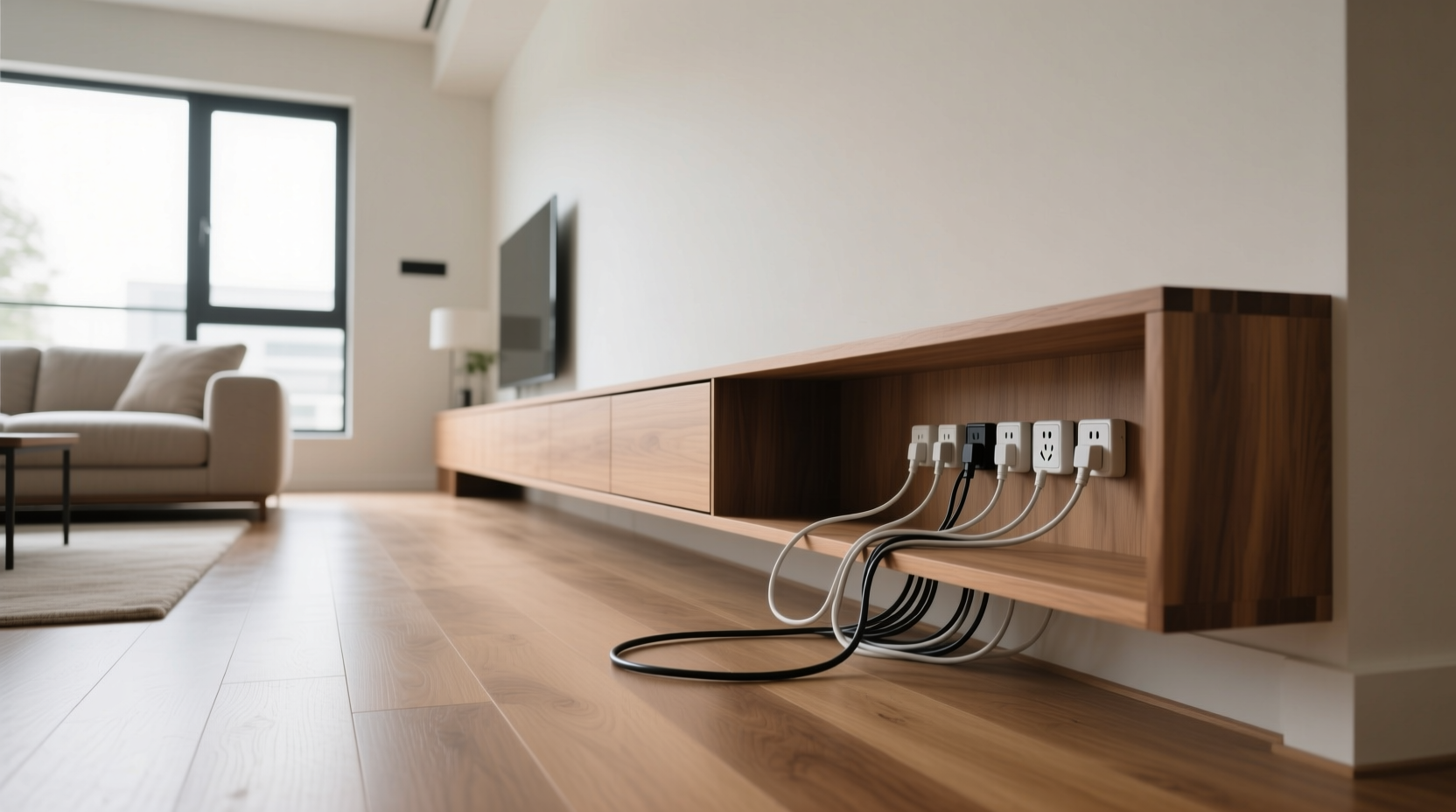
Tape is often the go-to for quick fixes, but hardwood floors are particularly vulnerable to adhesive damage. Most tapes—even those labeled as “low-residue”—can degrade the polyurethane or wax finishes common on engineered and solid wood flooring. Over time, heat, foot traffic, and UV exposure cause adhesives to bond more aggressively, making removal difficult and potentially leading to:
- Floor finish discoloration
- Micro-scratches from peeling
- Residue buildup requiring chemical cleaners
- Long-term dulling of the wood’s luster
According to flooring expert Daniel Reyes of Heritage Floorworks, “Even painter’s tape isn’t truly safe for long-term use on pre-finished hardwood. The oils in adhesives interact with surface sealants, and what starts as a temporary fix can become a permanent blemish.”
“Once adhesive bonds with a hardwood finish, removing it often requires sanding—which defeats the purpose of preserving your floor.” — Daniel Reyes, Certified Wood Flooring Specialist
Beyond cosmetic damage, taped cords remain a tripping hazard. They lift at the edges, snag on shoes, and shift underfoot. A better approach prioritizes secure concealment without direct contact between adhesive and floor.
Safe and effective cord concealment methods
There are several proven alternatives to taping that protect your hardwood while keeping cords hidden and secure. The best method depends on how long you need the cord in place, the room layout, and whether children or pets are present.
1. Use peel-and-stick cord covers with removable adhesive
Cord covers (also known as cable raceways) are plastic channels that snap over cords and attach to the floor or baseboard. High-quality versions use advanced adhesives designed for temporary bonding—strong enough to hold the cover, yet gentle enough to remove cleanly.
Look for brands like 3M ScotchMount or CordMate Pro, which feature:
- UV-resistant polycarbonate construction
- Removable mounting strips
- Paintable surfaces for blending with décor
Installation is simple: clean the baseboard or floor edge with isopropyl alcohol, apply the mounting strip, press the cover into place, and thread the cord through. When no longer needed, gently pry the cover off—the adhesive strip should detach with minimal residue.
2. Route cords behind furniture and along walls
Strategic furniture arrangement can naturally hide cords without any hardware. Position desks, sofas, or entertainment centers so that cords run behind them, parallel to baseboards. This method works especially well in living rooms and home offices.
Use furniture sliders or felt pads if you need to move heavy pieces slightly to create clearance. Never pinch cords between furniture legs and the floor—that creates pressure points and increases fire risk.
3. Install under-floor cord management systems
For permanent setups (e.g., home theaters or workstations), consider installing a recessed cord channel beneath the floor surface. While this requires professional help, it offers the cleanest look possible. Alternatively, surface-mounted floor trunking—thin aluminum or plastic channels installed flush with the floor—can be painted to match surroundings and support foot traffic.
4. Use cord clips and guides mounted to baseboards
Instead of placing cords directly on the floor, attach cord clips to the baseboard using small nails or removable adhesive hooks. These guide the cord upward and along the wall, reducing floor contact. Choose soft-grip rubber-lined clips to avoid damaging cord insulation.
5. Employ cord bundling and color-matching techniques
If complete concealment isn't possible, minimize visibility by grouping cords together and using dark-colored extensions that blend with baseboards or rugs. Spiral wrap sleeves or braided loom tubing can bundle multiple cords into a single, neater line that's less likely to catch attention—or toes.
Step-by-step: How to install a cord cover without damaging hardwood
Follow this timeline to safely install a peel-and-stick cord cover along a hardwood floor edge:
- Day 1 – Plan & Prepare (15 minutes)
Select the path for your cord, avoiding high-traffic walkways. Measure the distance and purchase a cord cover kit with matching adhesive strips. - Day 1 – Clean Surface (10 minutes)
Wipe the baseboard or floor edge with a lint-free cloth dampened with 70% isopropyl alcohol. Let dry completely. Avoid water-based cleaners—they can seep into seams. - Day 1 – Apply Mounting Strip (5 minutes)
Peel the backing from the adhesive strip and press it firmly along the baseboard, 1–2 inches above the floor. Ensure it’s level and continuous. - Day 1 – Thread & Snap (5 minutes)
Feed the extension cord through the open side of the cord cover. Align the cover with the mounting strip and snap it into place. - Ongoing – Monitor & Maintain
Check monthly for loosening or lifting. Dust around the edges to prevent buildup. - When Removing – Lift Slowly (10 minutes)
Use dental floss or fishing line to slice through the adhesive bond. Slide the line horizontally under the cover and pull back and forth like a saw. This avoids floor scraping.
Do’s and Don’ts: Hardwood-safe cord management
| Do | Don’t |
|---|---|
| Use cord covers with removable adhesive strips | Apply duct tape or packing tape directly to the floor |
| Route cords behind furniture whenever possible | Run cords across doorways or under rugs (fire hazard) |
| Clean surfaces with alcohol before applying adhesives | Leave cords loose in high-traffic areas |
| Use baseboard-mounted clips instead of floor tape | Overload a single extension cord beyond its rating |
| Bundle cords neatly to reduce clutter | Paint over or modify cord insulation |
Real example: Concealing cords in a home office
Sarah M., a remote worker in Portland, needed to power her desk setup located 12 feet from the nearest outlet. Her living room has wide-plank oak flooring she didn’t want to risk damaging. Initially, she used black electrical tape to secure the cord along the baseboard—but within two weeks, residue began flaking off, and the tape lifted at corners.
She switched to a 3M ScotchMount Cord Cover system. After cleaning the baseboard with alcohol, she applied the mounting strip and snapped in the cord housing. The result was nearly invisible from a standing position, and after six months, she removed it cleanly using dental floss to break the adhesive bond. No residue, no scratches.
“It looked like the cord was built into the wall,” she said. “And when I rearranged the room, I just took it down without worrying about the floor.”
Checklist: Safe cord concealment on hardwood floors
Before installing any cord solution, follow this checklist to ensure safety and floor protection:
- ☐ Identify the cord path and avoid high-traffic zones
- ☐ Check cord gauge and amperage rating for your devices
- ☐ Clean installation surface with alcohol—no moisture
- ☐ Choose non-adhesive or removable-adhesive products
- ☐ Test removal method (e.g., floss technique) before full installation
- ☐ Inspect cords monthly for wear, overheating, or fraying
- ☐ Keep cords away from area rugs or mats (trapping heat)
- ☐ Label cords if multiple runs exist for future access
Frequently asked questions
Can I use Velcro straps on hardwood floors?
No—Velcro straps with adhesive backing still use glue that can stain hardwood. If you must use Velcro, opt for hook-and-loop tape applied only to the underside of furniture or baseboards, never directly on the floor.
Are cord covers safe for homes with kids and pets?
Yes, especially flat-profile models with smooth edges. Choose covers rated for foot traffic and avoid sharp-cornered metal trunking. Always secure cords tightly to prevent tugging or chewing hazards.
What’s the best way to remove leftover adhesive from a cord cover?
Use a small amount of rubbing alcohol on a microfiber cloth. Gently rub the spot in circular motions. For stubborn residue, try a commercial adhesive remover like Goo Gone—test on a hidden area first. Never scrape with metal tools.
Final thoughts: Protect your floors, not just your cords
Hiding extension cords on hardwood floors doesn’t require sacrificing aesthetics for safety—or risking expensive floor damage for convenience. With thoughtful planning and the right tools, you can maintain the beauty of your flooring while keeping power accessible where you need it.
Whether you choose cord covers, strategic routing, or baseboard guides, the key is avoiding direct adhesive contact with the wood surface. Invest a little time upfront to select and install a reversible, residue-free solution. Your hardwood will thank you years down the line—when it still shines as brightly as the day it was installed.




 浙公网安备
33010002000092号
浙公网安备
33010002000092号 浙B2-20120091-4
Comments
No comments yet. Why don't you start the discussion?