
Celery is a kitchen staple—crisp, refreshing, and perfect for snacking, soups, or stir-fries. Yet, it has a notorious reputation for wilting within days of purchase. The good news? With the right storage techniques, you can keep celery fresh, crunchy, and usable for up to three or four weeks. The key lies in understanding its high water content and sensitivity to ethylene gas and temperature fluctuations. This guide breaks down proven methods to maximize shelf life, prevent limp stalks, and reduce food waste—all using tools you already have in your kitchen.
Why Celery Goes Limp So Quickly
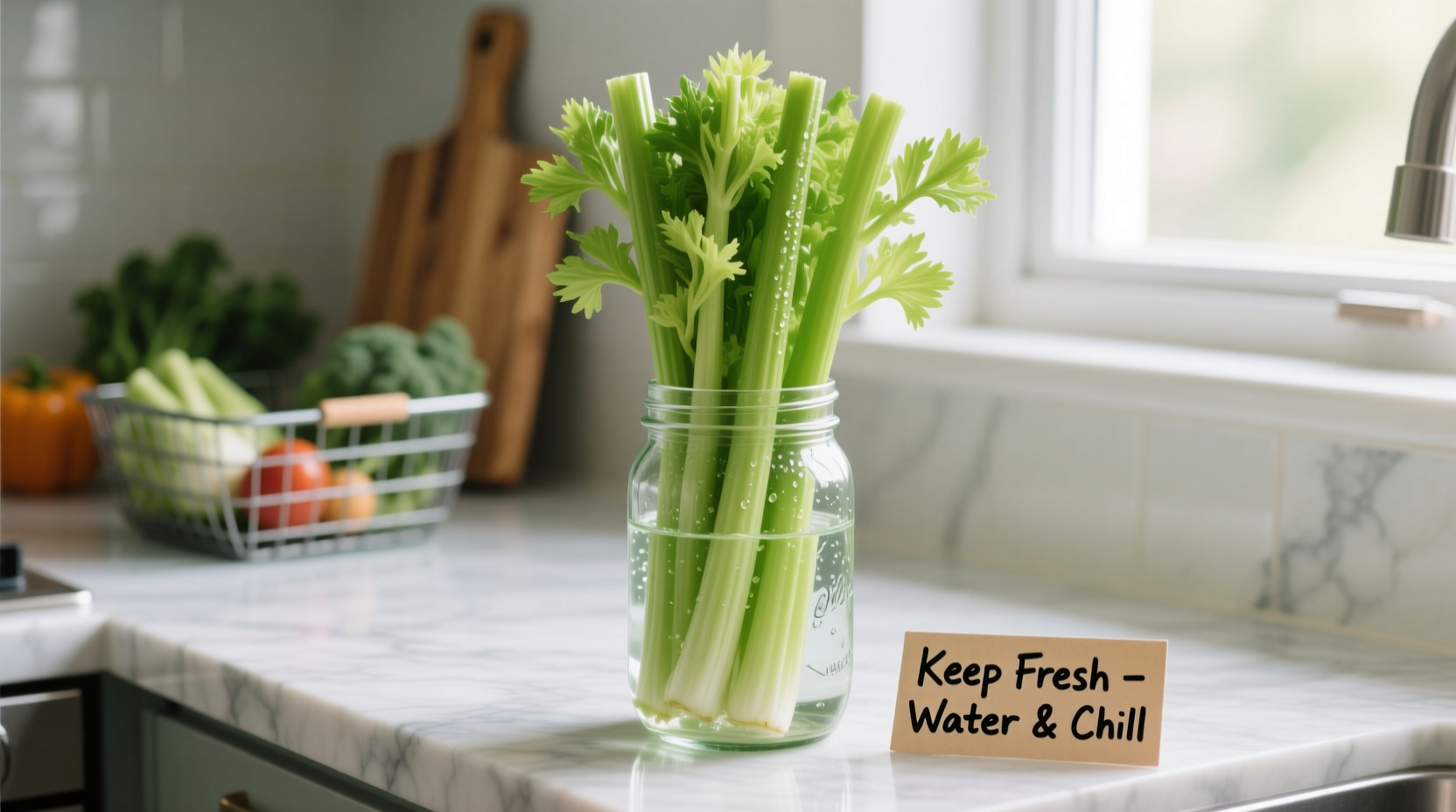
Celery is composed of about 95% water, making hydration essential to its texture. Once cut from the plant, it begins losing moisture through transpiration—the natural process where water evaporates from its surface. When stored improperly, this process accelerates, leading to limp, rubbery, or fibrous stalks.
Additional factors that shorten celery’s freshness include:
- Exposure to air: Increases moisture loss.
- Contact with ethylene-producing fruits: Apples, bananas, and tomatoes emit ethylene gas, which speeds ripening and decay in many vegetables, including celery.
- Inconsistent temperatures: Fluctuations in fridge temperature cause condensation, promoting spoilage.
- Improper packaging: Plastic bags without ventilation trap moisture, encouraging mold growth.
“Maintaining humidity while preventing excess moisture is the golden rule for storing leafy vegetables like celery.” — Dr. Linda Harris, Postharvest Physiologist, UC Davis
The Best Way to Store Whole Celery in the Fridge
If you’ve just brought home a full bunch of celery and don’t plan to use it immediately, follow this method to preserve its crunch:
- Keep it whole: Do not wash or cut the celery before storing. Cutting exposes more surface area to air, speeding up moisture loss.
- Wrap in aluminum foil: Loosely wrap the entire bunch in aluminum foil and place it in the crisper drawer. The foil allows ethylene gas to escape while retaining enough humidity to prevent dehydration.
- Store in the high-humidity drawer: Most refrigerators have adjustable humidity settings. Use the drawer labeled “high humidity” or close the vent to maintain moisture.
How to Store Cut Celery for Maximum Freshness
Pre-cut celery is convenient but degrades faster. To extend its life after slicing:
- Submerge in water: Place cut pieces in an airtight container filled with cold water. Seal the lid and store in the refrigerator.
- Change water every 2–3 days: This prevents bacterial buildup and keeps the celery crisp.
- Use glass or BPA-free plastic containers: These materials won’t leach chemicals and are easier to clean thoroughly.
This method works especially well for snack prep or recipes requiring diced or sliced celery. The water acts as a hydration reservoir, allowing the stalks to absorb moisture just like they did when rooted.
Real Example: Meal Prep Success Story
Jamie, a busy parent from Portland, used to throw out half a bunch of celery each week. After switching to the water-storage method for pre-chopped pieces, she noticed a dramatic difference. “I now prep all my veggies on Sunday. The celery stays crisp in water all week—perfect for school lunches and stir-fries. I haven’t bought new celery in over a month because I’m finally using what I buy.”
Alternative Storage Methods Compared
Not everyone has aluminum foil or airtight containers on hand. Here’s how common storage methods stack up:
| Method | Freshness Duration | Pros | Cons |
|---|---|---|---|
| Original plastic bag | 3–5 days | Convenient, no extra effort | Traps moisture and gas; leads to limp or slimy stalks |
| Aluminum foil wrap | 3–4 weeks | Vents ethylene, maintains humidity | Requires foil; not eco-friendly for some |
| Airtight container (dry) | 1–2 weeks | Reusable, organized | Dries out celery unless lined with damp cloth |
| Water-filled container | Up to 2 weeks (cut celery) | Keeps pieces crisp; ideal for prepping | Requires water changes; takes more space |
| Beeswax wrap | 1–2 weeks | Eco-friendly, breathable | Less effective than foil for long-term storage |
Step-by-Step Guide: Reviving Limp Celery
If your celery has already started to wilt, don’t toss it. You can often restore its crunch with one simple trick:
- Trim off the base of the stalks with a sharp knife.
- Stand the stalks upright in a glass or bowl filled with 1–2 inches of cold water.
- Place the container in the refrigerator for 2–4 hours.
- Check for firmness. The celery should rehydrate and regain its snap.
This works because celery absorbs water through its base, similar to how cut flowers drink from a vase. It’s a quick fix that can rescue nearly limp stalks and make them suitable for both raw eating and cooking.
Storage Checklist: Keep Your Celery Fresh
Follow this checklist every time you bring celery home:
- ☐ Inspect the bunch for brown spots or soft areas before buying.
- ☐ Leave it unwashed until ready to use.
- ☐ Wrap whole celery in aluminum foil or place cut pieces in water.
- ☐ Store in the high-humidity crisper drawer.
- ☐ Keep away from ethylene-producing fruits like apples and bananas.
- ☐ Change water every 2–3 days if stored submerged.
- ☐ Check weekly for signs of spoilage—discard any stalks with mold or foul odor.
Frequently Asked Questions
Can I freeze celery?
Yes, but frozen celery loses its crunch and is best used in cooked dishes like soups, stews, or sauces. Chop it into desired sizes, blanch for 2–3 minutes, cool in ice water, drain, and freeze in airtight bags. It will keep for 12–18 months.
Should I wash celery before storing it?
No. Washing adds surface moisture that can promote mold growth. Wait to wash until just before use. If visibly dirty, rinse, dry *thoroughly*, and then store.
How do I know when celery has gone bad?
Signs include strong unpleasant odor, mushy texture, dark brown or black spots, or visible slime. If only one stalk is spoiled, you may cut it away and use the rest—if the remaining pieces are still firm and smell fresh.
Final Thoughts: Waste Less, Eat Better
Keeping celery fresh isn’t about complicated gadgets or special containers—it’s about working with the vegetable’s natural needs. By controlling moisture, limiting ethylene exposure, and using smart storage techniques, you can enjoy crisp, flavorful celery for weeks instead of days. This small change reduces grocery trips, minimizes food waste, and ensures you always have a healthy option ready for meals and snacks.




 浙公网安备
33010002000092号
浙公网安备
33010002000092号 浙B2-20120091-4
Comments
No comments yet. Why don't you start the discussion?