
Towels should feel plush, absorbent, and fresh after every wash. Yet over time, many become stiff, scratchy, and less effective at drying. The common solution—fabric softener—may add a pleasant scent, but it comes with drawbacks: residue buildup, reduced absorbency, and potential skin irritation. Fortunately, softness doesn’t require chemicals. With the right techniques and a few clever alternatives, you can maintain luxuriously soft towels using only natural, accessible methods.
The key lies in understanding what causes towels to harden. Mineral deposits from hard water, detergent residue, overloading the washer, and high-heat drying all contribute to stiffness. By addressing these root causes, you can preserve both texture and performance—no synthetic additives needed.
Why Fabric Softener Isn’t the Best Choice
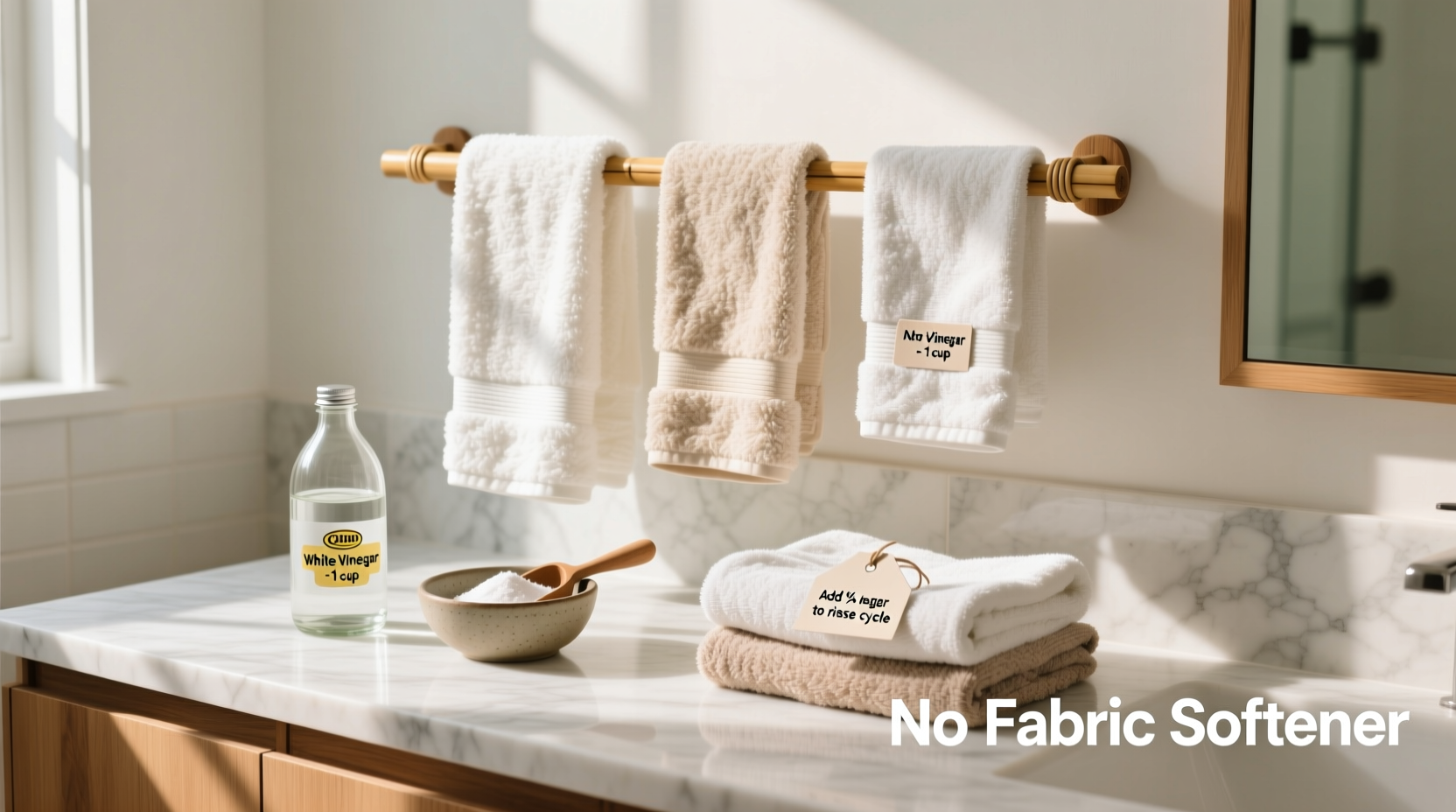
Fabric softeners coat fibers with a thin layer of chemicals designed to reduce static and increase softness. While this might sound beneficial, the coating diminishes a towel’s ability to absorb water. Over time, this leads to towels that feel damp even after drying or fail to wick moisture effectively during use.
Additionally, many commercial softeners contain quaternary ammonium compounds (quats), which have been linked to respiratory issues and are not biodegradable. For eco-conscious households or those with sensitive skin, avoiding these substances is a priority.
“Fabric softeners create a false sense of softness while compromising function. Towels need breathability and absorbency—not chemical coatings.” — Dr. Lena Peterson, Textile Scientist and Sustainable Laundry Consultant
Natural Alternatives That Actually Work
Replacing fabric softener doesn’t mean sacrificing softness. Several household staples can break down mineral buildup, neutralize odors, and soften fibers naturally. These solutions are cost-effective, environmentally friendly, and safe for all skin types.
Vinegar: The Deep Cleaner
White vinegar is one of the most effective tools for restoring towel softness. Its acetic acid dissolves soap scum and mineral deposits trapped in cotton fibers. Unlike softeners, vinegar rinses away completely, leaving no residue.
To use: Add one cup of distilled white vinegar to the rinse cycle. For heavily soiled or stiff towels, run a full wash with vinegar alone—no detergent—to strip buildup.
Baking Soda: The pH Balancer
Baking soda enhances detergent performance by softening water and balancing pH levels. This allows soap to work more efficiently, reducing the amount needed and minimizing leftover residue.
Add half a cup to the drum before loading towels. Combine with vinegar in separate cycles (never mix directly, as they neutralize each other) for a deep clean and softening effect.
Wool Dryer Balls: Mechanical Softening
These reusable felted wool spheres tumble with your laundry, separating clothes and improving airflow in the dryer. This reduces drying time and naturally softens fibers through gentle agitation.
For added freshness, apply 2–3 drops of essential oil (like lavender or eucalyptus) to each ball before use. They last for years, making them an economical and sustainable alternative to dryer sheets.
Optimizing Your Wash Routine for Softness
Even with natural additives, improper washing habits can undermine your efforts. How you load, wash, and dry towels plays a major role in their long-term texture.
Use the Right Amount of Detergent
Overuse of detergent is a leading cause of stiff towels. Excess soap doesn’t fully rinse out, especially in high-efficiency (HE) machines, and accumulates in fibers. Follow manufacturer guidelines and consider using slightly less than recommended—particularly if you have soft water.
Avoid Overloading the Washer
Cramming too many towels into a single load restricts movement during the wash cycle. Without adequate space, water and detergent can’t circulate properly, resulting in incomplete cleaning and lingering stiffness. Fill the drum no more than three-quarters full to allow room for tumbling.
Rinse Thoroughly
An extra rinse cycle ensures all detergent and impurities are flushed out. Most modern machines offer this option; if yours doesn’t, simply run a second rinse-only cycle after washing.
Wash in Warm Water
Warm water (around 90–100°F) helps dissolve oils and residues better than cold water. However, avoid hot water regularly, as it can degrade cotton fibers over time and cause shrinkage. Reserve hot washes for sanitizing when necessary.
Smart Drying Techniques
Drying is just as critical as washing when it comes to maintaining softness. High heat may speed up drying, but it also damages fibers and causes brittleness.
Air-Dry When Possible
Hanging towels outdoors or on a drying rack preserves fiber integrity and adds natural softness. Sunlight also acts as a disinfectant, helping eliminate musty odors. If air-drying indoors, ensure good ventilation to prevent mildew.
If Using a Dryer, Lower the Heat
Set your dryer to low or medium heat. High heat breaks down cotton fibers, leading to roughness and pilling. Tumble drying with wool dryer balls improves fluffiness and cuts drying time by up to 25%.
Remove Promptly
Leaving towels in the dryer after the cycle ends invites wrinkles and compaction. Remove them as soon as the cycle finishes and give them a quick shake to restore loft.
Step-by-Step Guide to Softer Towels (Weekly Routine)
Follow this practical weekly process to keep towels consistently soft and absorbent:
- Sort towels by color and type to prevent lint transfer and ensure consistent washing conditions.
- Shake out each towel before loading to loosen fibers and remove surface debris.
- Add ½ cup baking soda directly into the drum before adding towels.
- Use a measured amount of mild detergent—preferably one free of dyes and fragrances.
- Run a warm wash cycle with an extra rinse to ensure complete detergent removal.
- Add 1 cup white vinegar to the rinse cycle (or dispenser, if available).
- Tumble dry on low heat with 2–3 wool dryer balls.
- Remove immediately and fold or hang to finish cooling.
Repeat this routine weekly. For maintenance, perform a deep clean every 3–4 weeks: wash towels in hot water with one cup of vinegar and no detergent to strip buildup.
Do’s and Don’ts: Towel Care at a Glance
| Do | Don’t |
|---|---|
| Use white vinegar in the rinse cycle | Use fabric softener or dryer sheets |
| Add baking soda to boost cleaning | Overload the washing machine |
| Dry on low heat with wool balls | Use high heat in the dryer |
| Air-dry when possible | Leave towels bunched in the dryer |
| Wash towels separately from other laundry | Wash towels with lint-producing items like sheets |
Mini Case Study: Reviving a Decade-Old Towel Set
Sarah, a homeowner in Portland, Oregon, had a set of bath towels she’d used daily for nearly ten years. Though durable, they had become rough, discolored, and barely absorbed water. She avoided fabric softener due to her child’s eczema but didn’t know how to improve them.
She began a four-week restoration plan: washing every other week with vinegar and baking soda, using low-heat drying with wool balls, and skipping detergent entirely for one hot-water cleansing cycle. After the first month, the towels were noticeably softer and whiter. By week six, they dried faster and felt comfortable against the skin. Sarah now maintains them with biweekly vinegar rinses and says they feel “almost like new.”
This case illustrates that even severely degraded towels can recover with consistent, chemical-free care.
Checklist: Keep Towels Soft Without Fabric Softener
- ☐ Use ½ cup baking soda per load to enhance cleaning
- ☐ Add 1 cup white vinegar during the rinse cycle
- ☐ Avoid overloading the washer—leave space for movement
- ☐ Select warm water wash, not hot
- ☐ Run an extra rinse cycle to remove residue
- ☐ Dry with wool dryer balls on low heat
- ☐ Remove towels promptly after drying
- ☐ Perform a monthly deep clean with vinegar only
- ☐ Store in a dry, ventilated area to prevent mildew
- ☐ Wash towels separately from clothes and linens
Frequently Asked Questions
Can I use apple cider vinegar instead of white vinegar?
While apple cider vinegar has similar acidity, it contains pigments and residual sugars that may stain light-colored towels. Stick with clear distilled white vinegar for best results.
Will vinegar damage my washing machine?
No—distilled white vinegar is safe for both standard and high-efficiency machines. It actually helps clean internal components by dissolving mineral buildup. Just avoid using it simultaneously with bleach, as this creates toxic fumes.
How often should I deep clean my towels?
Every 3–4 weeks is ideal for regular-use towels. If you live in a hard water area or notice stiffness early, consider monthly deep cleans. Less frequently used guest towels can go 6–8 weeks between deep washes.
Conclusion: Soft Towels, Naturally
Soft towels don’t require synthetic fragrances or chemical coatings. By rethinking your laundry approach—using vinegar, baking soda, wool dryer balls, and proper technique—you can achieve lasting softness while enhancing absorbency and longevity. These methods are safer for your skin, your machine, and the environment.
Start small: try adding vinegar to your next rinse cycle or swap in wool dryer balls. Observe the difference in texture and drying performance. With consistent care, your towels will stay plush, functional, and fresh—naturally.




 浙公网安备
33010002000092号
浙公网安备
33010002000092号 浙B2-20120091-4
Comments
No comments yet. Why don't you start the discussion?