
Sending a book through the mail may seem straightforward, but doing it right ensures your package arrives intact and at the lowest possible cost. Whether you're mailing a rare first edition, a textbook to a student, or a gift to a friend, the process involves more than just slapping on a stamp. A poorly packed book can arrive bent, torn, or water-damaged—especially if it's softcover or oversized. On the other hand, overpacking can lead to unnecessary postage fees. This guide walks you through every essential step to ship a book securely without overspending.
Select the Right Packaging Materials
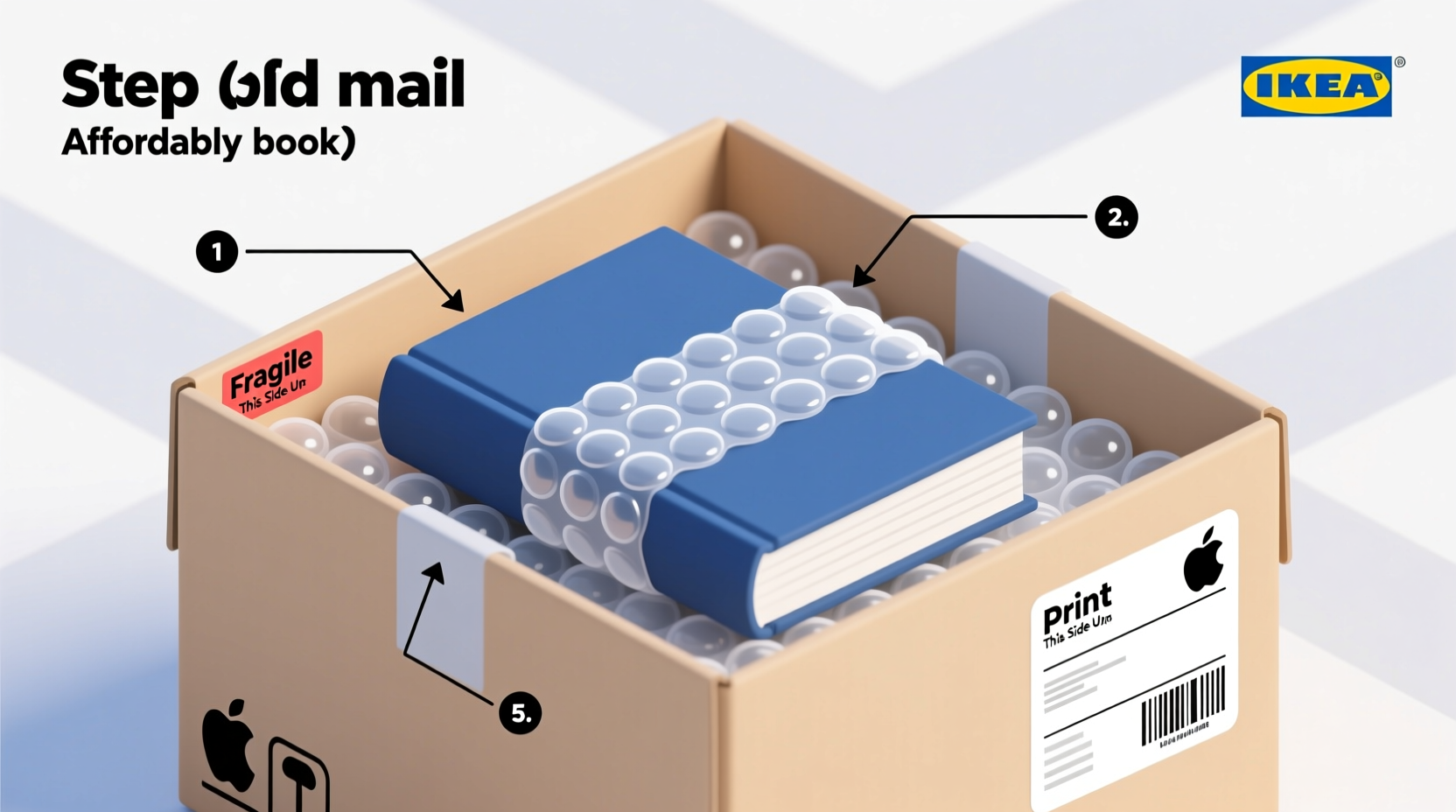
The foundation of safe book shipping is choosing packaging that matches the book’s size, weight, and fragility. Using inappropriate materials increases the risk of damage and often results in higher shipping costs due to excess bulk.
For most standard hardcover or softcover books, a rigid mailer or sturdy cardboard envelope provides sufficient protection. These are lightweight and designed to resist bending. For heavier or larger books—such as coffee table editions, textbooks, or collectible volumes—a corrugated cardboard box offers better structural support.
Avoid using flimsy envelopes, especially for used or older books. Pages can tear or become detached under pressure. Bubble-lined envelopes add cushioning but are best reserved for very delicate or valuable books where minor impact protection is needed.
Protect the Book Before Packing
Before placing the book in its outer container, take steps to shield it from moisture, scuffing, and internal shifting.
- Wrap the book in kraft paper or tissue paper to protect the cover from scratches and dust.
- For added security, place the wrapped book inside a plastic zip-top bag if humidity or rain is a concern during transit. Avoid sealing directly against leather or glossy covers, which can trap moisture.
- If shipping multiple books, wrap each individually to prevent rubbing and edge wear.
- Use cardboard inserts (cut from scrap pieces) on both sides of the book to reinforce rigidity and prevent bending.
Ensure the protective layers fit snugly within the outer mailer or box. Loose packing leads to movement, increasing the chance of corner dents or spine damage.
Choose the Best Shipping Method
Not all shipping options are created equal. The ideal method balances speed, tracking, insurance, and cost. Here’s a breakdown of common U.S. Postal Service (USPS) options suitable for book shipments:
| Service | Max Weight | Starting Price (2024) | Tracking Included? | Best For |
|---|---|---|---|---|
| Media Mail | 70 lbs | $3.28+ | No (optional +$2.00) | Books, CDs, educational materials |
| First-Class Package | 15.99 oz | $5.00+ | Yes | Lightweight books under 1 lb |
| Priority Mail | 70 lbs | $9.60+ | Yes | Faster delivery, fragile or valuable books |
| Library Rate | 70 lbs | $2.00+ | No | Nonprofit libraries only |
Media Mail is often the most affordable option for single or multiple books, provided they meet USPS content rules (no promotional material). Delivery takes 2–10 business days. However, it lacks default tracking, so consider adding it for peace of mind when sending valuable items.
“Media Mail is still one of the best values in domestic shipping for books—but always declare contents accurately to avoid delays.” — James Reed, USPS Customer Solutions Specialist
Step-by-Step Guide to Mailing Your Book
Follow this sequence to prepare, label, and send your book efficiently and securely:
- Inspect the book: Check for loose pages, damaged spines, or weak bindings. Reinforce fragile areas with archival tape if necessary.
- Wrap and reinforce: Use stiff cardboard on both sides and wrap in paper. Slide into a plastic bag if moisture is a concern.
- Select a properly sized mailer or box: The book should fit snugly with minimal movement. Extra space increases crush risk.
- Seal securely: Use high-quality packing tape to close all seams. Apply tape in an H-pattern for boxes to reinforce top and bottom flaps.
- Address clearly: Write the recipient’s name, full address, and ZIP code legibly. Include your return address in the top left corner.
- Choose and pay for shipping: Weigh the package and select the appropriate service. Print labels online via USPS.com, Stamps.com, or third-party platforms like Pirate Ship (which often offers discounted rates).
- Add extras if needed: Include delivery confirmation, insurance (especially for books worth over $50), or signature confirmation.
- Drop off or schedule pickup: Use a blue collection mailbox for First-Class letters under 10 oz, or visit a post office, authorized carrier drop-off, or schedule a free USPS pickup.
Real-World Example: Shipping a Vintage Hardcover Safely
Sarah needed to send a 1952 first edition of The Lion, the Witch and the Wardrobe to a collector in Portland. The book had sentimental value and was insured for $300. She didn’t want to risk damage or loss.
She started by wrapping the book in acid-free tissue paper, then placed it between two 1/8-inch corrugated boards cut to size. After sealing it in a resealable poly bag (to guard against potential water exposure), she placed it inside a slightly oversized Priority Mail flat-rate medium box. She filled empty spaces with crumpled kraft paper to prevent shifting. At the post office, she opted for Priority Mail Express with insurance and signature confirmation. The total cost was $24.50, and the book arrived in perfect condition within two days.
This example shows how assessing value, selecting proper materials, and investing in tracking and insurance can protect high-stakes shipments—even on a modest budget.
Common Mistakes to Avoid
- Using duct tape or masking tape: These degrade quickly and don’t adhere well under temperature changes.
- Oversizing the box: Larger boxes attract rough handling and increase dimensional weight pricing with some carriers.
- Writing addresses with pencil: Ink fades; always use permanent marker or printed labels.
- Shipping without insurance: Even Media Mail doesn’t cover loss or damage unless declared and paid for.
- Ignoring international regulations: When shipping abroad, include \"Unsolicited Gift\" or \"Commercial Sale\" on customs forms as applicable.
FAQ
Can I use a padded envelope for any book?
Padded envelopes work well for new, sturdy paperbacks or thin hardcovers. Avoid them for older, fragile, or heavy books, as side impacts can still cause damage. Always reinforce with cardboard inserts for better protection.
Is Media Mail slower than other options?
Yes. Media Mail typically takes 2–10 business days and is transported last priority after express and standard mail. It’s not ideal for time-sensitive deliveries, but it’s economical for non-urgent book shipments.
How do I ship a book internationally affordably?
Use USPS First-Class Package International for books under 4 lbs. It includes basic tracking and averages $15–$22 depending on destination. Declare the item as “books” with no commercial value if it’s a gift, or provide accurate valuation for sales. Consider Pirate Ship or Easyship for negotiated rates.
Final Checklist Before Mailing
- Preparation
-
☐ Inspect book condition
☐ Wrap in protective layer
☐ Insert side boards for rigidity - Packaging
-
☐ Choose correct mailer or box size
☐ Seal all edges with packing tape
☐ Minimize internal movement - Labeling & Shipping
-
☐ Write clear, complete addresses
☐ Select appropriate service (Media Mail, Priority, etc.)
☐ Add tracking and insurance if needed - Delivery Assurance
-
☐ Confirm weight and postage cost
☐ Retain tracking number
☐ Keep a copy of the shipping receipt
Conclusion
Mailing a book doesn’t have to be complicated or expensive. With the right materials, careful packing, and smart shipping choices, you can protect your book from warehouse handling to doorstep delivery—all while keeping costs low. Whether you’re sending one novel or a stack of textbooks, taking the time to pack thoughtfully reflects respect for the item and the recipient. Start applying these steps today, and turn every book shipment into a reliable, worry-free experience.




 浙公网安备
33010002000092号
浙公网安备
33010002000092号 浙B2-20120091-4
Comments
No comments yet. Why don't you start the discussion?