
If you’ve ever visited an Applebee’s and ordered their signature Artichoke and Spinach Dip, you know the experience: warm, creamy, tangy, and richly cheesy, served with crisp tortilla chips or toasted bread. The dip has become a staple appetizer in American casual dining culture—not just because of its bold flavor, but because it balances earthiness, acidity, and indulgence in a way few cold starters can. While many assume this crowd-pleasing dish is too complex for home kitchens, the truth is, it’s entirely replicable outside the restaurant kitchen. With the right ingredients, technique, and attention to texture, you can recreate that exact same velvety, bubbling-hot dip in your own oven—without relying on pre-made mixes or shortcuts that compromise authenticity.
This guide breaks down the science and structure behind Applebee’s version, reverse-engineered from taste profiles, ingredient analysis, and culinary best practices. You’ll learn not only how to build the dip layer by layer but also why each component matters—from the balance of cheeses to the moisture control of canned versus fresh vegetables. Whether you're preparing for game day, hosting a dinner party, or simply craving a nostalgic bite, this recipe delivers consistency, depth, and professional-level results.
Definition & Overview
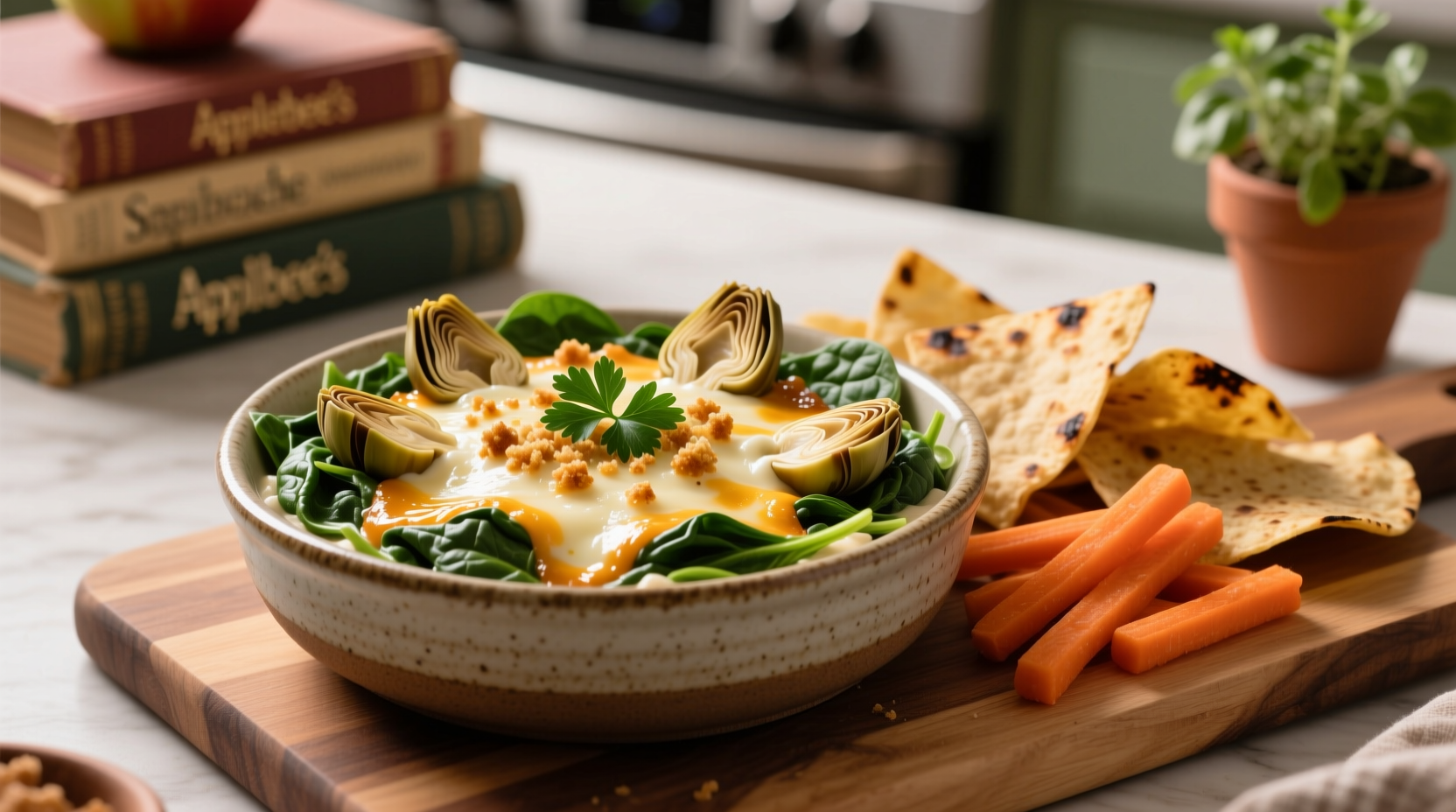
Applebee’s Artichoke and Spinach Dip is a warm, baked appetizer composed primarily of marinated artichoke hearts, chopped spinach, cream cheese, mayonnaise, sour cream, garlic, Parmesan, mozzarella, and seasonings. It belongs to the broader category of “hot vegetable dips,” popularized in U.S. chain restaurants during the 1990s as shareable, comfort-food-style starters. Unlike cold dips such as ranch or hummus, this variety relies on heat activation—melting cheeses and melding flavors through baking—to achieve its signature gooey consistency.
The dish draws influence from Mediterranean antipasto traditions, where marinated vegetables and cheese are combined into spreads, but adapts them to American palates through richer dairy bases and bolder seasoning. Its popularity stems from accessibility: all ingredients are shelf-stable or easily sourced, and the preparation requires no advanced techniques. However, subtle details—such as draining vegetables thoroughly, balancing acidity, and layering cheeses—affect the final outcome significantly.
In commercial settings like Applebee’s, the dip is typically baked in individual ramekins or small cast-iron skillets, then finished under a broiler for surface browning. At home, a shallow oven-safe dish produces nearly identical results when handled correctly.
Key Characteristics
| Characteristic | Description |
|---|---|
| Flavor Profile | Creamy, tangy, slightly salty, with herbal notes from garlic and Parmesan; mild vegetal undertones from spinach and artichokes. |
| Aroma | Garlicky and buttery when heated, with a faint sharpness from fermented cheeses. |
| Texture | Smooth and spreadable with slight chunkiness from vegetables; should cling to chips without dripping. |
| Color | Pale greenish-beige base with golden-brown spots after baking. |
| Temperature | Served hot (ideally above 165°F), never lukewarm or cold. |
| Shelf Life | Freshly made: up to 4 days refrigerated. Freezing alters texture due to dairy separation. |
| Culinary Function | Appetizer, party snack, or accompaniment to grilled meats and salads. |
Practical Usage: How to Recreate the Recipe at Home
To replicate Applebee’s Artichoke and Spinach Dip accurately, follow a structured approach that prioritizes moisture management, flavor layering, and proper baking. This isn’t merely mixing ingredients—it’s engineering a stable emulsion of fats, proteins, and water-soluble components that won’t separate or become greasy.
Core Ingredients and Their Roles
- Cream Cheese (8 oz): Forms the structural base. Full-fat blocks work better than spreadable tubs, which contain added liquids.
- Mayonnaise (½ cup): Adds richness and helps stabilize the fat matrix. Use real mayonnaise, not Miracle Whip.
- Sour Cream (½ cup): Introduces lactic tang and softens the overall mouthfeel.
- Grated Parmesan (¾ cup): Provides umami depth and saltiness. Freshly grated melts more evenly than pre-shredded.
- Shredded Mozzarella (1 cup): Creates stretch and browning. Low-moisture mozzarella prevents excess oil release.
- Canned Artichoke Hearts (14 oz): Drain and chop finely. Marinated varieties add extra flavor but must be patted dry.
- Frozen Chopped Spinach (10 oz): Thaw completely and squeeze out every drop of water using a clean towel.
- Garlic (3 cloves, minced): Raw garlic offers punch; sautéing first deepens flavor without burning.
- Worcestershire Sauce (1 tsp): Enhances savoriness and rounds out flat notes.
- Red Pepper Flakes (¼ tsp): Optional heat element—use sparingly to avoid overpowering.
- Salt & Black Pepper: Adjust to taste, keeping in mind Parmesan is already salty.
Step-by-Step Preparation
- Preheat oven to 375°F (190°C). Use convection if available for even browning.
- Prepare spinach: Thaw frozen spinach overnight in the fridge. Place in a fine mesh strainer, press with a spoon, then wrap in a clean kitchen towel and wring forcefully until no liquid remains. This step is critical—excess water dilutes flavor and causes sogginess.
- Drain artichokes: Rinse canned artichoke hearts under cold water, drain, then pat dry with paper towels. Chop into pea-sized pieces for uniform distribution.
- Sauté garlic: In a small pan over low heat, cook minced garlic in ½ tablespoon olive oil for 60–90 seconds until fragrant but not browned. Cooling before mixing prevents premature melting of cheeses.
- Mix wet base: In a large bowl, beat cream cheese with an electric mixer until smooth. Add mayonnaise and sour cream; blend until homogeneous. Fold in sautéed garlic, Worcestershire, red pepper flakes, salt, and black pepper.
- Add cheeses: Stir in Parmesan and half the mozzarella. Reserve remaining mozzarella for topping.
- Incorporate vegetables: Gently fold in spinach and artichokes. Overmixing can lead to air pockets and uneven baking.
- Transfer to baking dish: Use a 1.5-quart oven-safe crock, cast iron skillet, or ceramic casserole. Spread evenly and top with reserved mozzarella.
- Bake 25–30 minutes until edges bubble and center reaches 165°F. For deeper browning, broil 1–2 minutes at the end—watch closely to prevent burning.
- Cool slightly: Let rest 5–7 minutes before serving. This allows the dip to set and improves dipping consistency.
Pro Tip: For enhanced flavor complexity, substitute 2 tablespoons of the mayonnaise with bottled roasted garlic paste. Alternatively, stir in 2 teaspoons of lemon zest to brighten the profile without adding liquid.
Variants & Types
While the classic version remains the most popular, several variations exist across regions and dietary preferences. Understanding these forms allows customization while preserving core integrity.
| Variant | Key Changes | Best Used When |
|---|---|---|
| Skinny Version | Uses Neufchâtel instead of cream cheese, Greek yogurt instead of sour cream, and light mayo. Reduces fat by ~30%. | Health-conscious gatherings; note: texture is thinner and less indulgent. |
| Extra Cheesy | Adds Gruyère or fontina (¼ cup) for nuttier melt and improved pull. | Dinner parties or holiday spreads where richness is expected. |
| Spicy Kick | Includes diced jalapeños (1–2 tbsp) and increases red pepper flakes to ½ tsp. | Tailgating events or paired with beer-centric menus. |
| Dairy-Free | Relies on cashew cream, vegan mayo, and plant-based cheeses. Requires xanthan gum (⅛ tsp) to mimic elasticity. | Accommodating lactose intolerance or vegan diets; expect milder flavor. |
| Smoked Version | Uses smoked mozzarella and adds ½ tsp smoked paprika. | Barbecue-themed meals or outdoor grilling seasons. |
Comparison with Similar Dips
Artichoke and spinach dip is often confused with other creamy vegetable-based dips. While similar in appearance, key differences define their identity.
| Dip Type | Main Ingredients | Texture | Heat Required? | Common Confusion Point |
|---|---|---|---|---|
| Artichoke & Spinach Dip | Artichokes, spinach, cream cheese, Parmesan, mayo | Thick, warm, melty | Yes – baked | Often mistaken for cold versions unless specified. |
| Spinach Artichoke Dip (Cold) | Same base, chilled; sometimes includes yogurt | Cool, denser, less cohesive | No | Lacks melted cheese pull; common in delis. |
| Jalapeño Popper Dip | Peppers, cheddar, cream cheese, bacon bits | Chunkier, spicier, smokier | Yes | Shares texture and vessel but differs in flavor origin. |
| French Onion Dip | Onion soup mix, sour cream, milk | Thin, pourable when warm | No (can be warmed) | Looks similar in color; lacks vegetable chunks. |
| Hummus | Chickpeas, tahini, lemon, garlic | Smooth, cool, earthy | No | Vegetable content misleads some into thinking it's related. |
“The hallmark of a great artichoke-spinach dip isn’t just richness—it’s balance. One note too much—too much garlic, too much liquid, too little salt—and the dip collapses into mediocrity.”
— Chef Elena Ruiz, Culinary Instructor, Institute of American Cooking
Practical Tips & FAQs
Why does my homemade dip come out watery?
The primary cause is inadequate moisture removal from spinach or artichokes. Always squeeze thawed spinach in a towel until no liquid emerges. Similarly, drain artichokes well and blot dry. Using reduced-fat dairy products can also increase water content, leading to separation during baking.
Can I make this ahead of time?
Yes. Assemble the dip (without baking) up to 24 hours in advance. Store covered in the refrigerator. Bake just before serving, adding 5–8 minutes to compensate for cold start. Do not freeze before baking—dairy will separate upon thawing.
What’s the best way to reheat leftovers?
Reheat in a 325°F oven for 15–20 minutes, covering with foil to prevent over-browning. Microwave reheating is possible (2-minute intervals, stirring between), but risks uneven heating and rubbery textures.
Is there a gluten-free version?
The base recipe is naturally gluten-free. Verify labels on Worcestershire sauce (some contain barley malt) and serve with GF tortilla chips or sliced vegetables.
Can I use fresh spinach instead of frozen?
You can, but it’s less practical. Fresh spinach contains ~90% water. To match one 10-oz package of frozen spinach, you’d need to cook down approximately 1.5 pounds of raw leaves, then squeeze dry. Frozen is standardized, cost-effective, and consistently textured.
What are the best dippers?
- Tortilla chips: Sturdy, salty, and neutral-flavored.
- Toasted baguette slices: Crisp exterior, soft interior; ideal for scooping.
- Pita chips: Slightly thicker, holds up well under weight.
- Vegetable sticks: Carrots, celery, bell peppers for lighter options.
- Pretzel crisps: Salty contrast enhances creaminess.
How long does it keep?
Refrigerated in an airtight container, the dip lasts 3–4 days. Discard if it develops an off smell, slimy texture, or mold. Reheating beyond two cycles degrades quality.
Can I bake it in a slow cooker?
Yes, but with modifications. Combine all ingredients except top-layer mozzarella. Cook on LOW for 2–3 hours, stirring once halfway. Sprinkle mozzarella on top during the last 20 minutes. Note: Slow cookers retain more moisture, so the dip may be softer than oven-baked versions.
Make-Ahead Checklist:
- ☐ Thaw and dry spinach
- ☐ Drain and chop artichokes
- ☐ Grate cheeses
- ☐ Mince and sauté garlic
- ☐ Mix base (store separately if prepping >6 hrs ahead)
- ☐ Assemble and refrigerate unbaked
- ☐ Preheat oven and bake before serving
Summary & Key Takeaways
Recreating Applebee’s Artichoke and Spinach Dip at home is both achievable and rewarding. The key lies not in exotic ingredients but in meticulous execution—particularly moisture control, cheese selection, and baking precision. By understanding the functional role of each component, you gain control over texture and flavor, ensuring consistent results every time.
Remember: the dip’s appeal comes from its harmony of creamy richness and vegetal freshness. Overloading on garlic, skipping the spinach squeeze, or using low-quality substitutes disrupts this equilibrium. Stick to full-fat dairy, properly prepared vegetables, and balanced seasoning for the closest approximation to the restaurant original.
Once mastered, this recipe becomes a versatile foundation. Customize with smoked cheeses, roasted peppers, or herb infusions while maintaining the core formula. Serve it hot, fresh from the oven, with sturdy dippers, and watch it disappear—just like at your favorite neighborhood grill.
Try it this weekend: Prepare the dip ahead, invite friends over, and serve with craft beer or a crisp white wine. Compare it side-by-side with takeout—you might never order again.




 浙公网安备
33010002000092号
浙公网安备
33010002000092号 浙B2-20120091-4
Comments
No comments yet. Why don't you start the discussion?