
Ginger Scallion Chicken—known in Chinese as Jī Sūn Cōng Jī (鸡葱姜鸡)—is a deceptively simple dish that exemplifies the elegance of Cantonese cuisine. At its core, it’s poached chicken served with a fragrant sauce of minced ginger, scallions, and oil. Despite its minimal ingredient list, achieving the perfect texture, temperature, and harmony of flavors requires precision, timing, and an understanding of how ingredients interact. For home cooks aiming to replicate the silky, succulent chicken and aromatic condiment found in high-end dim sum restaurants, mastering this dish offers both culinary satisfaction and a deeper appreciation for subtlety in cooking. This guide provides a comprehensive breakdown of the techniques, ratios, and nuances that elevate homemade Ginger Scallion Chicken from good to exceptional.
Definition & Overview
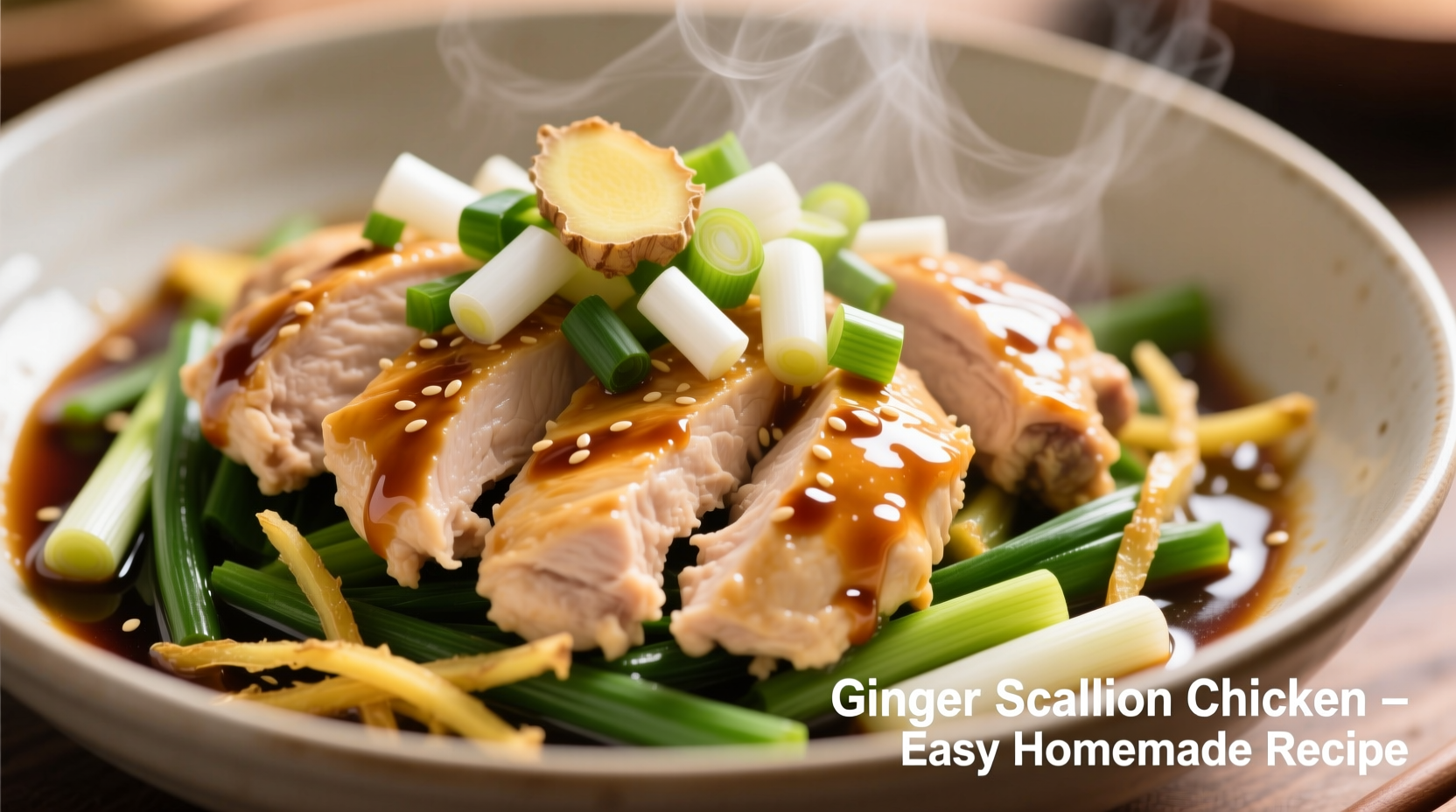
Ginger Scallion Chicken is a classic Chinese preparation originating from Guangdong province, where clarity of flavor and respect for ingredient quality are paramount. The dish consists of two primary components: tender, gently poached chicken and a pungent yet balanced condiment made from fresh ginger, scallions, salt, and hot oil. Unlike heavily spiced or sauced dishes, this recipe relies on pristine execution—cooking the chicken just until done while preserving its natural juiciness, then shocking it in ice water to tighten the skin and create a pleasing mouthfeel.
The accompanying ginger-scallion mixture is not merely a garnish; it's the soul of the dish. When properly prepared, the condiment delivers bright heat from raw ginger, grassy freshness from scallions, and a rich umami depth from the infusion of hot oil. It clings to the chicken without overwhelming it, enhancing rather than masking the meat’s delicate flavor.
This dish is often served cold or at room temperature, making it ideal for entertaining, meal prep, or inclusion in multi-course meals. Its simplicity belies its technical demands: overcooking ruins the texture, improper chilling leads to rubbery skin, and imbalanced seasoning can turn aromatic into abrasive. However, with careful attention, even novice cooks can produce restaurant-quality results.
Key Characteristics
| Attribute | Description |
|---|---|
| Flavor Profile | Clean, savory chicken enhanced by sharp ginger, mild onion sweetness from scallions, and toasted oil richness. |
| Aroma | Pronounced fragrance of fresh ginger and green onions, amplified by heated oil. |
| Texture | Silky, moist meat with slightly firm, gelatinous skin when chilled properly. |
| Temperature | Served cool or at room temperature for optimal texture contrast. |
| Culinary Function | Appetizer, dim sum item, or centerpiece in celebratory meals like Lunar New Year. |
| Shelf Life | Up to 3 days refrigerated; best consumed within 24 hours for peak texture and aroma. |
Practical Usage: Step-by-Step Preparation
Success with Ginger Scallion Chicken hinges on three phases: poaching the chicken correctly, preparing the condiment, and assembling with precision. Follow these steps for consistent results.
1. Selecting and Preparing the Chicken
Use a whole young chicken (3–4 lbs / 1.4–1.8 kg) for best results. Smaller birds have more tender meat and thinner skin, which responds better to quick poaching. Remove any giblets and excess fat. Rinse under cold water and pat dry inside and out. Trussing is optional but helps maintain shape during cooking.
Pro Tip: For easier slicing and more even cooking, consider removing the backbone and flattening the bird (spatchcocking), though traditionalists prefer whole poaching for presentation.
2. Poaching Technique
- Place the chicken in a stockpot large enough to hold it submerged. Add enough cold water to cover by 2 inches (5 cm).
- Add aromatics: one halved onion, 3 smashed garlic cloves, 2-inch piece of ginger (sliced), and a few sprigs of cilantro (optional).
- Bring to a gentle simmer over medium heat—do not boil rapidly. Once steam rises and small bubbles form around the edges (about 160–170°F / 71–77°C), reduce heat to low.
- Cook uncovered for 25–35 minutes, depending on size. To test doneness, insert a skewer into the thickest part of the thigh; juices should run clear with no pink tinge.
- Immediately remove the chicken and plunge it into an ice bath (equal parts ice and water) for 15–20 minutes. This stops the cooking process and firms up the skin.
The goal is just-cooked chicken—moist, juicy, and opaque throughout, with a slight translucency near the bone acceptable if using organic or air-chilled poultry. Overcooking leads to dryness and fiber separation.
3. Making the Ginger Scallion Sauce
The sauce is what transforms plain poached chicken into something extraordinary. Use only fresh, high-quality ingredients.
- ½ cup finely minced fresh ginger (about a 3-inch knob)
- ¾ cup thinly sliced scallions (green and white parts separated)
- 1½ tsp fine sea salt (adjust to taste)
- ½ cup neutral oil (peanut, canola, or avocado)
- Optional: 1 tsp light soy sauce or chicken broth for added depth
- In a heatproof bowl, combine minced ginger, sliced scallion whites, and salt.
- Heat oil in a small saucepan until shimmering and just below smoking point (about 350°F / 175°C).
- Pour hot oil over the ginger mixture—it should sizzle immediately. Stir once to distribute heat.
- Add scallion greens and optional soy sauce. Let sit for 5–10 minutes to meld flavors before serving.
The thermal shock extracts essential oils from the ginger and scallions, creating a vibrant, layered condiment. Avoid pre-mixing all scallions—the greens will darken and lose freshness if exposed to prolonged heat.
4. Carving and Serving
After chilling, drain the chicken and pat dry. Using a sharp knife, carve into neat pieces: halve lengthwise, remove legs and wings, then slice breast meat against the grain. Arrange on a platter, skin-side up, to showcase its glossy finish.
Serve the ginger-scallion sauce on the side or spooned lightly over the top. Accompany with steamed jasmine rice, pickled vegetables, or bok choy for a complete meal.
Service Note: In traditional settings, the sauce is placed in a small bowl in the center of the platter, allowing diners to dip as they eat. This preserves the chicken’s texture longer.
Variants & Types
While the standard version uses poached chicken, several regional and modern adaptations exist, each altering texture, flavor intensity, or method.
| Variant | Method | Best Used For |
|---|---|---|
| Steamed Ginger Scallion Chicken | Chicken is steamed instead of poached; retains more natural juices but lacks skin firmness. | Dry climates or when avoiding water-based cooking. |
| Roasted Version | Chicken roasted first, then coated in warm ginger-scallion oil. | Bolder flavor profiles; casual dining. |
| Shredded Cold Plate | Poached chicken shredded and tossed with sauce, sometimes with sesame oil or chili. | Appetizers, banquets, summer menus. |
| Vegetarian Adaptation | Tofu, seitan, or mushrooms replace chicken; sauce remains unchanged. | Plant-based diets; Buddhist cuisine. |
Each variant shifts the dish’s character. Steaming yields softer skin, roasting adds Maillard complexity, and shredding increases surface area for sauce adherence. Choose based on occasion, equipment, and desired outcome.
Comparison with Similar Ingredients
Ginger Scallion Chicken is sometimes confused with other Asian chicken dishes. Understanding distinctions ensures proper technique and expectations.
| Dish | Primary Cooking Method | Sauce Base | Texture Goal |
|---|---|---|---|
| Ginger Scallion Chicken | Poaching + chilling | Fresh ginger, scallions, hot oil | Silky, cool, firm skin |
| Hainanese Chicken Rice | Poaching (often with rice cooked in broth) | Chili-ginger-garlic paste, dark soy | Ultra-tender, jelly-like skin |
| Sichuan Boiled Chicken | Simmering in seasoned broth | Chili oil, Sichuan pepper, fermented black beans | Spicy-numbing, bold, room-temp |
| Korean Baekseolgi Dak | Steaming with minimal seasoning | Soy-vinegar dipping sauce | Delicate, fluffy, pale |
While Hainanese Chicken shares poaching techniques, its emphasis on rice and complex chili sauce differentiates it. Sichuan-style leans into heat and spice, whereas Ginger Scallion Chicken celebrates purity. Korean versions prioritize neutrality, letting the dipping sauce define the experience.
\"The mark of great poached chicken isn't how much flavor you add—it's how well you preserve what was already there.\" — Chef Ling Zhou, Hong Kong Culinary Institute
Practical Tips & FAQs
Q1: Can I use chicken parts instead of a whole bird?
A1: Yes, bone-in, skin-on thighs or breasts work well. Adjust poaching time: 15–20 minutes for thighs, 12–15 for breasts. Ice bath remains essential for texture.
Q2: My sauce tastes too sharp—how can I mellow it?
A2: Reduce raw ginger quantity or blanch it briefly in hot water before mincing. Alternatively, increase scallion ratio or add ½ tsp sugar to balance acidity.
Q3: Is there a substitute for fresh ginger?
A3: No direct substitute captures the same brightness. Ground ginger lacks freshness and becomes bitter when heated. Crystalized ginger introduces unwanted sweetness. Fresh is non-negotiable for authenticity.
Q4: How do I store leftovers?
A4: Keep chicken and sauce separate. Refrigerate chicken in an airtight container for up to 3 days. Sauce lasts 5 days refrigerated—reheat gently before serving to re-aromatize.
Q5: Why did my chicken turn out rubbery?
A5: Likely causes include overcooking, skipping the ice bath, or using older, frozen-thawed poultry. Young, fresh chickens respond best to quick poaching.
Q6: Can I make this ahead of time?
A6: Absolutely—and recommended. Poach and chill chicken up to 24 hours in advance. Prepare sauce 4–6 hours ahead to allow flavors to meld. Assemble just before serving.
Q7: What oil should I use?
A7: Neutral oils with high smoke points work best. Peanut oil is traditional for its mild nuttiness. Avoid olive oil (strong flavor) or unrefined coconut oil (solidifies when cool).
Checklist for Success:
- ✔ Use a fresh, small chicken (under 4 lbs)
- ✔ Maintain sub-boil simmer (no rolling boil)
- ✔ Shock immediately in full ice bath
- ✔ Mince ginger finely for maximum surface release
- ✔ Heat oil to correct temperature—shimmering, not smoking
- ✔ Season sauce adequately—salt enhances aroma perception
- ✔ Serve cool, never hot or icy cold
Summary & Key Takeaways
Ginger Scallion Chicken is a masterclass in restraint and precision. It demonstrates that profound flavor doesn’t require complexity—only care. By selecting quality ingredients, controlling temperature meticulously, and respecting the interplay between heat, oil, and aromatics, home cooks can achieve professional results.
The essence lies in balance: tender yet structured chicken, aromatic but not aggressive sauce, and clean finishing notes that invite repeat bites. Whether served as a centerpiece at a family dinner or broken down into components for weekly meal prep, this dish rewards attention to detail.
Remember: perfection comes not from adding more, but from doing less—better. Master the fundamentals—poaching time, chilling, oil temperature, and seasoning—and you’ll unlock a timeless preparation that speaks volumes through silence.
Try it this week: Make a half batch using chicken thighs. Practice the sauce technique, adjust ratios to your taste, and serve over rice. Note how the oil infusion changes after 10 minutes versus 30. Small experiments lead to big improvements.




 浙公网安备
33010002000092号
浙公网安备
33010002000092号 浙B2-20120091-4
Comments
No comments yet. Why don't you start the discussion?