
A well-organized pantry doesn’t just look clean—it saves time, reduces food waste, and helps you make smarter grocery decisions. One of the most effective yet underused methods for maintaining pantry order is organizing by expiration date. When items are arranged so that the oldest ones are used first, you avoid the common problem of discovering expired goods months after they’ve passed their shelf life. This method, known as First Expired, First Out (FEFO), is widely used in commercial kitchens and can be adapted seamlessly to home use. With a few strategic steps, clear labeling, and consistent habits, you can transform your pantry into an efficient, low-waste storage system.
Why Expiration-Based Organization Matters
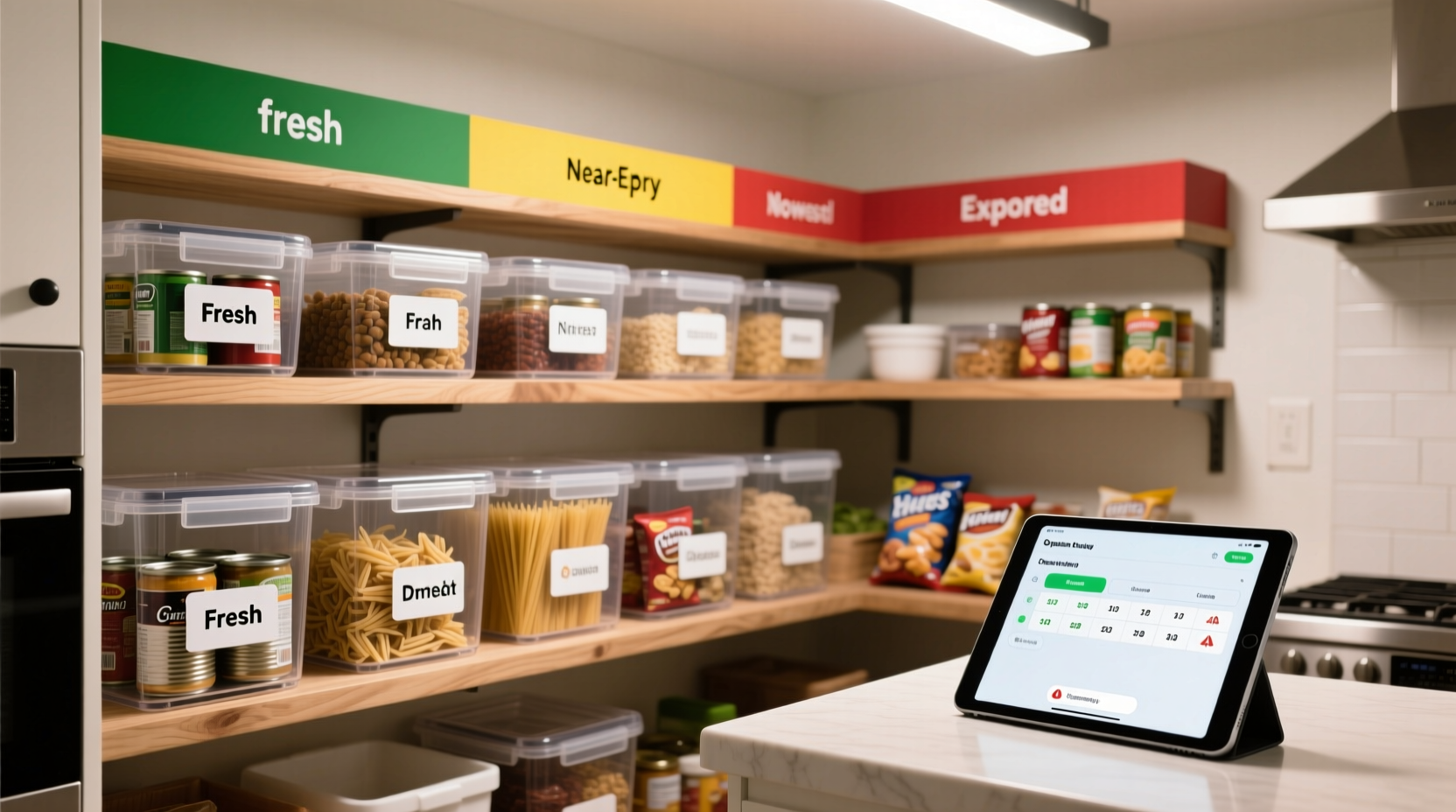
Food waste is a significant issue—U.S. households discard nearly 30–40% of their food supply annually, according to the USDA. Much of this waste comes from overlooked or forgotten pantry items. Organizing by expiration date directly combats this by increasing visibility and accountability for what you own. It also supports better meal planning, since you’ll always know which ingredients need to be used soon.
From a health perspective, consuming expired dry goods like spices, canned foods, or grains may not always cause illness, but it often results in diminished flavor, texture, or nutritional value. Some items, such as baking powder or canned beans stored past their prime, can lose potency or develop off-flavors. By prioritizing older stock, you ensure quality and safety with every meal.
Step-by-Step Guide to Organizing Your Pantry by Expiration Date
Transforming your pantry using expiration dates as the primary sorting criterion requires more than just rearranging shelves. It involves inventory, categorization, labeling, and ongoing maintenance. Follow these steps to create a sustainable system.
- Empty the pantry completely. Remove every item, placing them on a counter or table. This allows you to see everything at once and prevents overlooking hidden or buried products.
- Sort by category. Group similar items: canned goods, pasta, rice, snacks, baking supplies, sauces, etc. This makes it easier to manage expiration dates within manageable sections.
- Check all expiration dates. Flip each package over and record or mentally note the date. Discard anything expired. Consider donating unopened, non-perishable items close to expiration if they’re still safe.
- Label with visible dates. Use a marker or label maker to write the expiration date on the front of packages, especially if it’s printed in small font or on the bottom. For bulk items, add a sticker or tape with the date purchased and expected expiry.
- Reorganize shelves using the FEFO method. Place newer items behind older ones so the oldest are always in front and most accessible. Use tiered shelf risers to maintain visibility.
- Assign zones. Designate specific areas for categories (e.g., breakfast items on one shelf, soups on another). Within each zone, maintain the front-to-back expiration order.
- Create a “Use Soon” section. Dedicate a small bin or shelf near eye level for items expiring within the next 2–4 weeks. Rotate this weekly.
Tools and Containers for Maximum Efficiency
While expiration dates guide usage, proper storage containers enhance visibility and protection. Transferring dry goods into clear, airtight containers not only keeps food fresher longer but also makes dates easy to read.
| Item Type | Recommended Container | Labeling Tip | Max Shelf Life Extension |
|---|---|---|---|
| Pasta, rice, flour | Clear airtight bins with wide mouths | Write both purchase and expiration date | +3–6 months |
| Canned goods | Leave in original cans; group in baskets | Stick label on top with expiry date | Unchanged, but easier tracking |
| Snacks & chips | Clip-top resealable bags or bins | Use color-coded labels by week | +1–2 months |
| Spices & herbs | Small glass jars with shaker lids | Include purchase date and replacement reminder | +6–12 months |
Investing in stackable bins, lazy Susans, or adjustable shelf dividers can further improve access and prevent overcrowding. The goal is to eliminate blind spots where expired items might hide.
Real Example: How the Thompson Family Reduced Waste by 60%
The Thompsons, a family of four in Portland, struggled with recurring pantry clutter and frequent disposal of stale cereal, expired broth, and forgotten spice blends. After implementing an expiration-based system, they saw dramatic improvements.
They began with a full pantry purge, removing $78 worth of expired or unused items. Next, they categorized everything and transferred grains, sugars, and flours into uniform clear containers labeled with bright red markers indicating expiration dates. They installed two tiered shelf risers for canned vegetables and sauces, ensuring older cans were always in front.
Every Sunday, they conduct a 10-minute “pantry scan,” reviewing the “Use Soon” bin and planning meals around those ingredients. Within three months, their grocery spending dropped by 18%, and food waste decreased by over half. “We finally stopped buying duplicates because we could actually see what we had,” said Sarah Thompson, who now shares her system with neighbors.
Expert Insight on Food Safety and Rotation
“Most people don’t realize that even shelf-stable foods degrade over time. Organizing by expiration isn’t just about avoiding spoilage—it’s about preserving taste, nutrition, and confidence in what you’re feeding your family.” — Dr. Lena Patel, Food Safety Specialist, University of California Cooperative Extension
Dr. Patel emphasizes that while many dry goods remain safe past their printed dates, their quality diminishes. Baking soda loses leavening power, oils go rancid, and dehydrated foods absorb moisture and odors. Regular rotation ensures optimal performance in recipes and reduces the risk of subtle spoilage.
Common Mistakes to Avoid
- Ignoring frozen or refrigerated pantry items. Some pantries include frozen staples (like waffles or frozen fruit) or refrigerated condiments. These should also be tracked for expiration, ideally on a separate list or fridge calendar.
- Over-relying on printed dates. “Best by” dates are guidelines, not hard rules. Use your senses—smell, texture, color—to assess actual condition, especially for dry goods.
- Failing to update after restocking. Always place new purchases behind existing stock. It’s tempting to shove new boxes to the front, but this defeats the entire system.
- Not scheduling routine checks. Even the best system fails without maintenance. Set a biweekly reminder to review upcoming expirations and adjust meal plans accordingly.
Checklist: Pantry Expiration Organization Routine
Use this checklist monthly to keep your system running smoothly:
- ☐ Remove all expired or stale items
- ☐ Wipe down shelves and containers
- ☐ Verify expiration labels are visible and accurate
- ☐ Reapply FEFO order: oldest in front, newest in back
- ☐ Update the “Use Soon” bin with items expiring in the next 30 days
- ☐ Check container seals and replace damaged ones
- ☐ Review shopping list for duplicates or missing essentials
- ☐ Note any patterns (e.g., always wasting canned tomatoes) to adjust future buying habits
Frequently Asked Questions
Do I need to track expiration dates for all pantry items?
Yes, but prioritize perishable dry goods like nuts, seeds, whole-grain flours, and opened packages. Items like sugar, salt, and dried beans last indefinitely but still benefit from rotation for quality. Focus on anything with a “best by” date or potential for rancidity.
What if the expiration date is missing or hard to find?
If a product lacks a clear date, research average shelf life online. For example, unopened white rice lasts 2 years, while brown rice lasts 6–8 months due to its oil content. When in doubt, mark the purchase date and assume a conservative expiry window based on the food type.
Can I use technology to help track pantry dates?
Absolutely. Apps like PantryCheck, NoWaste, or Fridgely allow you to scan barcodes and receive alerts before items expire. Pair digital tracking with physical organization for maximum efficiency. However, low-tech solutions like a master list on the pantry door work just as well if consistently updated.
Maintaining the System Long-Term
The key to lasting success is integration into daily routines. Make expiration checks part of your grocery unpacking process. As you bring in new items, immediately check the date, label if necessary, and place them behind older stock. This takes less than a minute per item but prevents disorganization from creeping back in.
Encourage household members to participate. Teach children to grab items from the front of the shelf, reinforcing the FEFO principle. Post a simple visual guide inside the pantry door: “Older Here → Newer Behind.” Consistency turns the system into habit.
Seasonal deep cleans—once per quarter—are also recommended. Use these sessions to reassess categories, donate surplus, and refresh labels. Over time, you’ll notice fewer last-minute grocery runs, less stress around meals, and a greater sense of control over your kitchen environment.
Final Thoughts: Turn Organization Into a Lifestyle
Organizing your pantry by expiration date isn’t a one-time chore—it’s a shift toward mindful consumption. It reflects a deeper intention to respect resources, reduce waste, and care for your household’s well-being. The initial effort pays dividends in saved money, improved meal quality, and peace of mind.
Start small if needed. Begin with one shelf or category, master the process, then expand. Use the tools and strategies outlined here to build a system tailored to your lifestyle. Whether you live alone, feed a growing family, or manage a busy household, a date-driven pantry brings clarity and efficiency to everyday living.




 浙公网安备
33010002000092号
浙公网安备
33010002000092号 浙B2-20120091-4
Comments
No comments yet. Why don't you start the discussion?