
Tooth sensitivity affects millions of people worldwide. That sharp, sudden pain when sipping ice water or biting into a cold apple isn’t just uncomfortable—it can disrupt daily life. While desensitizing toothpastes are widely marketed as a solution, not all products deliver results, and many come with inflated price tags. The truth is, you don’t need to spend premium prices to find relief. With the right knowledge, you can choose an effective, affordable toothpaste that genuinely works—without falling for marketing hype or unnecessary additives.
Understanding Tooth Sensitivity: What Causes It?
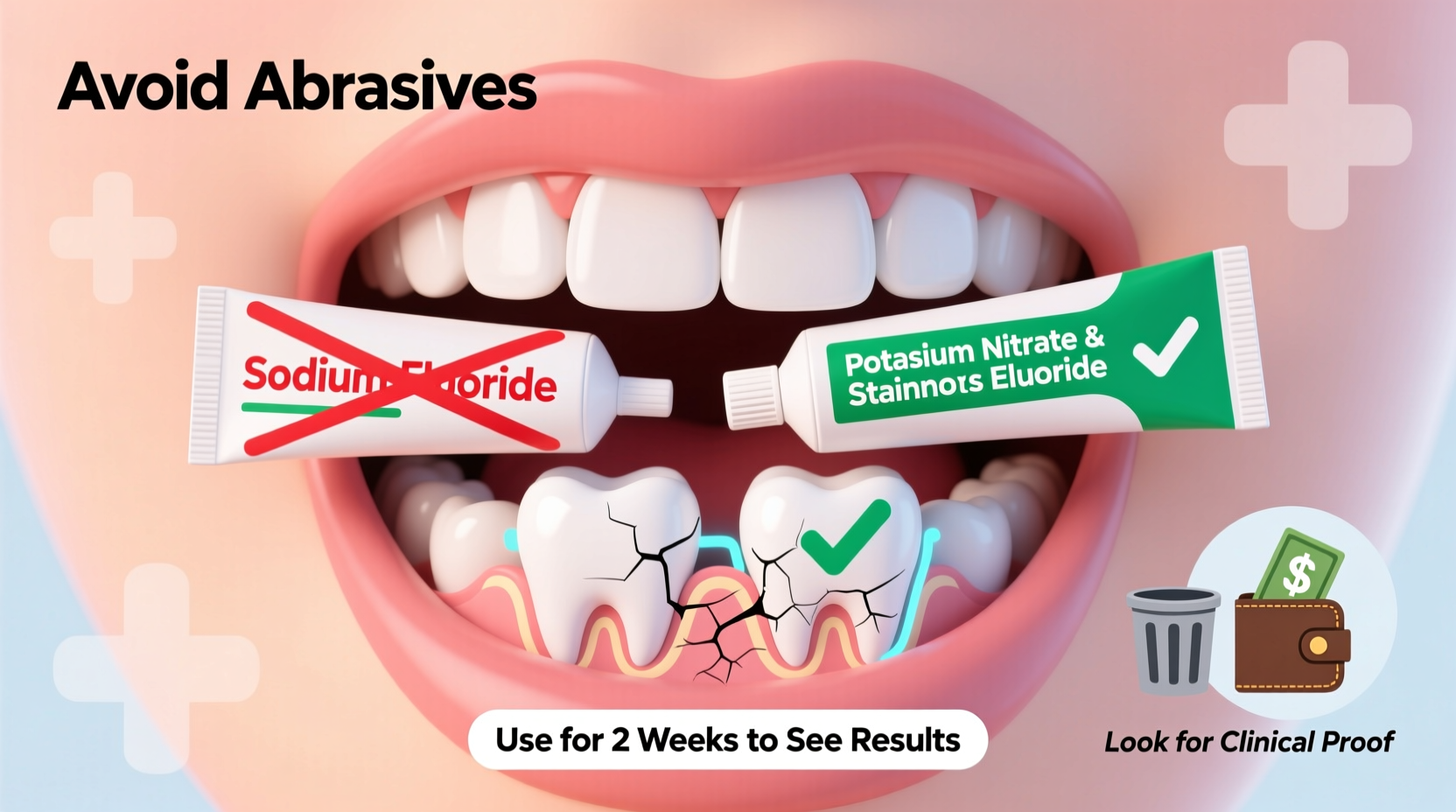
Tooth sensitivity occurs when the protective layers of your teeth—enamel on the crown or cementum on the root—are worn down, exposing the underlying dentin. Dentin contains tiny tubules that lead directly to the nerve, making it highly responsive to temperature, pressure, and acidity.
Common causes include:
- Enamel erosion from acidic foods and drinks
- Gum recession due to aging, aggressive brushing, or periodontal disease
- Tooth grinding (bruxism)
- Recent dental procedures like whitening or scaling
- Cracked or chipped teeth
Because sensitivity stems from exposed dentin, the goal of any effective toothpaste is to either block those microscopic tubules or desensitize the nerve response. Understanding this mechanism is key to selecting a product that targets the root cause—not just masks symptoms.
Key Ingredients That Work: What to Look For
Not all toothpastes labeled “for sensitive teeth” are created equal. The real difference lies in active ingredients proven by clinical research to reduce sensitivity over time.
Potassium Nitrate
This ingredient penetrates the dentinal tubules and helps calm the nerve inside the tooth. It doesn't provide instant relief but typically reduces sensitivity within 2–4 weeks of twice-daily use. Found in many leading brands, potassium nitrate is one of the most studied and trusted actives for long-term desensitization.
Stannous Fluoride
More than just a fluoride source, stannous fluoride forms a protective barrier over exposed dentin while also fighting cavities and gum inflammation. Unlike sodium fluoride, it has antimicrobial properties and physically occludes tubules. Some users report a metallic taste, but modern formulations have improved significantly.
Arginine + Calcium Carbonate
A newer formulation, often seen in products like Colgate Sensitive Pro-Relief, uses arginine (an amino acid) combined with calcium carbonate to plug open tubules instantly. This system works quickly and continues to build protection with regular use. Clinical studies show significant reduction in sensitivity after just one application.
Novamin (Calcium Sodium Phosphosilicate)
Originally developed for biomedical applications, Novamin reacts with saliva to form a hydroxyapatite-like layer over exposed dentin—essentially rebuilding a portion of the lost mineral structure. It’s effective but often found in higher-priced toothpastes, so consider whether the added cost is justified for your needs.
“Patients often switch toothpastes too quickly. Most desensitizing agents require consistent use for at least three to four weeks before noticeable improvement.” — Dr. Linda Chen, Restorative Dentistry Specialist
Smart Shopping: How to Avoid Overpaying
The oral care aisle is filled with options, many priced far above their actual value. Premium branding, celebrity endorsements, and \"natural\" labels don’t necessarily mean better performance. Here’s how to shop wisely.
Compare Cost Per Use, Not Price Per Tube
A $10 small tube may seem cheaper than a $15 large one, but if the larger size lasts twice as long, it’s actually more economical. Calculate the cost per brushing to make fair comparisons.
Beware of Marketing Traps
Terms like “dentist recommended,” “natural,” or “whitening” are often used to justify higher prices. Whitening agents like hydrogen peroxide can actually worsen sensitivity. “Natural” doesn’t mean safer or more effective—some plant-based abrasives are too harsh for sensitive teeth.
Store Brands vs. Name Brands
Many store-brand sensitivity toothpastes contain the same active ingredients as their pricier counterparts. CVS Health, Kirkland Signature (Costco), and Up & Up (Target) offer potassium nitrate-based formulas at 30–50% lower cost. Always check the Drug Facts label to confirm active ingredients match.
Look for Dual Benefits
Choose a toothpaste that combines sensitivity relief with cavity protection. Stannous fluoride, for example, addresses both concerns. This eliminates the need for multiple specialized products, saving money and simplifying your routine.
| Ingredient | How It Works | Time to Relief | Typical Price Range (USD) |
|---|---|---|---|
| Potassium Nitrate | Desensitizes nerve endings | 2–4 weeks | $4–$8 |
| Stannous Fluoride | Occludes tubules + anti-cavity | 3–6 weeks | $5–$10 |
| Arginine + Calcium | Seals tubules immediately | After first use | $7–$12 |
| Novamin | Rebuilds mineral layer | 4+ weeks | $10–$15 |
Step-by-Step Guide to Choosing Your Toothpaste
Follow this practical process to make a confident, cost-effective decision.
- Assess your sensitivity level. Is it triggered by cold, heat, sweets, or pressure? Mild, occasional discomfort may respond well to OTC options. Severe or persistent pain warrants a dental visit first.
- Check your current toothpaste. Review the ingredients. If it lacks potassium nitrate, stannous fluoride, or arginine, it likely isn’t formulated for true desensitization.
- Identify your priorities. Do you want fast relief (choose arginine)? Long-term nerve calming (potassium nitrate)? Or dual protection against cavities and sensitivity (stannous fluoride)?
- Compare three options. Pick one name brand, one store brand, and one mid-tier option with your preferred active ingredient. Compare cost per ounce and user reviews focused on effectiveness, not flavor.
- Try one consistently for 4 weeks. Use it twice daily, brushing gently with a soft-bristled brush. Don’t rinse thoroughly after brushing—leave a film of paste on your teeth for prolonged contact.
- Evaluate results. Rate your sensitivity on a scale of 1–10 before and after the trial. If no improvement, repeat with another formula. Keep notes to avoid cycling aimlessly through products.
Real Example: Sarah’s Smart Switch
Sarah, a 38-year-old teacher from Portland, struggled with cold sensitivity for years. She rotated between high-end sensitivity toothpastes, spending over $200 annually. Frustrated, she consulted her hygienist, who suggested switching to a potassium nitrate-based store brand.
She tried Kirkland Signature Sensitivity Relief at $7.49 for a 5.3 oz tube—half the price of her usual brand. After four weeks of consistent use, her sensitivity dropped from an 8/10 to a manageable 3/10. She now buys in bulk, saving over $150 a year without sacrificing comfort.
“I wasted years thinking expensive meant better,” she said. “Now I look at the back of the tube, not the front.”
What to Avoid: Common Mistakes When Buying
Even with good intentions, consumers often make choices that delay relief or increase costs.
- Switching too frequently. Giving a product only a few days before abandoning it prevents active ingredients from working.
- Using abrasive toothpastes. Baking soda, charcoal, or strong whitening agents can erode enamel further, worsening sensitivity.
- Brushing too hard. Aggressive brushing accelerates gum recession. Pair your toothpaste with a soft-bristled brush and gentle circular motions.
- Ignoring dental causes. Cavities, cracked teeth, or leaking fillings can mimic sensitivity. A dentist can diagnose and treat these issues permanently.
“Spending more doesn’t guarantee faster relief. In my practice, I see patients get excellent results with $6 toothpastes when used correctly.” — Dr. Rajiv Mehta, General Dentist with 18 Years Experience
FAQ: Your Top Questions Answered
Can I use sensitive toothpaste every day?
Yes. Most desensitizing toothpastes are safe for daily, long-term use. They’re formulated to be low-abrasion and compatible with regular brushing habits. However, if you experience irritation or changes in taste, discontinue use and consult your dentist.
Do natural toothpastes work for sensitive teeth?
Few do. Most natural brands lack clinically proven desensitizing agents like potassium nitrate or stannous fluoride. Some rely on ingredients like hydroxyapatite, which shows promise but lacks the extensive research backing traditional actives. Proceed with caution and verify ingredient efficacy independently.
Why isn’t my toothpaste working after two weeks?
Two weeks may not be enough. Potassium nitrate, for example, requires consistent exposure over 3–4 weeks to penetrate and calm nerves. Ensure you’re using it twice daily without rinsing excessively. If there’s still no improvement after a month, try a different active ingredient or seek professional evaluation.
Final Checklist Before You Buy
Before purchasing a sensitivity toothpaste, ask yourself:
- ✅ Does it list potassium nitrate, stannous fluoride, arginine, or Novamin as an active ingredient?
- ✅ Is the cost per use reasonable compared to alternatives?
- ✅ Does it avoid harsh abrasives or whitening agents?
- ✅ Have I given a similar product a full 4-week trial before switching?
- ✅ Have I ruled out underlying dental issues with a professional checkup?
Conclusion: Make Smarter Choices, Save Money, Feel Better
Picking the right toothpaste for sensitive teeth doesn’t require expensive solutions or endless trial and error. By understanding what ingredients truly work, avoiding marketing gimmicks, and testing products methodically, you can find lasting relief without overspending. Remember, consistency matters more than cost. A $6 tube used properly will outperform a $15 one abandoned after three days.
Your teeth deserve effective care—but you deserve value, too. Take control of your oral health with informed decisions, and stop letting sensitivity—or unnecessary expenses—hold you back.




 浙公网安备
33010002000092号
浙公网安备
33010002000092号 浙B2-20120091-4
Comments
No comments yet. Why don't you start the discussion?