
Ink stains on a fabric couch can be one of the most distressing household mishaps—especially when they appear suddenly from a leaking pen or a child’s creative moment. The instinct might be to reach for bleach, but that carries serious risks: discoloration, fiber degradation, and potential damage to delicate upholstery fabrics. Fortunately, there are proven, bleach-free methods that effectively lift ink from fabric without compromising the integrity or appearance of your furniture. With the right approach, timing, and materials, even stubborn ink marks can be removed safely and efficiently.
Understanding Fabric Couch Materials
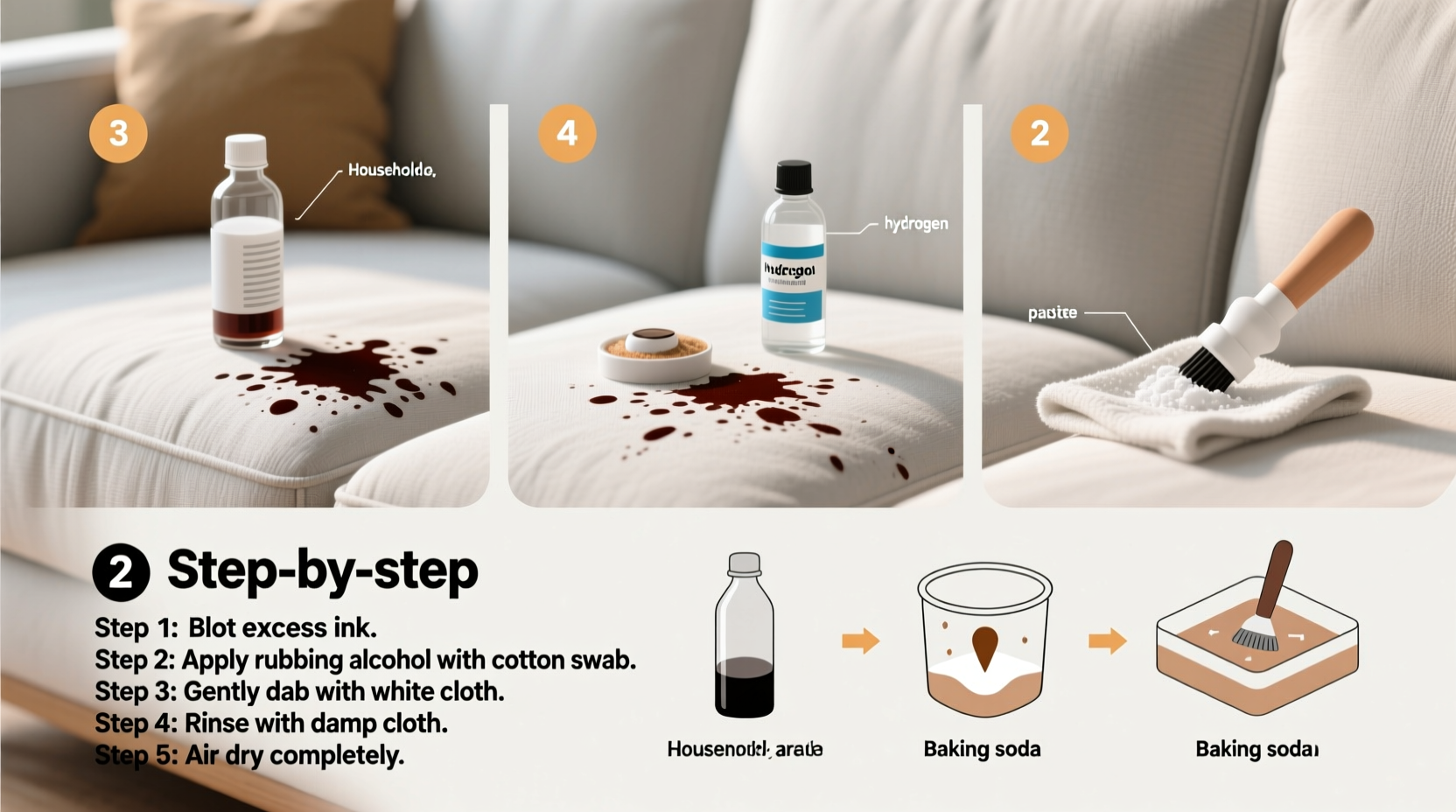
Before attempting any stain removal, it's crucial to identify the type of fabric used in your couch. Different textiles react differently to cleaning agents. Common upholstery fabrics include cotton, polyester, microfiber, linen blends, and velvet. Each has varying levels of absorbency and sensitivity to moisture and chemicals.
Check the manufacturer’s tag, usually located underneath the cushions or on the back of the sofa. Look for cleaning codes:
- W – Water-based cleaners are safe
- S – Solvent-based cleaners only (no water)
- WS – Both water and solvent cleaners acceptable
- X – Vacuum or brush only; no liquids
If your couch is labeled “S” or “X,” avoid water-heavy solutions. For “W” and “WS,” you have more flexibility with household remedies.
Immediate Actions After Ink Spills
The first few minutes after an ink spill are critical. Quick response prevents the stain from setting deeply into the fibers. Follow these immediate steps:
- Blot, don’t rub. Use a clean, dry paper towel or cloth to gently absorb excess ink. Rubbing spreads the ink and pushes it deeper.
- Contain the area. Place paper towels under the stained section if possible to catch any seepage through the fabric.
- Avoid heat. Do not use hairdryers or place the area near heaters—heat sets stains permanently.
- Act fast. Fresh ink is water-soluble (in many pens), making early treatment far more effective than waiting hours or days.
Step-by-Step Guide: Removing Ink Without Bleach
Below is a detailed, stepwise process suitable for most water-safe fabric couches (coded W or WS). These methods rely on common household products known for their gentle yet effective stain-lifting properties.
Method 1: Rubbing Alcohol (Isopropyl Alcohol)
Rubbing alcohol is one of the most effective solvents for breaking down ink pigments without damaging fabric, provided it's used correctly.
- Dampen a cotton ball or white cloth with 70% isopropyl alcohol. Avoid soaking the fabric.
- Gently dab the stain from the outside inward to prevent spreading.
- As the ink lifts, transfer it onto a clean part of the cloth.
- Rinse the area by dabbing with a cloth dampened with cold water.
- Blot dry with a clean towel and allow to air dry completely.
Method 2: Hairspray (Alcohol-Based)
Some hairsprays contain ethanol or isopropyl alcohol, which can dissolve ink. Choose an alcohol-based formula (check ingredients).
- Spray a small amount directly onto the stain—do not oversaturate.
- Wait 30 seconds for the alcohol to break down the ink.
- Dab with a clean cloth to lift the residue.
- Follow with a damp cloth to remove product buildup.
- Allow to dry naturally.
Method 3: Dish Soap and Milk Solution
This gentler method works well for delicate fabrics or older stains where alcohol may be too harsh.
- Mix one tablespoon of mild dish soap with half a cup of whole milk.
- Dip a soft cloth into the solution and gently dab the stain.
- Milk helps emulsify the ink while soap lifts it from fibers.
- Rinse with a water-dampened cloth.
- Pat dry and ventilate the area to speed drying.
Method 4: White Vinegar and Baking Soda Paste
For set-in stains, this combination can help lift pigment through mild abrasion and acid action.
- Create a paste using two tablespoons of baking soda and one tablespoon of white vinegar.
- Apply sparingly to the stain with a soft toothbrush, gently working in circular motions.
- Let sit for 5–10 minutes.
- Blot with a damp cloth to remove residue.
- Dry thoroughly—moisture left behind can lead to mildew.
“Alcohol-based solutions remain the gold standard for ink removal on washable fabrics, but always prioritize fabric compatibility over speed.” — Dr. Lena Pruitt, Textile Restoration Specialist
Do’s and Don’ts of Ink Stain Removal
| Do’s | Don’ts |
|---|---|
| Test solutions on hidden areas first | Use bleach or ammonia-based cleaners |
| Blot stains gently with absorbent material | Rub aggressively—it spreads the ink |
| Work from the outside inward | Soak the fabric excessively |
| Use cold water for rinsing | Apply heat before the stain is gone |
| Ventilate the room during cleaning | Ignore manufacturer’s cleaning codes |
Real Example: Recovering a Family Couch After a Pen Accident
Sarah from Portland noticed a dark blue ink stain on her beige microfiber sofa after her son dropped a pen. She acted quickly—within 10 minutes—and followed the rubbing alcohol method. Using a cotton pad, she dabbed the area gently, changing pads as they absorbed ink. After five minutes of careful work, the stain was nearly invisible. She rinsed with a slightly damp cloth and let the couch air dry near an open window. A week later, there was no sign of the incident. Sarah credits her success to prompt action and avoiding bleach, which she feared would leave a pale ring.
This case highlights how timing and correct technique outweigh the need for harsh chemicals. Microfiber, being tightly woven and often stain-resistant, responded well to a simple solvent without damage.
When to Seek Professional Help
While home remedies work for most fresh stains, some situations require professional upholstery cleaning:
- The stain covers a large area or has been left untreated for over 24 hours.
- The fabric is silk, wool, or another delicate material.
- Home attempts have caused discoloration or texture changes.
- Your couch has a “S” or “X” cleaning code, limiting DIY options.
Professional cleaners use specialized solvents and extraction tools that lift stains without over-wetting the padding beneath. They also apply protective treatments post-cleaning to guard against future spills.
Frequently Asked Questions
Can I use hand sanitizer to remove ink from my couch?
Yes, in a pinch. Most hand sanitizers contain high concentrations of alcohol, which breaks down ink. Apply a small amount to a cloth (not directly to fabric), then dab the stain gently. Follow with a water rinse and dry thoroughly.
What if the ink stain remains after trying alcohol?
Set-in stains may require multiple treatments. Repeat the process every few hours, allowing the fabric to dry between attempts. If the stain persists, consider a commercial upholstery cleaner labeled safe for ink removal, or consult a professional.
Will vinegar damage my fabric couch?
White vinegar is generally safe for most water-safe fabrics when diluted. However, it should never be used on natural fibers like wool or silk, as acidity can weaken proteins in the fibers. Always test first and avoid repeated applications.
Prevention Tips for Future Protection
Once the stain is gone, take steps to reduce the risk of recurrence:
- Keep pens capped and stored away from seating areas.
- Use washable markers instead of permanent ones around children.
- Apply fabric protector sprays that create a barrier against spills.
- Rotate cushions regularly to distribute wear and catch stains early.
Final Checklist: Ink Stain Removal at a Glance
- Identify the fabric type and cleaning code.
- Blot excess ink immediately—do not rub.
- Test chosen solution on a hidden area.
- Select appropriate method: alcohol, hairspray, milk-soap mix, or vinegar-baking soda.
- Apply gently with a white cloth or cotton ball.
- Rinse with cold water and blot dry.
- Air dry completely before use.
- Repeat if necessary or consult a professional.
Conclusion: Preserve Your Furniture Naturally
Removing ink from a fabric couch doesn’t require bleach or expensive products. With everyday items like rubbing alcohol, dish soap, and vinegar, you can tackle most stains effectively and safely. The key lies in quick action, proper technique, and respect for your fabric’s limitations. By avoiding harsh chemicals, you protect both the appearance and longevity of your upholstery. Most importantly, confidence comes from knowing you have reliable, non-destructive methods at hand.




 浙公网安备
33010002000092号
浙公网安备
33010002000092号 浙B2-20120091-4
Comments
No comments yet. Why don't you start the discussion?