
Suede boots are timeless, stylish, and often become wardrobe staples after just a few wears. But over time, especially in harsh weather or with frequent use, the toe caps and heel counters—the \"ends\"—can dry out, stiffen, and lose their soft texture. When this happens, many people assume it’s time for a replacement. That’s rarely true. With proper care and targeted restoration techniques, even severely dried-out suede can be revived. This guide walks through practical, cost-effective methods to restore life to your favorite boots using tools you likely already have at home.
Understanding Suede and Why It Dries Out
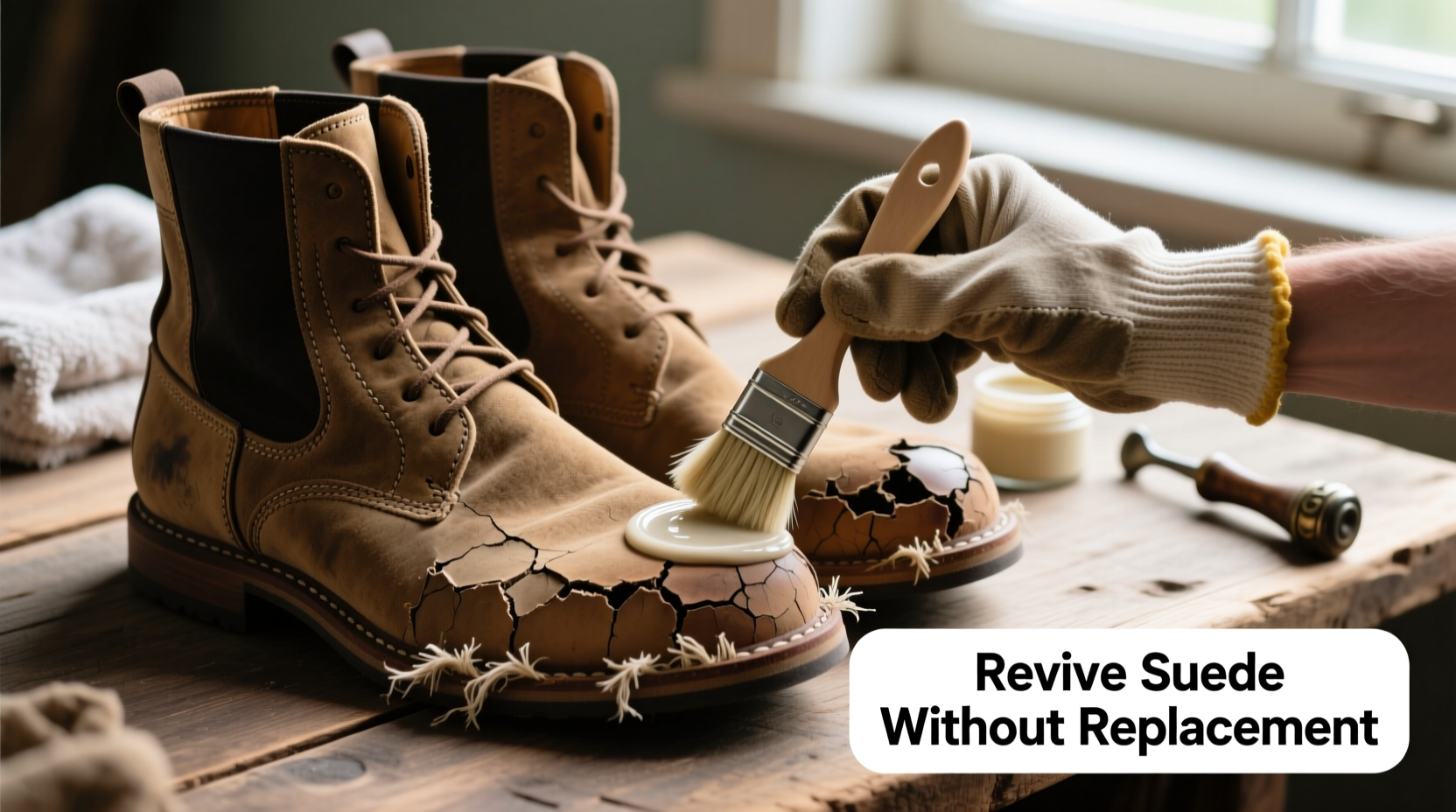
Suede is made from the underside of animal hides, typically lamb, calf, or goat, giving it a soft, napped surface. Unlike full-grain leather, suede has exposed fibers that absorb moisture and oils easily—but also lose them just as quickly. Exposure to sunlight, low humidity, salt, water, and lack of conditioning accelerates drying. The ends of boots endure the most stress: constant flexing, contact with pavement, and exposure to environmental elements. As moisture evaporates, the fibers tighten and stiffen, leading to cracking if untreated.
Reviving dry suede isn’t about masking damage—it’s about restoring flexibility and nap integrity. The goal is to rehydrate the fibers gently while lifting the surface texture back to its original plushness.
“Suede doesn’t fail because it’s weak—it fails because it’s misunderstood. Most damage comes from neglect, not wear.” — Marcus Hale, Footwear Restoration Specialist with 20+ years in luxury shoe care
Step-by-Step Guide to Revive Dry Suede Ends
Restoring dry suede requires patience and precision. Rushing the process can cause further damage. Follow this timeline-based method for best results:
- Day 1: Clean & Assess
Carefully remove surface dirt using a suede brush or eraser. Check the extent of dryness and stiffness. - Day 1 (Evening): Apply Steam
Hold the dry areas above steam for 10–15 seconds per spot to gently reintroduce moisture. - Day 2: Brush & Restore Nap
Use a brass or nylon suede brush to lift flattened fibers. Work in one direction, then reverse. - Day 3: Condition Lightly
Apply a minimal amount of specialized suede conditioner with a lint-free cloth. - Day 4: Protect & Maintain
Apply a waterproofing spray designed for suede to prevent future drying.
This gradual approach prevents shock to the material and allows fibers to reabsorb moisture naturally.
Essential Tools and Products You’ll Need
You don’t need expensive gear to revive suede. Most items are affordable and reusable across multiple pairs. Here’s what works best:
- Suede brush (preferably dual-sided: brass and nylon)
- Suede eraser (for lifting stains and smoothing rough patches)
- Steam source (kettle, garment steamer, or shower steam)
- Suede conditioner (water-based, non-greasy formula)
- Soft lint-free cloths (microfiber or cotton)
- Suede protector spray (silicone-free, breathable)
- Pencil eraser (standard) – useful for minor scuffs
Avoid household cleaners, vinegar, or alcohol-based products—they strip natural oils and worsen dryness.
Do’s and Don’ts When Treating Dry Suede
| Do’s | Don’ts |
|---|---|
| Use gentle steam to rehydrate fibers | Soak suede in water or scrub with wet cloths |
| Brush in one direction, then reverse to lift nap | Use wire brushes or abrasive pads |
| Apply conditioner sparingly with a cloth | Over-apply oils or conditioners meant for smooth leather |
| Let boots dry naturally at room temperature | Place near radiators, heaters, or direct sunlight |
| Store in breathable cotton bags away from moisture | Keep in plastic bins where condensation builds |
Following these guidelines ensures you’re helping—not harming—the delicate structure of suede.
Real Example: Reviving a Seasoned Pair of Chelsea Boots
Consider Sarah, a graphic designer in Portland, Oregon. Her black suede Chelsea boots were her go-to pair for two winters. By early spring, the toes had turned stiff and pale, with visible cracks forming along the creases. She was ready to donate them until she tried a four-day revival process.
She started by brushing the toes with a brass-bristle suede brush, removing embedded dust. Then, she held the boots 6 inches above her tea kettle’s steam for short bursts. After steaming, she wrapped the toes in a dry microfiber cloth and let them rest overnight. On day two, she brushed again—this time noticing the nap beginning to fluff. She applied a pea-sized amount of water-based suede conditioner using a circular motion. By day four, she sprayed a light coat of protector and wore them briefly around the house to encourage natural flexing.
Two weeks later, the boots looked rejuvenated. The cracks softened, and the color deepened. More importantly, they remained comfortable and functional. Sarah saved $180—and extended the life of a beloved pair.
Tips for Preventing Future Drying
Once restored, maintaining suede is easier than repairing it. Incorporate these habits into your routine:
- Condition every 4–6 weeks during heavy use seasons (fall/winter).
- Brush weekly to maintain nap and remove debris before it embeds.
- Reapply protector spray monthly, especially after cleaning or exposure to rain.
- Avoid wearing suede in heavy rain or snow. If caught in moisture, stuff with paper and air-dry slowly.
- Store with cedar shoe trees to absorb moisture and retain shape.
Preventative care reduces long-term wear and keeps suede supple far longer than reactive fixes ever can.
Frequently Asked Questions
Can I use regular leather conditioner on suede?
No. Traditional leather conditioners contain oils that penetrate deeply and can darken or stain suede permanently. Always use a product specifically labeled for suede or nubuck. These are water-based and designed to moisturize without compromising the nap.
What if my suede has already cracked?
Minor surface cracks can often be improved with steaming and conditioning. Deep fissures may not fully disappear but can be stabilized to prevent spreading. In such cases, focus on halting deterioration rather than complete reversal. A professional cobbler may offer dye-fill solutions for cosmetic improvement.
How long does the revival process take?
Allow 3–5 days for full results. While cleaning and steaming can be done in a single session, rushing conditioning and drying risks uneven absorption or mildew. Patience yields better texture recovery and durability.
Checklist: Reviving Dry Suede Ends in 5 Steps
- ✔️ Clean the surface with a suede brush and eraser
- ✔️ Gently steam the dry areas (10–15 seconds per spot)
- ✔️ Let boots rest overnight, wrapped in a dry cloth
- ✔️ Brush thoroughly to restore the nap (use directional strokes)
- ✔️ Apply a small amount of suede-specific conditioner and finish with protector spray
Follow this checklist whenever you notice stiffness or fading at the toe or heel. Early intervention leads to faster recovery.
When to Seek Professional Help
Home remedies work well for moderate dryness. However, consider visiting a skilled cobbler or specialty boot restorer if:
- The leather is splitting or separating from the sole
- There’s mold or persistent odor despite cleaning
- Previous DIY attempts caused discoloration or stiffness
- The boots are high-value (designer or vintage) and warrant expert handling
Professionals have access to industrial-grade steamers, pH-balanced solutions, and recoloring dyes that can achieve superior results. A $30–$60 service might extend your boots’ life by several years.
“People throw out boots not because they’re ruined, but because they don’t know how to talk to the material. Suede responds to care—it remembers how to be soft.” — Lena Torres, Master Cobbler at Heritage Sole Co.
Conclusion
Dry ends on suede boots don’t mean the end of their story. With careful attention, the right tools, and a little time, you can restore softness, depth, and function to worn footwear. The process respects both your budget and the environment by reducing waste and extending product life. Whether you’re reviving a favorite winter pair or rescuing neglected shoes from the back of the closet, the steps outlined here offer a clear, effective path forward.




 浙公网安备
33010002000092号
浙公网安备
33010002000092号 浙B2-20120091-4
Comments
No comments yet. Why don't you start the discussion?