
Dining is more than just a meal—it’s an experience. The right placemat sets the tone: protecting surfaces, defining place settings, and adding aesthetic cohesion to your table. But not all placemats are built to last. With daily use, spills, and cleaning cycles, many degrade quickly, losing color, shape, or texture. Selecting durable placemats requires understanding materials, construction quality, and practical maintenance. This guide offers expert-backed insights to help you choose placemats that endure both in function and style.
Understand Material Durability and Use Case
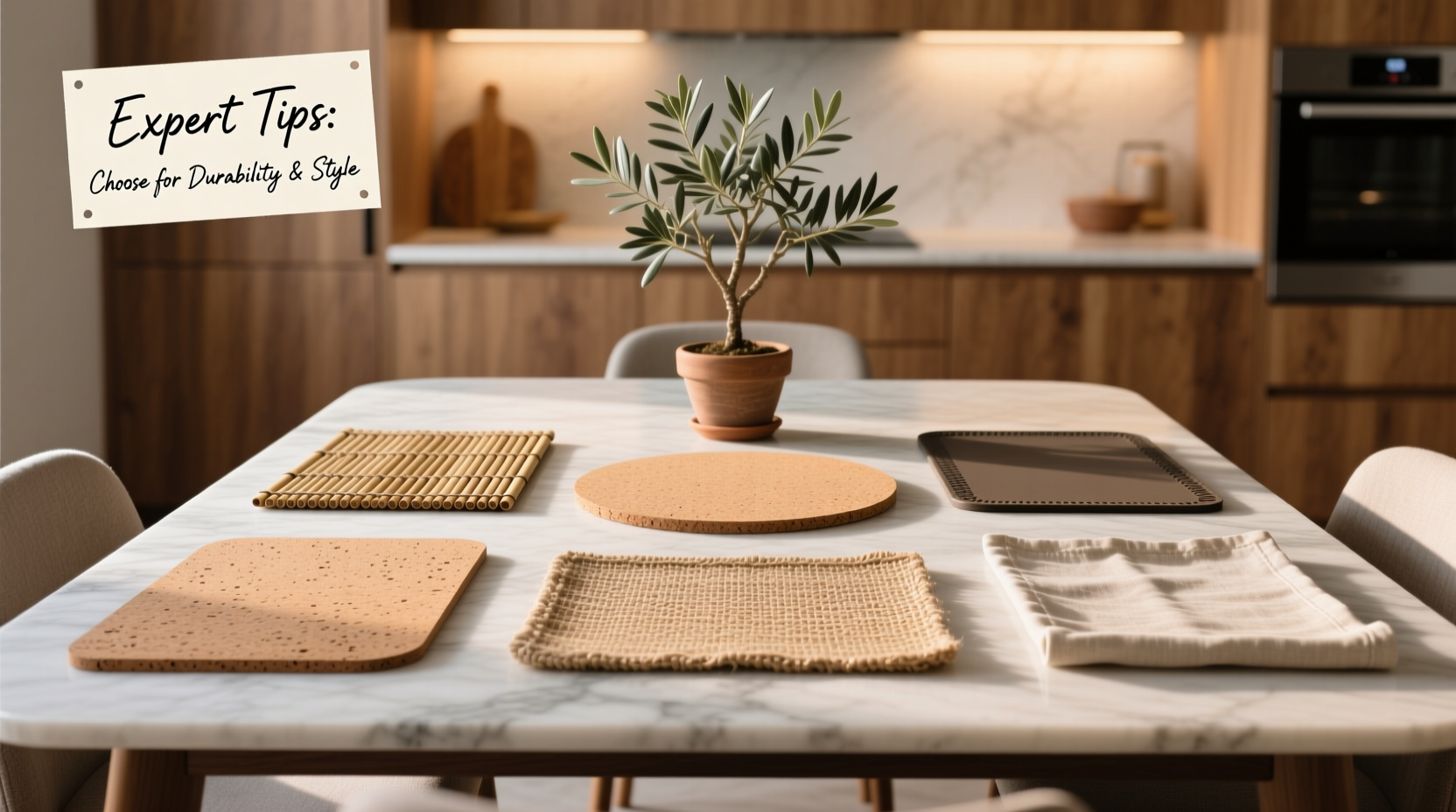
The foundation of a long-lasting placemat lies in its material. Different fabrics and synthetics offer varying levels of resilience, heat resistance, and ease of cleaning. Your choice should align with how you use your dining space—casual family meals demand different performance than formal dinner parties.
- Cotton and Linen: Natural, breathable, and stylish, but prone to staining and wear without proper treatment. Look for tightly woven cotton or linen blends with stain-resistant finishes.
- PVC and Vinyl: Waterproof, easy to wipe clean, and ideal for families with children. High-quality vinyl resists cracking and peeling over time.
- Bamboo and Cork: Eco-friendly and naturally antimicrobial. Bamboo is lightweight yet strong; cork provides excellent insulation and surface protection.
- Silicone: Heat-resistant up to 400°F, non-slip, and dishwasher-safe. A top performer for high-use kitchens but may lack traditional elegance.
- Olefin (Polypropylene): Synthetic fiber used in outdoor and commercial settings. Resists fading, moisture, and mildew—ideal for patios or sunrooms.
Key Features That Define Longevity
Beyond material, several design and structural elements determine how well a placemat holds up over time. Experts recommend evaluating the following before purchase:
- Edge Binding or Hemming: Reinforced edges prevent fraying. Stitched hems on fabric placemats and sealed edges on synthetic ones significantly extend lifespan.
- Thickness and Density: Thicker doesn’t always mean better, but adequate density protects tables from scratches and heat. Cork and silicone placemats should be at least 1.5 mm thick for effective insulation.
- Colorfastness: Fade-resistant dyes ensure patterns and hues remain vibrant after repeated washing or sun exposure.
- Non-Slip Backing: Prevents sliding during meals, reducing friction and wear. Silicone and rubberized undersides perform best.
- Heat Resistance: Essential if placing hot dishes directly on the mat. Silicone and cork lead in this category.
“Durability starts with construction, not just material. A well-bound edge can add years to a placemat’s life.” — Laura Nguyen, Home Textiles Specialist
Material Comparison: Performance at a Glance
| Material | Water Resistance | Heat Tolerance | Cleaning Method | Lifespan (Avg.) |
|---|---|---|---|---|
| Cotton/Linen | Low (unless treated) | Moderate | Machine wash, air dry | 1–2 years |
| Vinyl/PVC | High | Low–Moderate (can warp) | Wipe clean | 3–5 years |
| Silicone | Very High | Very High (up to 400°F) | Dishwasher safe | 5+ years |
| Cork | Moderate (sealed surface) | High | Wipe clean | 4–6 years |
| Olefin | High | Moderate | Machine wash or hose down | 3–4 years |
Step-by-Step Guide to Choosing and Caring for Durable Placemats
Selecting and maintaining durable placemats isn’t complicated, but it does require intention. Follow this timeline to make informed choices and preserve your investment:
- Assess Your Dining Needs (Day 1): Determine frequency of use, household members, and typical meal types. Are you hosting weekly dinners or managing daily toddler mealtimes?
- Research Materials (Day 2–3): Match your needs to suitable materials using the comparison table above.
- Inspect Construction Quality (Day 4): Examine product images or samples. Look for tight stitching, smooth finishes, and reinforced edges. Avoid loose threads or thin lamination.
- Purchase and Test (Day 5): Buy one sample first. Test it with hot dishes, spills, and cleaning methods to evaluate real-world performance.
- Establish a Care Routine (Ongoing): Follow manufacturer instructions. Rotate placemats to prevent uneven wear. Store flat or rolled—not folded—to avoid creases.
Real-World Example: The Busy Family Kitchen
The Thompsons, a family of five in Portland, replaced their cloth placemats every six months due to stains and fraying. After consulting a home stylist, they switched to food-grade silicone mats in neutral tones. The new mats withstand spaghetti sauce, crayon marks, and direct placement of hot pans. They’re dishwasher-safe and have lasted over three years with no signs of wear. “We don’t stress about messes anymore,” says Sarah Thompson. “The kids can eat freely, and cleanup takes seconds.” Their experience underscores how matching material to lifestyle drastically improves longevity.
Dos and Don’ts of Placemat Maintenance
| Do | Don’t |
|---|---|
| Wipe spills immediately | Leave wet glasses or plates unattended for hours |
| Use mild soap and soft cloths for cleaning | Scrub aggressively with abrasive pads |
| Rotate placemats weekly to distribute wear | Use bleach or harsh chemicals on colored mats |
| Store flat or rolled in a dry area | Fold fabric or vinyl mats repeatedly |
| Check manufacturer guidelines for heat limits | Place extremely hot pots directly on low-heat-tolerance mats |
Frequently Asked Questions
Can I put placemats in the dishwasher?
Only certain materials, such as silicone or some high-density polypropylene mats, are dishwasher-safe. Always check the label. Cotton, linen, and cork should never be machine washed unless specified.
How do I remove stubborn stains from fabric placemats?
Treat stains promptly with a mixture of baking soda and water or a mild oxygen-based cleaner. Avoid chlorine bleach, which weakens fibers. For oil-based stains, sprinkle cornstarch immediately to absorb grease before washing.
Are expensive placemats worth the investment?
Yes, when durability and craftsmanship justify the price. High-end cork or silicone placemats may cost more upfront but often outlast cheaper alternatives by 3–4 times, making them more cost-effective over time.
Final Checklist Before Buying
- ✅ Is the material suited to my dining habits (e.g., kids, pets, formal events)?
- ✅ Does it have reinforced edges or sealed backing?
- ✅ Is it resistant to water, heat, and fading?
- ✅ Can it be cleaned easily and safely?
- ✅ Is the size compatible with my table and chairs?
- ✅ Does it complement my existing tableware and decor?
- ✅ Is there a warranty or satisfaction guarantee?
Make Every Meal Last Longer
Durable placemats are more than functional—they reflect thoughtful living. By choosing wisely and caring intentionally, you invest in both aesthetics and practicality. Whether you're outfitting a bustling family kitchen or a minimalist dining nook, the right placemats enhance daily rituals while standing up to the demands of real life. Start small: test one high-performance option, observe its resilience, and build a set that lasts for years.




 浙公网安备
33010002000092号
浙公网安备
33010002000092号 浙B2-20120091-4
Comments
No comments yet. Why don't you start the discussion?