
Flap bags remain a timeless staple in modern wardrobes—versatile, elegant, and functional. Whether you're drawn to the classic silhouette of a Chanel-style quilted design or prefer minimalist leather options, one factor often overlooked is size. Choosing the wrong dimensions can compromise both comfort and style. The ideal flap bag should complement your frame, suit your daily needs, and transition seamlessly between occasions. Understanding how to match size with purpose ensures your accessory enhances rather than hinders your lifestyle.
Understand Flap Bag Proportions and Body Harmony
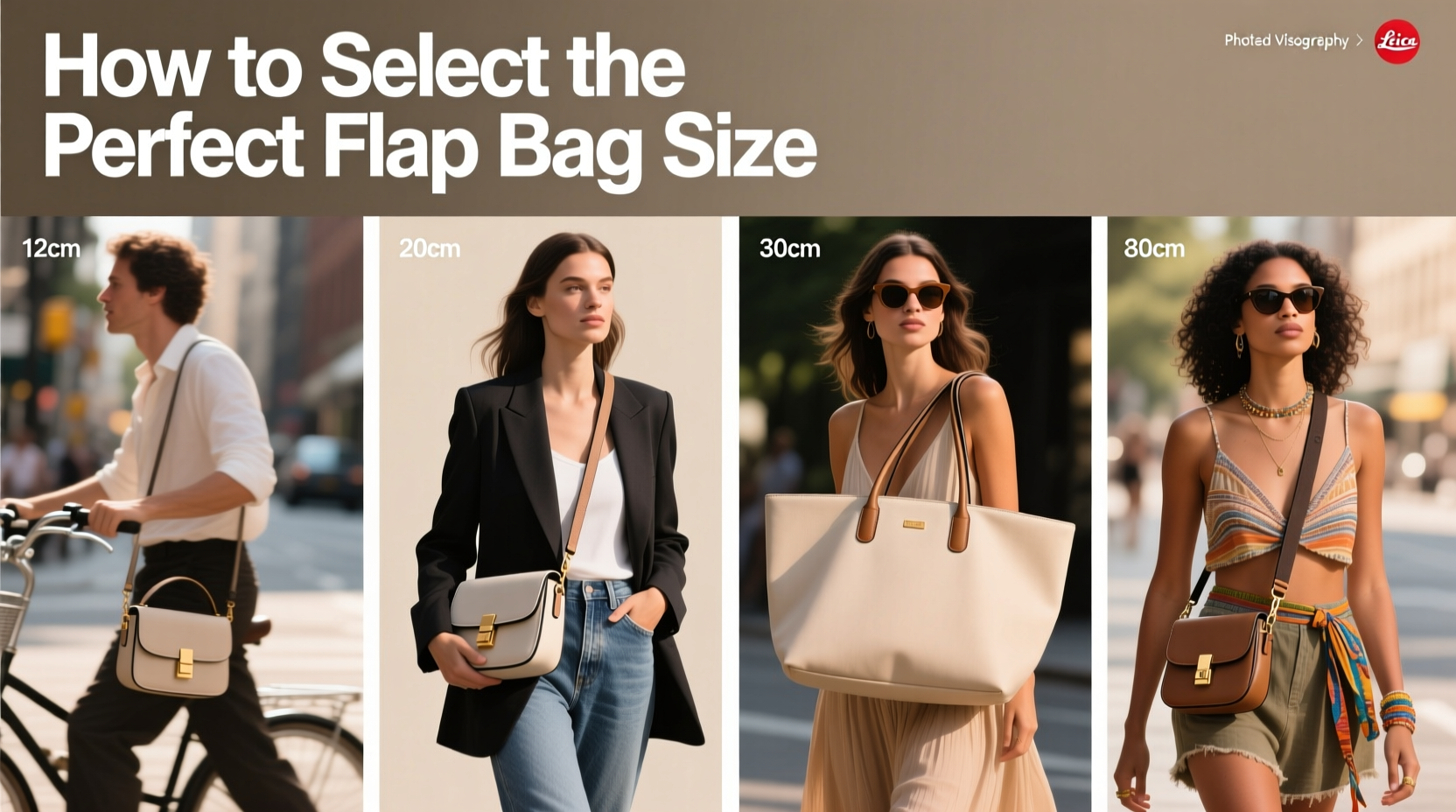
The relationship between your body type and bag size plays a crucial role in visual balance. A bag that's too large can overwhelm a petite frame, while an undersized option may look out of place on someone taller or broader. As a general rule, the bottom edge of the bag should fall between your waist and hips when worn crossbody or on the shoulder. This maintains proportion and prevents the bag from appearing awkwardly high or dragging too low.
For individuals under 5'4\", compact to medium flap bags (6–9 inches in height) typically offer the most flattering fit. Those between 5'5\" and 5'9\" have more flexibility, comfortably carrying medium to large sizes (9–12 inches). Taller individuals or those with broader shoulders can carry larger flap bags (12+ inches) without losing balance in their overall look.
Match Bag Size to Daily Use and Capacity Needs
Functionality should never be sacrificed for aesthetics. Begin by assessing what you carry daily. A minimalist who only needs a phone, keys, and lipstick will thrive with a small flap bag (under 7 inches). However, professionals commuting with tablets, notebooks, or makeup touch-up kits require more volume.
Consider these common use cases:
- Evening wear: Small flap bags (micro or mini) are sufficient and elegant.
- Work commute: Medium-sized flap bags (8–10 inches) accommodate essentials plus a slim wallet or e-reader.
- Weekend outings: Larger flap styles with adjustable straps offer versatility and room for sunglasses, sunscreen, or a light sweater.
“Choosing a bag isn’t just about fashion—it’s about aligning form with function. The right size reduces strain and elevates confidence.” — Lena Patel, Accessory Stylist & Wardrobe Consultant
Occasion-Based Sizing Guide
Different events demand different levels of practicality and polish. A bag suitable for brunch might not work at a board meeting or a gala dinner. Below is a comparison of recommended flap bag sizes based on occasion.
| Occasion | Recommended Size | Key Features | Avoid |
|---|---|---|---|
| Cocktail Party / Evening Event | Small (5–7\") | Clutch-style, chain strap, decorative hardware | Bulky designs, excessive compartments |
| Office / Business Meeting | Medium (8–10\") | Structured shape, interior pockets, professional finish | Overly casual materials like canvas |
| Weekend Errands / Travel | Medium-Large (10–12\") | Adjustable strap, lightweight material, easy access | Delicate fabrics, non-water-resistant linings |
| Date Night / Dinner Out | Small-Medium (7–9\") | Sleek profile, soft leather, subtle shine | Logos or loud embellishments unless styled intentionally |
Step-by-Step: How to Choose Your Ideal Flap Bag Size
Selecting the right flap bag doesn’t need to be overwhelming. Follow this five-step process to make a confident, informed decision:
- Assess your daily essentials. Lay out everything you carry regularly—phone, wallet, keys, makeup, glasses, etc.—and measure the combined footprint.
- Determine your primary use case. Is this bag mainly for work, leisure, travel, or special events? Prioritize durability or elegance accordingly.
- Test proportions on your body. Use a ruler or existing bag to simulate size. Stand in front of a mirror and observe where the bag sits.
- Check strap drop length. Shoulder straps with a 20–22 inch drop work best for medium bags; crossbody styles benefit from 24+ inches for comfortable slinging.
- Try before you buy—or order return-friendly retailers. If shopping online, choose brands with generous return policies to test real-world usability.
Real-Life Example: Sarah’s Work-to-Weekend Dilemma
Sarah, a marketing executive in her early 30s, struggled with choosing a single flap bag that could serve both her office meetings and weekend farmer’s market visits. Her initial choice—a tiny designer flap bag—looked polished but couldn’t fit her tablet or reusable tote. She switched to a medium-sized satchel-style flap bag with a detachable long strap. At work, she carried it by the top handle for a structured look. On weekends, she attached the strap and went hands-free. By adjusting size and functionality, she reduced the need for multiple bags and maintained a cohesive personal style.
Material and Structure Impact Perceived Size
The material and construction of a flap bag influence how large or small it appears. Structured leather bags tend to hold their shape and appear more compact, even when full. Soft, slouchy styles made from suede or fabric may look bigger when stuffed, potentially disrupting visual balance. Similarly, bags with external pockets or hardware can add bulk, making a medium bag feel larger.
When evaluating size, consider not just measurements but also how the bag drapes. A stiff boxy flap bag measuring 9 inches may feel roomier than a curved, shallow 10-inch version due to internal depth and organization.
Checklist: Before You Buy a Flap Bag
Use this quick checklist to ensure your chosen flap bag meets all criteria for size and suitability:
- ☐ Measures no wider than your shoulders
- ☐ Holds all daily essentials without overstuffing
- ☐ Strap allows comfortable wear (not digging into shoulder)
- ☐ Proportionate to your height and build
- ☐ Suitable lining and compartments for organization
- ☐ Appropriate material for intended occasions (e.g., leather for work, nylon for travel)
- ☐ Closure mechanism is secure (magnetic, snap, or turn-lock)
Frequently Asked Questions
Can a small flap bag be practical for everyday use?
Yes, if your lifestyle is minimalist. Small flap bags work well for urban dwellers who rely on smartphones, contactless payments, and compact cosmetics. However, if you frequently carry a water bottle, book, or extra layers, consider a slightly larger size or carry a foldable tote inside.
Does bag color affect how size is perceived?
It can. Darker colors like navy, black, or charcoal tend to recede visually, making a bag appear slightly smaller. Light or bright shades draw attention and may emphasize volume. Neutral tones like beige or gray offer balanced visibility and pair easily with most outfits.
Is one universal flap bag size possible?
For some, a medium-sized flap bag (around 9 inches) strikes the ideal balance between capacity and elegance. It’s large enough for essentials yet compact enough for evening wear. With interchangeable straps and neutral styling, this “one-bag” approach works—provided your lifestyle doesn’t demand extreme functionality shifts.
Final Thoughts: Style Meets Practicality
Selecting the perfect flap bag size isn’t about chasing trends—it’s about thoughtful alignment with your body, routine, and aesthetic. The most stylish accessory is the one you actually enjoy using. Whether you prioritize sleek minimalism or versatile utility, the right dimensions will enhance your posture, ease your day, and reflect your personal taste with confidence.




 浙公网安备
33010002000092号
浙公网安备
33010002000092号 浙B2-20120091-4
Comments
No comments yet. Why don't you start the discussion?