
Living in an apartment doesn’t mean you have to give up on sustainable habits. In fact, composting is more accessible than ever—even without a backyard. With the right tools and techniques, you can turn food scraps into nutrient-rich soil while keeping your space fresh and odor-free. The key lies in choosing the correct indoor bin, managing inputs carefully, and maintaining a balanced system that works quietly behind the scenes. This guide walks you through every step of setting up a no-smell composting routine that fits seamlessly into city life.
Why Indoor Composting Makes Sense for Apartment Dwellers
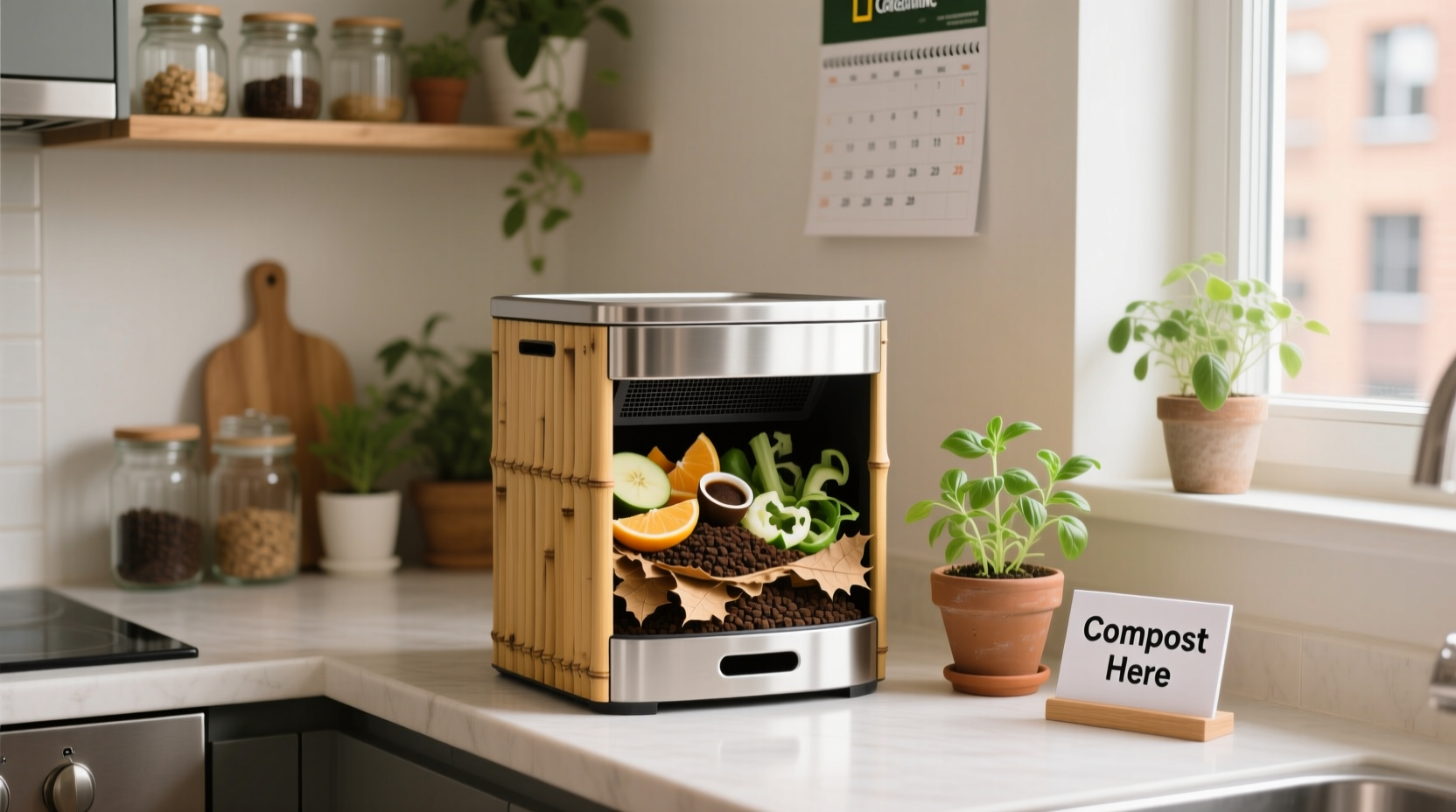
Over 30% of household waste is organic material that could be composted instead of ending up in landfills, where it produces methane—a potent greenhouse gas. For apartment residents, traditional outdoor composting isn’t feasible, but that doesn’t mean you’re excluded from contributing to waste reduction.
Indoor composting has evolved beyond messy buckets and smelly experiments. Modern systems are compact, efficient, and designed specifically for small spaces. Whether you live in a studio or a high-rise condo, you can participate in closing the loop on food waste. Beyond environmental benefits, composting indoors helps reduce trash volume, minimizes garbage odors, and gives you access to rich soil for houseplants or balcony gardens.
“Urban composting isn’t just possible—it’s essential for building sustainable cities.” — Dr. Lena Torres, Urban Sustainability Researcher, Columbia University
Choosing the Right Indoor Composting System
Not all compost bins are created equal, especially when odor control and space efficiency are priorities. Here are the most effective types of indoor composting systems available today:
- Bokashi Bins: Ferment food waste (including meat and dairy) using beneficial microbes. Sealed design prevents smells.
- Electric Composters: Devices like Lomi or FoodCycler break down scraps in hours using heat and grinding. Nearly odorless and extremely fast.
- Worm Bins (Vermicomposting): Use red wiggler worms to process scraps. Must be managed carefully to avoid odors.
- Sealed Aerated Bins: Passive containers with ventilation filters that trap odors while allowing airflow.
For beginners seeking simplicity and guaranteed odor control, Bokashi and electric models are the top choices. Worm bins require more attention but produce excellent compost over time. Sealed aerated bins work well if you generate moderate waste and don’t mind occasional maintenance.
Step-by-Step Guide to Setting Up Your Odor-Free Compost System
Starting your indoor composting journey takes less than 30 minutes. Follow this timeline to get set up correctly from day one:
- Week 1: Research and Purchase
Select a composting method based on your lifestyle, diet, and available space. Read reviews and compare features like capacity, noise level, and power needs. - Day of Setup: Unbox and Prepare
Assemble your bin according to instructions. For Bokashi systems, add the first layer of bran. For worm bins, prepare bedding (shredded newspaper or coconut coir). - Day 1: Begin Collection
Start collecting fruit peels, coffee grounds, vegetable trimmings, and eggshells. Avoid oily foods unless your system allows them. - Daily: Add Waste and Maintain Balance
Bury new scraps under existing material. Sprinkle Bokashi bran or dry carbon-rich “browns” (like paper) to absorb moisture and prevent smells. - Weekly: Monitor and Rotate
Check moisture levels—your compost should feel like a damp sponge. If too wet, add more browns. Empty electric units as needed. - Every 2–4 Weeks: Harvest or Transfer
With Bokashi, drain liquid weekly and transfer fermented waste to soil or community drop-off. Worm bins yield castings every few weeks.
Consistency is critical. The longer you maintain proper ratios and hygiene, the more reliable and odor-free your system becomes.
Do’s and Don’ts for Zero-Odor Success
Odors typically arise from imbalance—not the act of composting itself. Below is a clear breakdown of what to do—and what to avoid—to keep your apartment smelling fresh.
| Do’s | Don’ts |
|---|---|
| Add \"browns\" like shredded paper, cardboard, or dry leaves to balance wet food scraps | Overload the bin with only wet greens (e.g., lettuce, melon) |
| Keep lids tightly sealed between uses | Leave the lid off or open for extended periods |
| Drain Bokashi juice every 2–3 days (it’s great for cleaning drains!) | Ignore excess liquid buildup—it causes rot and smell |
| Freeze scraps temporarily if you can’t compost daily | Add meat, oils, or dairy to non-Bokashi systems |
| Use activated charcoal filters in bins that support them | Place bins near heat sources or direct sunlight, which accelerates decay |
Real Example: Maria’s First Month Composting in Brooklyn
Maria, a graphic designer in a 600-square-foot Brooklyn apartment, was skeptical about composting. She worried about bugs and lingering smells, especially with roommates. After researching, she chose a countertop Bokashi bin with a dual-bucket system.
She started by placing a small container on her counter for daily collection, then transferring scraps to the Bokashi bucket every evening. She added a scoop of bran each time and drained the golden liquid weekly, using it to clean her sink. Within two weeks, she noticed her trash smelled better and filled up slower.
After fermenting two full buckets, she brought them to a local community garden drop-off point. They accepted the pre-compost and even gave her some finished soil in return. “It felt like I was part of something bigger,” she said. “And honestly, my kitchen never smelled bad—not once.”
Essential Tips for Maintaining Cleanliness and Preventing Pests
A clean system is a silent system. To ensure long-term success, adopt these best practices:
- Line your collection container: Use compostable liners or repurpose paper bags to make cleanup easier.
- Rinse scraps when possible: A quick rinse removes excess salt, sauces, or oils that attract fruit flies.
- Freeze before adding meat or cheese (Bokashi only): Freezing kills potential pathogens and slows decomposition until fermentation begins.
- Clean the bin monthly: Wash with vinegar or mild soap, especially after emptying. Let it dry completely before reuse.
- Store bran properly: Keep Bokashi bran in an airtight container away from moisture to preserve microbial activity.
What You Can—and Can’t—Compost Indoors
Knowing what belongs in your bin is half the battle. While outdoor piles handle a wider range, indoor systems require stricter input control to prevent issues.
Safe to Compost (All Systems)
- Fruit and vegetable peels
- Coffee grounds and filters
- Tea bags (check for plastic stitching)
- Eggshells (crushed)
- Plain bread and grains (in moderation)
- Houseplant trimmings
Only in Bokashi or Electric Units
- Cooked food
- Meat and fish scraps
- Dairy products
- Oily leftovers (small amounts)
Never Compost Indoors
- Plastic-coated tea bags
- Glossy or dyed paper
- Animal feces
- Large bones
- Chemically treated wood or sawdust
“The biggest mistake people make is treating indoor composting like outdoor dumping. It’s a controlled process—balance matters.” — James Lin, Urban Compost Educator
FAQ: Common Questions About Apartment Composting
Can composting really be odor-free?
Yes—when done correctly. Systems like Bokashi and electric composters are engineered to contain smells. Even worm bins stay neutral when fed appropriately and kept in balance. Any noticeable odor usually signals excess moisture, lack of airflow, or inappropriate materials.
Where do I dispose of the finished compost?
If you don’t garden, options include local community gardens, farmers markets with compost programs, or municipal drop-offs. Some cities offer curbside organic pickup. Alternatively, use small amounts in houseplant soil—just mix thoroughly to avoid mold.
Will composting attract bugs or rodents?
Not if managed properly. Fruit flies can appear if food is left exposed, but sealing the bin and freezing scraps beforehand prevents this. Rodents aren’t an issue indoors unless waste is stored improperly. Always keep containers closed and clean spills immediately.
Getting Started Checklist
Before you begin, run through this checklist to ensure a smooth launch:
- ☐ Choose a composting method that fits your space and lifestyle
- ☐ Purchase your bin and necessary supplies (bran, filters, liners)
- ☐ Designate a small countertop or under-sink spot for the bin
- ☐ Stock up on browns (shredded paper, cardboard, coconut coir)
- ☐ Locate a nearby drop-off site or plan for indoor use of compost
- ☐ Share the plan with roommates or family to encourage participation
- ☐ Start small—collect scraps for a few days before activating the system
Conclusion: Turn Waste Into Worth, One Scraps at a Time
Composting in an apartment isn’t a compromise—it’s a smart upgrade to your daily routine. With modern solutions that eliminate odor and fit neatly into compact spaces, there’s no reason to send food waste straight to the landfill. From reducing your environmental footprint to enriching your indoor plants, the benefits compound quickly.
The secret isn’t perfection—it’s consistency. Start with one bin, learn its rhythm, and refine your process over time. Thousands of city dwellers have already made the shift, proving that sustainability thrives even in the smallest homes.




 浙公网安备
33010002000092号
浙公网安备
33010002000092号 浙B2-20120091-4
Comments
No comments yet. Why don't you start the discussion?