
There’s nothing quite as distracting—or embarrassing—as the sound of your shoes squeaking with every step. Whether you're in a quiet office, walking down a tiled hallway, or simply trying to enjoy a peaceful stroll, that high-pitched noise can draw unwanted attention and undermine confidence. The good news? Squeaky shoes are almost always fixable. Most causes stem from simple mechanical friction, moisture buildup, or loose components—all of which can be addressed with targeted solutions.
This guide dives deep into the root causes of shoe squeaks, offers tested remedies, and provides a clear action plan to silence your soles for good. From DIY home fixes to long-term preventative care, you’ll learn how to diagnose and eliminate the problem based on your shoe type and environment.
Why Shoes Squeak: The Science Behind the Sound
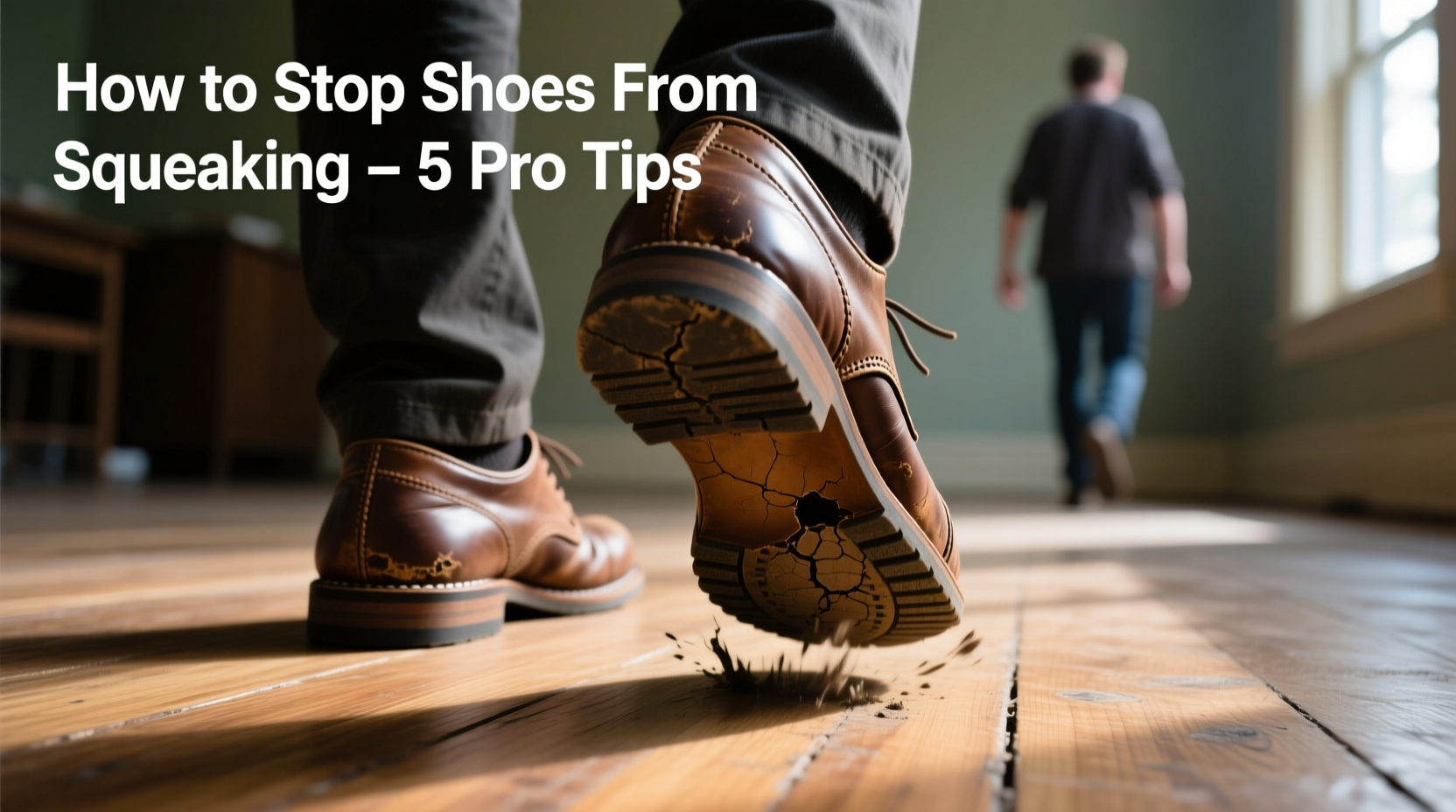
Squeaking occurs when two materials rub together under pressure, creating vibration and audible noise. In footwear, this typically happens between layers of the sole, insole, midsole, or heel. The most common culprits include:
- Friction between insole and midsole: A loose insole rubbing against the midsole is one of the top reasons for squeaks.
- Moisture trapped inside the shoe: Dampness from sweat or rain can create suction or lubricate surfaces just enough to generate noise.
- Worn or separating outsoles: As rubber soles degrade or detach slightly from the upper, flexing during walking causes repetitive creaking.
- Pebbles or debris lodged in treads: Small stones stuck in deep grooves can vibrate with each step.
- Loose heels or hardware: On dress shoes or boots, nails or heel caps may loosen over time.
Understanding where the sound originates is critical. Try walking slowly on different surfaces—carpet, tile, hardwood—and listen closely. Is the squeak coming from the heel, ball of the foot, or arch? Does it happen only when the shoe bends? These observations help pinpoint the source.
Step-by-Step Guide to Silence Squeaky Shoes
Follow this systematic approach to identify and resolve the cause of your shoe squeaks. Most issues can be fixed within 30 minutes using household items.
- Remove the insole. Use your fingers or a spoon edge to gently pry it out. Inspect both the underside of the insole and the shoe bed for dirt, moisture, or wear marks.
- Dry thoroughly. If either surface feels damp, wipe with a dry cloth and let air-dry for at least 2–4 hours. Avoid direct heat sources like radiators, which can warp materials.
- Apply baby powder or cornstarch. Sprinkle a light layer on the shoe bed (the platform beneath the insole). This reduces friction and absorbs residual moisture. Reinsert the insole and test-walk.
- Check for debris. Examine the outsole treads. Use a key or small tool to dislodge any pebbles, twigs, or hardened gum.
- Inspect the sole attachment. Press along the edges of the outsole. If you feel separation or movement, the sole may need re-gluing or professional repair.
- Test walk indoors. Walk on a hard surface and assess whether the squeak persists. If yes, proceed to advanced fixes below.
Advanced Fixes Based on Shoe Type
Different footwear requires tailored approaches. Applying the wrong method can damage delicate materials or worsen the issue.
| Shoe Type | Recommended Fix | Avoid |
|---|---|---|
| Sneakers & Athletic Shoes | Baby powder under insole; silicone spray on midsole joints | Water immersion; excessive glue |
| Dress Shoes (Leather) | Tighten heel nails; apply leather conditioner to reduce stiffness | Using talcum powder inside lined leather shoes |
| Boots (Work or Winter) | Check for internal moisture; use silica gel packs overnight | Overheating with blow dryers |
| Sandals & Flip-Flops | Apply petroleum jelly at strap attachment points | Submerging in water |
Preventative Maintenance Checklist
Once the squeak is gone, prevent it from returning with consistent care. Use this checklist monthly or after heavy use:
- ✅ Remove insoles and air out shoes for 2+ hours weekly
- ✅ Rotate between multiple pairs to reduce continuous stress
- ✅ Wipe soles clean after walking on wet or dirty surfaces
- ✅ Apply moisture-absorbing insoles or replace worn ones annually
- ✅ Store shoes in a dry, ventilated area away from humidity
- ✅ Use cedar shoe trees in leather footwear to absorb moisture and maintain shape
Regular maintenance not only prevents squeaks but also extends the lifespan of your shoes by reducing material fatigue and microbial growth.
Real Example: Office Worker Solves Daily Squeak Crisis
Mark, a project manager in Chicago, began noticing his new leather oxfords squeaked loudly on polished office floors. The sound echoed in meetings, making him self-conscious. He tried tightening laces and changing socks, but the issue persisted.
After reading about insole friction, he removed the insoles and found they were slightly warped from moisture. He dried them overnight, sprinkled baking soda on the shoe bed, and inserted silica gel packets for 48 hours. When reassembled, the squeak was gone. Mark now rotates two pairs weekly and uses shoe trees, reporting no recurrence in six months.
His experience highlights a common scenario: modern leather shoes often have synthetic insoles that trap sweat, leading to warping and noise. Simple drying and airflow solved what felt like a persistent flaw.
“Most squeaks aren’t a sign of poor quality—they’re early warnings of moisture buildup or mechanical stress. Address them quickly, and you’ll avoid bigger structural issues later.” — Lena Patel, Footwear Repair Specialist with 18 years of experience
When Home Remedies Fail: Knowing When to Seek Help
If DIY methods don’t work after two attempts, the issue may require professional attention. Signs include:
- Visible sole separation or bubbling
- Recurring squeaks despite drying and powder application
- Structural flex in the midsole or shank
- Loose heels or wobbling on flat surfaces
Cobbler services can reattach soles, replace cushioning layers, or reinforce weak points. The cost—typically $20–$50—is far less than replacing high-end footwear. Many cobblers also offer waterproofing and resoling, adding years to your shoes’ life.
For specialty shoes (e.g., orthopedic, designer, or hiking boots), consult the manufacturer before attempting invasive fixes. Some warranties cover defects like delamination, which can mimic squeaking.
Frequently Asked Questions
Can I use WD-40 to stop my shoes from squeaking?
No. While WD-40 may temporarily silence metal-on-metal noises, it degrades rubber, breaks down adhesives, and can stain fabrics. It’s also flammable and leaves a greasy residue. Use silicone-based lubricants instead if needed.
Why do my shoes only squeak on certain floors?
Hard, smooth surfaces like tile, marble, or gym floors amplify sound due to resonance. Carpet absorbs vibrations, masking squeaks. The noise isn’t floor-specific—it’s just more audible where sound reflects clearly.
Will freezing my shoes stop the squeak?
Freezing is not recommended. While some suggest placing shoes in a sealed bag and freezer to contract materials, this risks damaging glues and foams. Moisture expansion during freezing can worsen delamination. Stick to air drying and desiccants.
Final Tips for Long-Term Silence
Squeaky shoes don’t have to be a permanent annoyance. Most cases stem from correctable conditions: trapped moisture, friction, or minor wear. By diagnosing the source accurately and applying targeted fixes, you regain quiet comfort and confidence in every step.
Remember, prevention is easier than repair. Incorporate quick drying routines, rotate footwear, and inspect soles regularly. Treat your shoes like precision tools—they’re engineered for performance, and small maintenance goes a long way.




 浙公网安备
33010002000092号
浙公网安备
33010002000092号 浙B2-20120091-4
Comments
No comments yet. Why don't you start the discussion?