
Hamsters are naturally cautious creatures. While they can become affectionate and curious companions, their instinctive response to unfamiliar stimuli is often defensive—sometimes resulting in a quick nip or bite. Many new owners interpret this behavior as aggression, but in most cases, it’s simply fear-based communication. The good news: with patience, consistency, and the right techniques, you can stop your hamster from biting and build a bond rooted in trust. This guide outlines practical, humane strategies backed by animal behavior principles to help you create a safe and positive relationship with your small pet.
Understanding Why Hamsters Bite
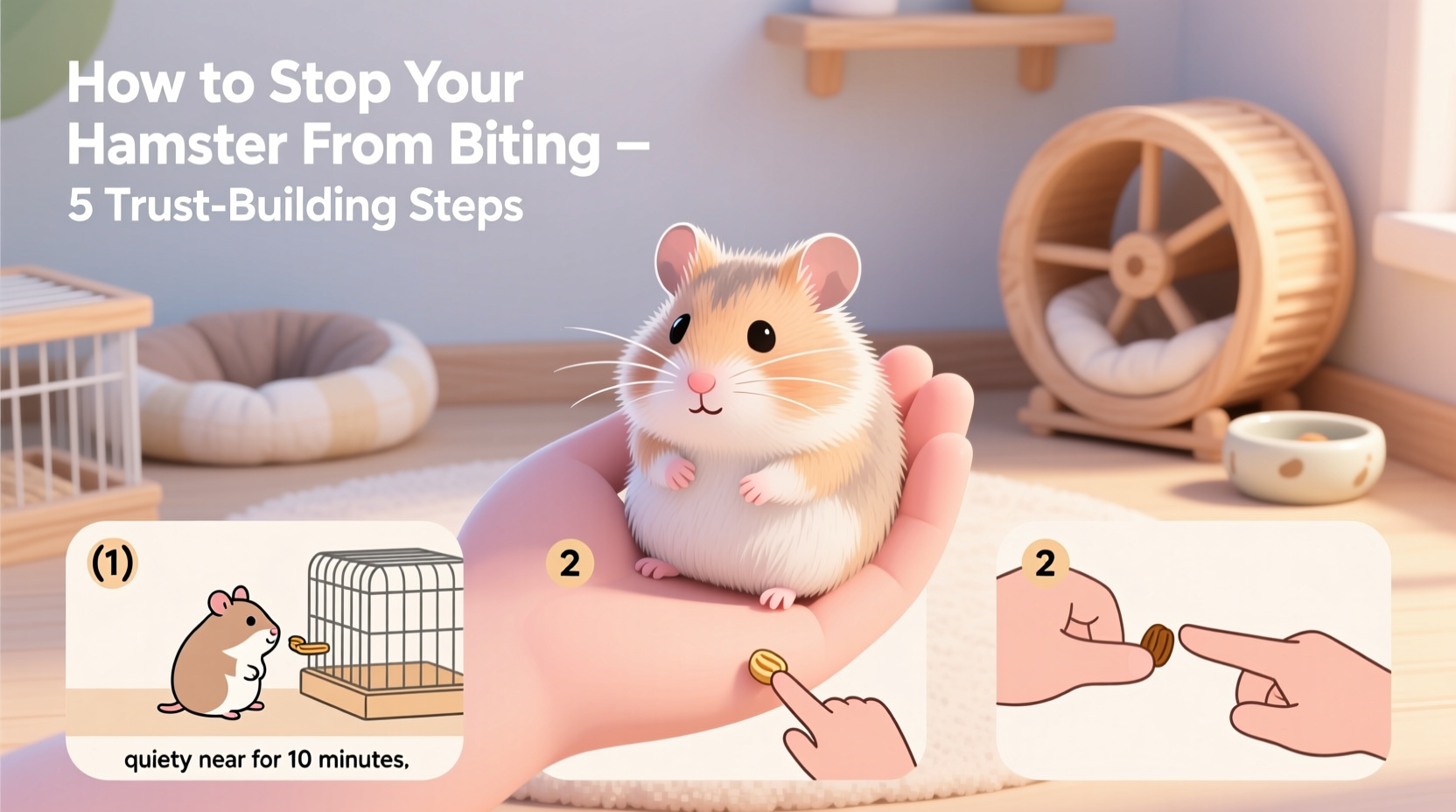
Before addressing biting behavior, it's essential to understand its root causes. Hamsters don’t bite out of malice. Their actions are typically reactions to stress, fear, or miscommunication. Common reasons include:
- Fear or surprise: Sudden movements or being picked up too quickly can trigger a defensive bite.
- Poor scent recognition: If your hands smell like food or another animal, your hamster may investigate—and nip—out of confusion.
- Protecting territory: Hamsters are territorial, especially around their nest or food stash.
- Sleep disturbance: Waking a sleeping hamster increases the likelihood of a startled reaction.
- Pain or illness: A normally gentle hamster that suddenly bites may be experiencing discomfort.
Recognizing these triggers allows you to adjust your approach and avoid escalating stress. The goal isn’t just to stop biting—it’s to create an environment where your hamster feels secure enough not to feel the need to defend itself.
Step-by-Step Trust Building Timeline
Building trust with a hamster is not a one-time event; it’s a gradual process that unfolds over days or weeks, depending on the individual. Follow this structured timeline for best results:
- Days 1–3: Observation Only
Allow your hamster to acclimate to its new home without interference. Watch its behavior, feeding patterns, and activity cycles. Do not attempt to touch or pick it up. - Days 4–7: Introduce Your Scent
Place a clean cotton glove or soft cloth near your hamster’s living area (but outside the cage) for a few hours each day. Then, leave it inside the cage so your hamster becomes familiar with your scent. You can also place a lightly worn piece of clothing nearby—never directly in the cage to avoid contamination. - Week 2: Hand Feeding Begins
Sit beside the cage and offer small treats (sunflower seeds, plain oats, or bits of apple) through the bars using clean fingers. Let your hamster approach at its own pace. Repeat daily until it consistently takes food calmly. - Week 3: Open-Hand Introduction
Open the cage and place your hand flat on the floor with a treat in your palm. Keep your hand still and withdraw only after the hamster leaves. Never chase or grab. This teaches your hamster that your hand is a source of safety, not threat. - Week 4+: Gentle Handling Practice
Once your hamster eats from your hand confidently, begin scooping it gently using both hands. Support its body fully—never lift by the scruff or tail. Limit initial sessions to 5 minutes and return it calmly to the cage.
This progression respects your hamster’s natural wariness while gradually reinforcing positive associations with human contact.
Do’s and Don’ts During Handling
Mistakes during early interactions can set back progress significantly. Use the following table to distinguish helpful practices from harmful ones:
| Do’s | Don’ts |
|---|---|
| Wash hands with fragrance-free soap before handling | Handle immediately after eating strongly scented foods (like garlic or onions) |
| Move slowly and speak softly near the cage | Make sudden movements or loud noises |
| Offer treats from an open palm | Force interaction if the hamster retreats or hisses |
| Support the full body when lifting | Lift by the limbs or scruff (except in medical emergencies) |
| End sessions on a positive note, even if brief | Continue handling if the hamster shows signs of stress (biting, freezing, escaping attempts) |
Consistency in applying these guidelines helps prevent setbacks and accelerates trust development.
Real Example: From Biting to Bonding
Sophie adopted a Syrian hamster named Mochi from a local shelter. Within the first week, Mochi bit her every time she tried to clean the cage or offer food. Frustrated but determined, Sophie researched hamster behavior and implemented a slow trust-building routine. She started by placing a soft scarf near Mochi’s hideout for scent familiarization. Each day, she sat quietly beside the cage reading aloud to expose Mochi to her voice. After five days, she began offering millet sprays through the bars. By day ten, Mochi would take food from her fingers. Two weeks later, he climbed onto her hand voluntarily. Today, Mochi rides in Sophie’s hoodie pocket during supervised playtime. “It wasn’t about taming him,” she says. “It was about showing him I wasn’t a threat.”
“Trust with small prey animals like hamsters isn’t earned through dominance, but through predictability and patience.” — Dr. Lena Reyes, Exotic Animal Behavior Specialist
Essential Tips for Preventing Bites
- Always approach from the front—never reach from above, which mimics predator behavior.
- Clean the cage regularly but leave some nesting material undisturbed to maintain familiarity.
- If bitten, remain calm. Jerking away reinforces fear. Gently blow a puff of air toward the hamster (not in the face) to discourage further nipping without punishment.
- Use a tunnel or tube to encourage voluntary movement into your hands during early stages.
Checklist: Building Bite-Free Handling Habits
Follow this actionable checklist to ensure you're covering all bases in your trust-building journey:
- ✅ Allow 3–5 days of quiet adjustment upon bringing your hamster home.
- ✅ Wash hands with unscented soap before each interaction.
- ✅ Begin hand-feeding with high-value treats (e.g., small pieces of banana or boiled egg).
- ✅ Spend 10–15 minutes daily near the cage talking softly or reading aloud.
- ✅ Introduce your hand into the cage flat and motionless with a treat.
- ✅ Wait for the hamster to initiate contact—never force it.
- ✅ Support the entire body when lifting, keeping movements smooth and low to the ground.
- ✅ Limit early handling sessions to under 5 minutes.
- ✅ End each session calmly by returning the hamster to its cage without sudden motions.
- ✅ Monitor for signs of stress: freezing, teeth grinding, puffing up, or attempting escape.
Repeat these steps daily, adjusting pace based on your hamster’s comfort level. Progress may be slow, but consistency yields results.
When Biting Persists: Troubleshooting
If your hamster continues to bite despite consistent effort, consider these factors:
- Health issues: Dental overgrowth, skin infections, or internal pain can cause irritability. Consult a veterinarian who specializes in small mammals.
- Cage conditions: Overcrowding, lack of hiding spots, or poor ventilation increase stress levels. Ensure the enclosure meets species-specific needs (minimum 450 square inches of floor space for Syrians).
- Handling timing: Hamsters are nocturnal. Avoid waking them during daylight hours for handling. Evening interactions align better with their natural rhythm.
- Personality differences: Some hamsters are naturally more skittish. Dwarf varieties, such as Roborovskis, are less inclined to bonding than Syrians. Respect individual temperament.
A single bite doesn’t mean failure. Evaluate your approach, eliminate stressors, and reset the process if needed.
Frequently Asked Questions
Is it normal for a hamster to bite when first brought home?
Yes. Most hamsters bite initially due to stress from relocation, unfamiliar scents, and new surroundings. This behavior usually diminishes within 1–2 weeks with proper acclimation and gentle interaction.
Can I train an older hamster not to bite?
Absolutely. Age doesn’t prevent learning. Older hamsters may take longer to adapt due to established habits, but the same trust-building methods apply. Patience and consistency are key.
What should I do if my hamster bites me hard enough to draw blood?
Wash the wound thoroughly with soap and water. Apply antiseptic and monitor for infection. While hamster bites rarely transmit serious diseases, consult a healthcare provider if swelling, redness, or fever develops. Reassess your handling technique to prevent recurrence.
Conclusion: Building a Lasting Bond
Stopping your hamster from biting isn’t about control—it’s about connection. Every small step you take to understand your hamster’s world brings you closer to a relationship built on mutual respect. Trust grows not in grand gestures, but in quiet moments: a treat taken from your palm, a curious sniff, a body relaxed in your hands. These are the milestones of true companionship.
Remember, progress isn’t linear. Some days will feel like setbacks. But with observation, empathy, and steady effort, your hamster can learn to see you not as a threat, but as a source of safety and care. Start today—with silence, with scent, with a single seed offered in peace—and let trust grow at its own pace.




 浙公网安备
33010002000092号
浙公网安备
33010002000092号 浙B2-20120091-4
Comments
No comments yet. Why don't you start the discussion?