
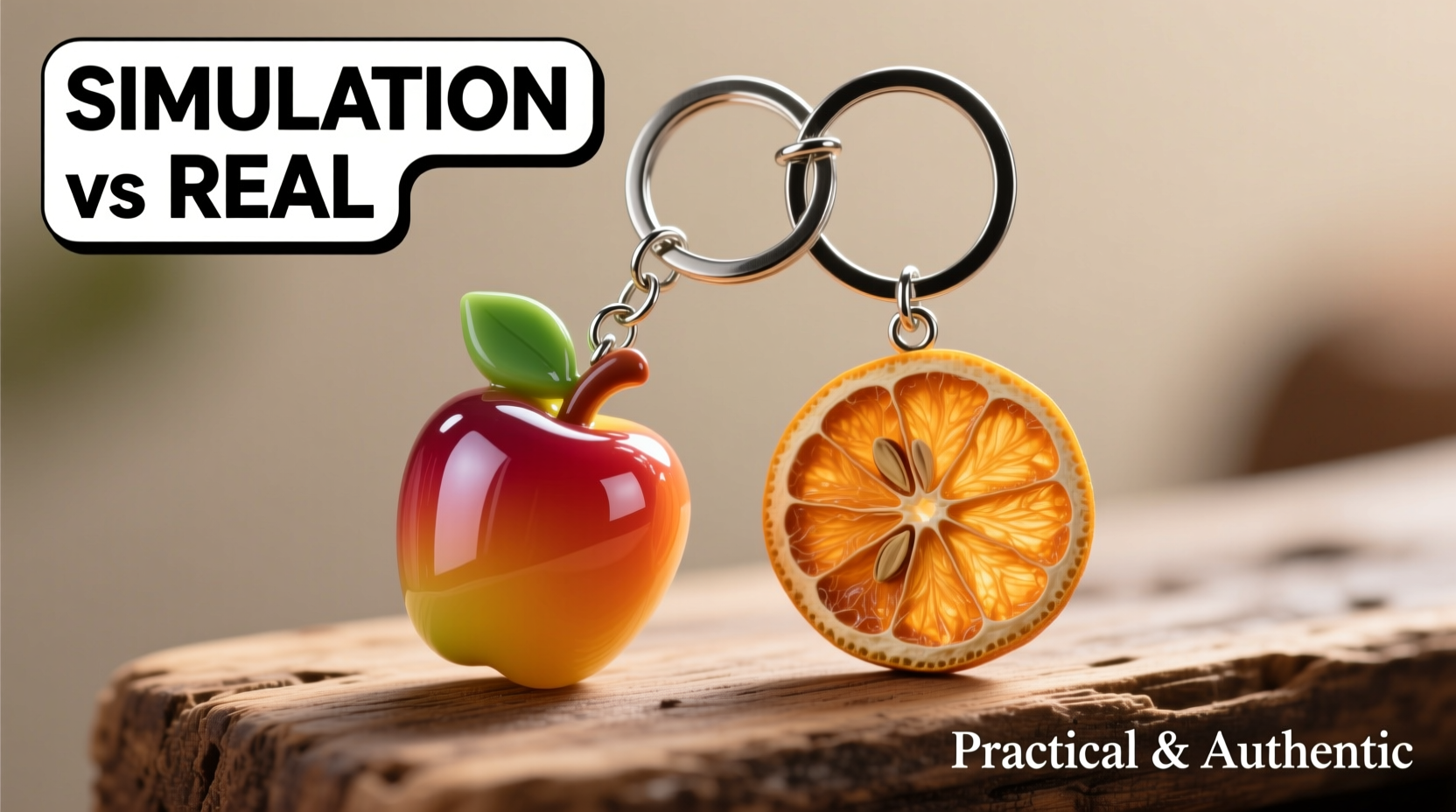
In recent years, fruit-themed accessories have surged in popularity—especially among younger consumers drawn to playful, nostalgic, and kawaii-inspired fashion. From banana-shaped phone grips to strawberry-patterned wallets, fruity aesthetics dominate lifestyle products. Among these, fruit keychains stand out as both functional and expressive items. But a growing debate persists: Is a simulation (artificial) fruit keychain truly better than a real fruit charm? More importantly, does authenticity translate into practicality?
The answer isn’t straightforward. While real fruit charms offer organic textures and natural appeal, they come with significant limitations. On the other hand, simulation versions promise longevity and consistency but may lack the tactile uniqueness of their natural counterparts. This article examines both options across multiple dimensions—durability, maintenance, aesthetic value, environmental impact, and usability—to determine which option makes more sense for everyday carry.
Durability: Longevity Under Daily Use
One of the most critical factors when choosing a keychain is how well it withstands daily wear. Keys jostle in pockets, bags, and purses; they’re exposed to moisture, friction, and temperature changes. A keychain must endure this without degrading.
Real fruit charms—typically made from dried citrus slices, berries, or coconut shells—are inherently fragile. Even when preserved with resin or sealants, they remain susceptible to cracking, fading, and mold if exposed to humidity. Over time, essential oils evaporate, colors dull, and structural integrity weakens. In contrast, simulation fruit keychains crafted from silicone, acrylic, or enamel are engineered for resilience. They resist water, UV light, and physical stress far better.
Material Comparison Table
| Feature | Simulation Fruit Keychain | Real Fruit Charm |
|---|---|---|
| Durability | High – resistant to impact and weather | Low to moderate – prone to breakage |
| Lifespan | 3–5+ years with regular use | 6 months to 2 years (varies by preservation) |
| Water Resistance | Excellent – no damage from rain or spills | Poor – moisture causes warping or decay |
| Weight | Lightweight (ideal for pocket carry) | Heavier due to dense organic material |
| Color Retention | Stable over time | Fades within months, especially in sunlight |
Aesthetic Appeal and Design Flexibility
While function matters, emotional resonance plays a major role in accessory selection. Many people choose fruit keychains not just for utility, but because they evoke joy, summer memories, or personal identity.
Real fruit charms win on authenticity. Each piece has unique grain patterns, slight color variations, and subtle imperfections that give them character. A slice of dried orange might show veins like a fingerprint—no two are identical. This individuality appeals to those who value craftsmanship and nature-inspired minimalism.
However, simulation keychains offer unmatched versatility. Manufacturers can replicate any fruit—rare or seasonal—with perfect color accuracy and consistent shape. Want a glowing neon mango or a translucent lychee? Only synthetic materials allow such creative freedom. Moreover, LED-lit versions, glow-in-the-dark finishes, and textured surfaces enhance visual interest beyond what nature provides.
“Authenticity has emotional weight, but design innovation often drives mass appeal.” — Lena Park, Product Designer at Urban Accessory Co.
Maintenance Requirements
Caring for a keychain should be simple, not burdensome. Yet real fruit charms demand attention many users aren't prepared to give.
To preserve a real fruit charm, store it away from direct sunlight and high humidity. Wipe gently with a dry cloth monthly. Avoid contact with perfumes, lotions, or cleaning agents, which can degrade natural resins. Some owners apply food-grade mineral oil annually to maintain luster—but this adds effort few remember to perform consistently.
Simulation alternatives require almost no upkeep. A quick rinse under tap water removes dirt. Most can be wiped with alcohol wipes for disinfection—especially useful post-travel. Their non-porous surfaces inhibit bacterial growth, making them hygienic companions for keys used frequently throughout the day.
Step-by-Step Care Guide
- Monthly Inspection: Check for cracks, loose parts, or discoloration.
- Cleaning: For simulation types, use mild soap and water. For real fruit, use only a dry microfiber cloth.
- Storage: Keep in a breathable pouch when not in use for extended periods.
- UV Protection: Store away from windows or car dashboards where heat builds up.
- Rotation: Alternate between multiple keychains to reduce wear on any single item.
Environmental Impact and Ethical Considerations
At first glance, real fruit charms appear eco-friendly—after all, they’re made from nature. But closer inspection reveals complexities.
Sourcing organic materials sustainably is challenging. Mass harvesting of fruits solely for decorative purposes raises ethical concerns, particularly if edible produce is diverted from food systems. Additionally, preservation processes often involve chemical sealants or varnishes that negate biodegradability. Unless composted properly, these end up in landfills where decomposition is slow and potentially polluting.
Conversely, high-quality simulation keychains made from recyclable silicone or bio-based plastics offer a longer lifecycle, reducing waste through reuse. Advances in plant-derived polymers mean some synthetics now boast lower carbon footprints than previously assumed. The key lies in responsible manufacturing and consumer habits—buying fewer, higher-quality items rather than disposable trends.
Mini Case Study: Sarah’s Summer Keychain Dilemma
Sarah, a college student and avid traveler, purchased a real lemon slice keychain during a trip to Sicily. Handmade and locally sourced, it felt meaningful—a souvenir tied to place and memory. She loved its earthy scent and golden hue.
Within four months, however, the charm darkened and developed fine cracks. After a rainy bike commute, it absorbed moisture and began to warp. By winter, it had snapped off her keyring entirely.
She replaced it with a silicone lemon keychain featuring a realistic texture and embedded UV protection. Though less “authentic,” it survived beach trips, backpacking hikes, and daily subway rides without issue. After 18 months, it still looks new. “I miss the story behind the original,” she says, “but I appreciate reliability more now.”
FAQ
Can real fruit charms be repaired if damaged?
Minor surface scratches on sealed charms can sometimes be buffed with fine sandpaper and re-oiled. However, deep cracks or structural breaks are usually irreparable. Prevention through proper storage is the best strategy.
Are simulation fruit keychains safe for children?
Yes, provided they are made from non-toxic, BPA-free materials like food-grade silicone. Always check manufacturer certifications, especially if the keychain might go near mouths (e.g., attached to lunchboxes).
Do real fruit charms smell over time?
Freshly made ones often emit a faint citrus or woody aroma, especially when warmed by touch. This typically fades after a few weeks. Any sour or musty odor indicates spoilage and means the charm should be discarded.
Final Verdict: Practicality Wins, But Meaning Matters Too
The simulation fruit keychain clearly outperforms the real fruit charm in terms of durability, maintenance, and adaptability. It’s better suited for daily life, travel, and long-term use. For anyone prioritizing function, hygiene, or cost-efficiency, artificial is the smarter choice.
Yet the real fruit charm holds irreplaceable sentimental value. As a gift, keepsake, or artistic object, it connects us to nature and craftsmanship in ways plastic cannot replicate. The ideal approach may be balance: use simulation keychains for everyday tasks, and reserve real fruit charms for display, special occasions, or short-term seasonal enjoyment.
Ultimately, practicality doesn’t have to erase authenticity—it just asks us to be intentional about where we place our values.




 浙公网安备
33010002000092号
浙公网安备
33010002000092号 浙B2-20120091-4
Comments
No comments yet. Why don't you start the discussion?