
Fresh berries—strawberries, blueberries, raspberries, and blackberries—are among the most delicate fruits you can buy. Their thin skins, high moisture content, and natural sugars make them especially prone to mold and spoilage. It’s not uncommon to find a carton of berries turning fuzzy within days of purchase. But this doesn’t have to be the norm. With the right storage techniques, you can significantly delay mold growth and enjoy crisp, flavorful berries for up to two weeks. The key lies in understanding what causes spoilage and taking proactive steps from the moment you bring them home.
The Science Behind Berry Spoilage
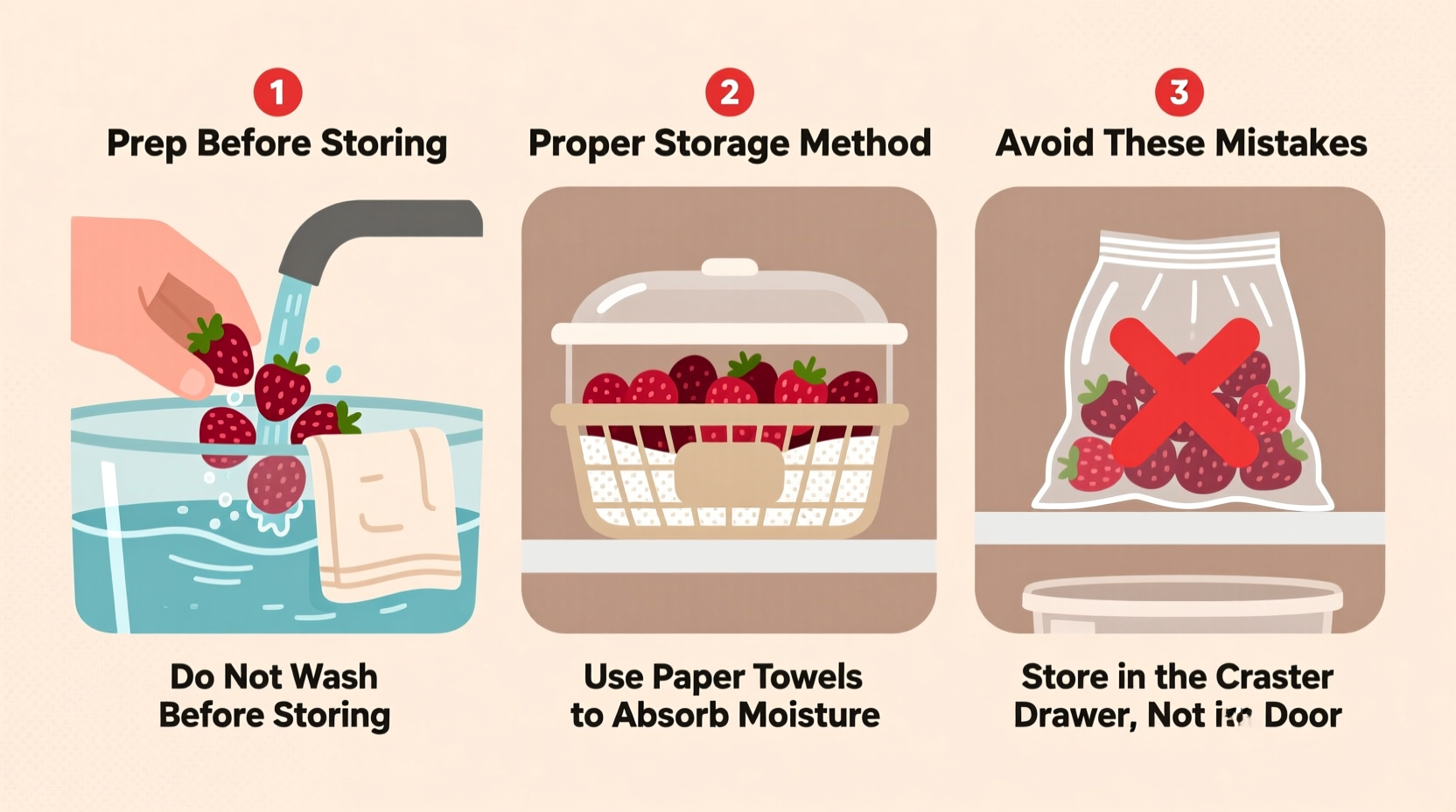
Berries are highly perishable due to their high water content and delicate cell structure. Mold spores, particularly from the genus *Botrytis*, are naturally present in the air and on fruit surfaces. These fungi thrive in moist, warm environments—conditions often created when berries are stored improperly. Once one berry molds, it quickly spreads to others through contact or airborne spores.
Moisture is the primary enemy. Washing berries before storage introduces excess water that gets trapped in crevices, accelerating decay. Additionally, poor airflow in sealed containers creates a humid microclimate ideal for microbial growth. Temperature fluctuations also weaken cell walls, making berries more vulnerable to bruising and rot.
“Mold on berries starts almost immediately after harvest if conditions are favorable. Controlling moisture and temperature is the single most effective way to slow it down.” — Dr. Laura Chen, Postharvest Food Scientist, University of California Cooperative Extension
Step-by-Step Guide to Proper Berry Storage
Extending the life of your berries isn’t complicated, but it does require attention to detail. Follow this proven process to maximize freshness:
- Do Not Wash Immediately: Resist the urge to rinse berries as soon as you get home. Water encourages mold growth by increasing surface moisture. Wait until just before eating to wash them.
- Inspect and Remove Damaged Berries: Go through the container and discard any mushy, bruised, or moldy berries. One spoiled berry can compromise the entire batch.
- Vinegar Wash (Optional but Recommended): For longer shelf life, perform a quick antimicrobial rinse using a solution of 3 parts water to 1 part white vinegar. Submerge berries for 2–3 minutes, then drain and spread them on a clean towel or paper towels.
- Dry Thoroughly: Allow berries to air-dry completely. Gently pat them dry if needed. Any residual moisture will shorten their lifespan in storage.
- Use Breathable Containers: Transfer berries to a container lined with paper towels to absorb excess moisture. Avoid sealing them in airtight plastic without ventilation.
- Refrigerate Promptly: Place berries in the coldest part of your refrigerator—usually the back of the bottom shelf. Keep them away from the door, where temperatures fluctuate.
- Check Daily: Monitor your berries every 24–48 hours. Remove any that show signs of softening or mold to prevent spread.
Best Practices by Berry Type
While all berries benefit from careful handling, each variety has unique needs based on skin thickness, juiciness, and susceptibility to mold.
| Berry Type | Special Handling Needs | Expected Shelf Life (Properly Stored) |
|---|---|---|
| Strawberries | Remove stems only after washing; very sensitive to moisture. Vinegar wash highly recommended. | 7–10 days |
| Blueberries | Naturally waxy coating (\"bloom\") protects against mold. Avoid washing until use. | 10–14 days |
| Raspberries | Most fragile; avoid stacking. Best consumed within a week even with optimal care. | 5–7 days |
| Blackberries | Slightly more durable than raspberries but still prone to crushing. Handle gently. | 6–8 days |
Strawberries: The Most Vulnerable
Strawberries are notorious for molding quickly. Their large surface area and porous texture absorb moisture easily. To combat this, many chefs and food scientists recommend the vinegar soak method. After soaking in the vinegar solution, ensure they are fully dry before refrigerating. Some even suggest storing them in a single layer to prevent pressure points that lead to bruising and decay.
Blueberries: Nature’s Protective Coating
Blueberries come with a natural defense—a silvery-white bloom made of epicuticular wax. This coating repels moisture and inhibits microbial attachment. Never wash blueberries unless you plan to eat them immediately. When stored unwashed in a ventilated container with a paper towel liner, they often last over a week without quality loss.
Common Mistakes That Shorten Shelf Life
Even with good intentions, many people unknowingly sabotage their berry storage efforts. Here are the most frequent errors and how to avoid them:
- Washing too early: Adds moisture that promotes mold. Always wait until just before consumption.
- Leaving berries in original packaging: Store-bought clamshells often lack proper airflow. Transfer to a breathable container lined with absorbent material.
- Piling berries in deep layers: Pressure from upper layers crushes those below, releasing juice and creating breeding grounds for bacteria.
- Storing near ethylene-producing fruits: Apples, bananas, and tomatoes emit ethylene gas, which speeds ripening and decay. Keep berries isolated.
- Using damp paper towels: If the liner is wet, it defeats the purpose. Replace it if it becomes saturated.
Real Example: How One Home Cook Doubled Her Berry Lifespan
Sarah, a meal-prep enthusiast from Portland, used to throw out nearly half her weekly berry purchases due to mold. Frustrated by the waste, she experimented with different storage methods. She started by switching from plastic clamshells to glass containers with perforated lids. Then, she began using the vinegar wash technique and lining containers with dry paper towels.
After implementing these changes, Sarah found her strawberries lasted 9 days instead of 4, and her blueberries stayed firm for nearly two weeks. “I was shocked,” she said. “Now I prep my berries the day I buy them, and I don’t worry about them going bad mid-week. It’s saved me money and reduced food waste dramatically.”
Checklist: How to Store Berries for Maximum Freshness
Follow this checklist every time you buy fresh berries to ensure they stay mold-free and delicious:
- ☐ Inspect berries and remove any damaged or moldy ones
- ☐ Do not wash unless using immediately
- ☐ Optional: Soak in 3:1 water-to-vinegar solution for 2–3 minutes
- ☐ Drain and dry thoroughly on a clean towel
- ☐ Line a container with a dry paper towel
- ☐ Arrange berries in a single or double layer (avoid piling)
- ☐ Cover loosely or use a container with ventilation
- ☐ Store in the coldest part of the fridge (not the door)
- ☐ Check daily and remove any softening berries
- ☐ Wash only before eating
Frequently Asked Questions
Can I freeze berries without washing them?
Yes, but only if they are pristine. If there’s any doubt about cleanliness, rinse them quickly and dry thoroughly before freezing. Freezing unwashed berries with dirt or microbes can lock in contaminants, affecting flavor and safety upon thawing.
Why do some people say not to refrigerate strawberries?
This myth likely stems from concerns about texture changes. Cold temperatures can slightly dull aroma compounds, making strawberries seem less fragrant. However, the trade-off in shelf life far outweighs this minor sensory effect. Refrigeration is essential for preventing mold.
Is the vinegar wash safe for organic berries?
Absolutely. The vinegar solution (typically 25% vinegar, 75% water) is non-toxic and effective at removing surface microbes, including mold spores and bacteria. Rinse well afterward if desired, though residue is harmless.
Advanced Tips for Long-Term Storage
Beyond basic refrigeration, there are several advanced strategies to further extend freshness:
- Use moisture-absorbing packets: Small silica gel packs (food-safe) placed in the container can help regulate humidity without direct contact.
- Store in the crisper drawer with low humidity settings: Many modern fridges have adjustable airflow drawers. Set to low humidity for produce like berries that prefer drier conditions.
- Revive slightly soft berries: If berries are losing firmness but aren’t moldy, soak them in ice water for 15–20 minutes. This can rehydrate cells and restore crispness temporarily.
- Label containers with dates: Track how long berries have been stored to avoid guessing and reduce waste.
“The biggest mistake consumers make is treating all berries the same. Each type responds differently to moisture and temperature. Tailoring your approach pays off in both taste and longevity.” — Chef Marcus Lin, Culinary Instructor and Farm-to-Table Advocate
Conclusion: Fresh Berries Shouldn’t Be a Race Against Time
Fresh berries don’t have to be a fleeting luxury. With a few deliberate steps—delaying washing, using vinegar rinses, drying thoroughly, and storing in ventilated, absorbent-lined containers—you can keep your berries mold-free and vibrant for days longer than average. These practices are simple, cost nothing extra, and yield noticeable results.




 浙公网安备
33010002000092号
浙公网安备
33010002000092号 浙B2-20120091-4
Comments
No comments yet. Why don't you start the discussion?