
A \"no buy year\" is more than a financial challenge—it’s a mindset shift. The goal is simple: avoid non-essential purchases for 365 days. While the concept sounds straightforward, the execution requires planning, discipline, and self-awareness. For many, this journey leads to reduced debt, increased savings, and a deeper understanding of their relationship with consumerism. But success doesn’t come from willpower alone. It comes from strategy.
This guide outlines actionable steps to help you not only survive but thrive during a no buy year. From setting clear boundaries to managing emotional triggers, these practical approaches are designed to support long-term behavioral change and financial freedom.
Define What “No Buy” Really Means for You
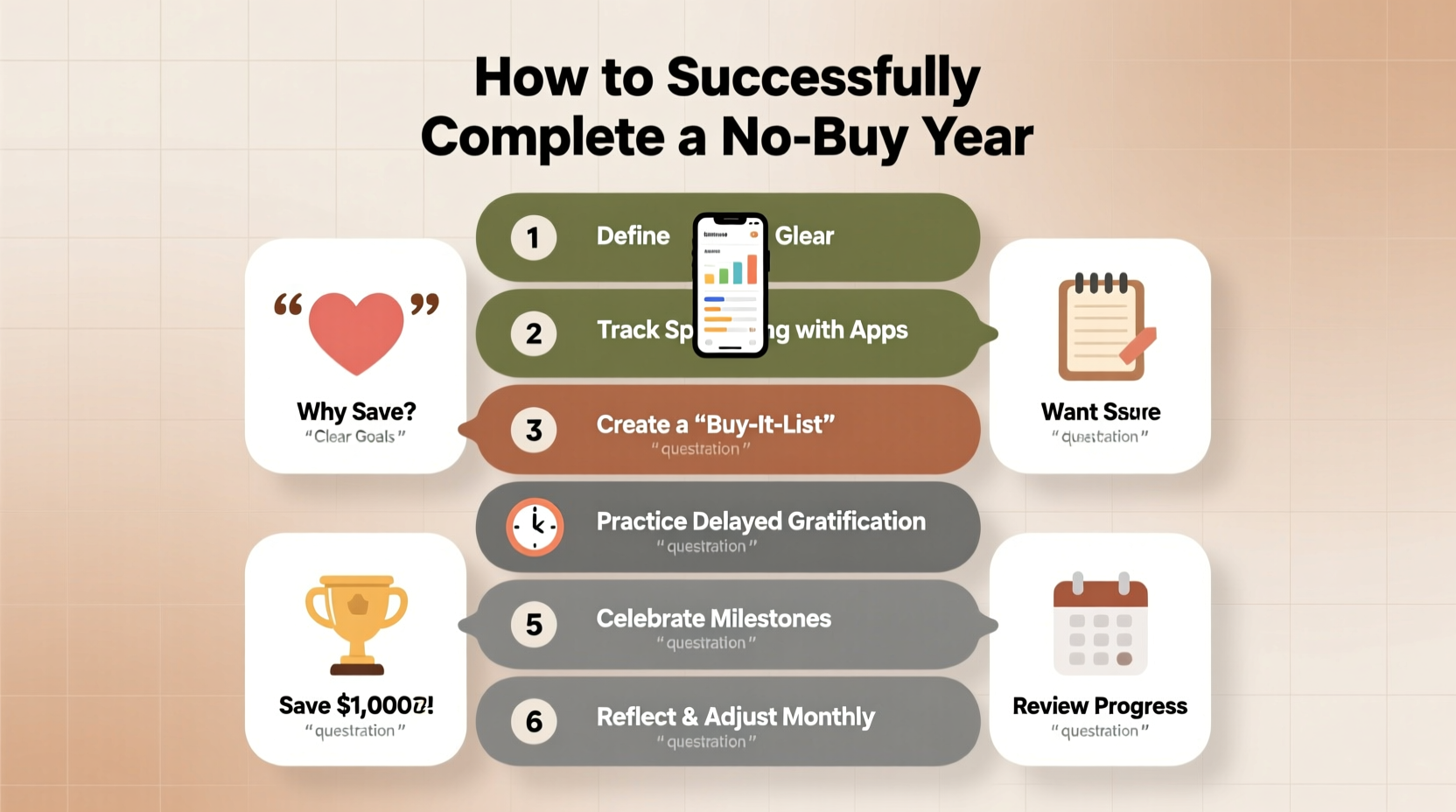
The first step in any no buy challenge is clarity. Without a well-defined scope, exceptions creep in, and motivation fades. A blanket rule like “I won’t buy anything” is unrealistic for most people. Instead, categorize your spending and identify what counts as essential versus discretionary.
Essential purchases might include:
- Food and groceries (but not dining out)
- Medications and healthcare items
- Utilities and housing costs
- Childcare or pet essentials
- Emergency replacements (e.g., a broken phone needed for work)
Discretionary spending—your target for elimination—includes clothing, electronics, home decor, subscriptions, beauty products, and entertainment purchases.
Create a Pre-Challenge Preparation Plan
Jumping into a no buy year without preparation is like starting a diet on an empty fridge. You’ll be tempted to give in when needs arise. Use the month before your challenge begins to audit your current situation and stock up on essentials.
- Inventory your belongings: Take stock of clothes, toiletries, kitchen supplies, and tools. Identify true gaps, not wants disguised as needs.
- Repair or repurpose: Fix broken items now—sew torn clothes, patch shoes, recharge appliances. This reduces future temptation.
- Stock up on consumables: If you’re running low on toothpaste, laundry detergent, or coffee, buy enough to last several months—within reason.
- Cancel recurring subscriptions: Audit all auto-renewals. Cancel those that don’t add daily value.
Do’s and Don’ts During Preparation
| Do | Don't |
|---|---|
| Buy extra socks, underwear, or household basics if truly needed | Purchase new clothes “just in case” |
| Replace a worn-out winter coat if it’s cold season | Upgrade your smartphone because a newer model exists |
| Restock pantry staples at sale prices | Hoard perishable goods beyond use-by dates |
| Invest in quality repair tools (sewing kit, multi-tool) | Buy decorative items “to get ready” |
Build Systems to Resist Temptation
Willpower is finite. Lasting change depends on systems that reduce decision fatigue and environmental triggers. Consider these strategies:
- Unsubscribe from marketing emails: Retailers use psychological tactics to create urgency. Remove the noise.
- Use website blockers: Tools like Freedom or Cold Turkey can block shopping sites during vulnerable times.
- Implement a 30-day wait list: When you feel the urge to buy, write it down and revisit it after a month. Most desires fade.
- Find free alternatives: Borrow books from the library, stream movies through existing services, or explore community events instead of paid ones.
“We often shop to fill emotional voids—boredom, stress, loneliness. A no buy year forces us to confront those patterns.” — Dr. Lena Torres, Behavioral Economist
Real-Life Example: Sarah’s No Buy Journey
Sarah, a 34-year-old graphic designer from Portland, committed to a no buy year after realizing she spent $4,000 annually on clothes and accessories she rarely wore. Her turning point came when she found an unworn dress still tagged in her closet—a year after purchase.
She began by defining her rules: no clothing, beauty products, or home decor. Groceries and gas were allowed, but dining out was limited to special occasions. She canceled three streaming services and unsubscribed from six brand newsletters.
The first two months were tough. She felt deprived when friends posted shopping hauls online. But she replaced retail therapy with free yoga classes and started a capsule wardrobe using existing pieces. By month six, she’d saved over $6,000 and repaired three pairs of boots instead of buying new ones.
“I didn’t miss the stuff,” she said. “I missed feeling in control. Now I do.”
Track Progress and Stay Motivated
Motivation wanes when results aren’t visible. Create a tracking system that shows tangible progress.
Consider these metrics:
- Total money saved week-over-week
- Number of repairs vs. replacements
- Meals cooked at home vs. takeout
- Items borrowed or swapped instead of bought
Join online communities or find an accountability partner. Sharing struggles and wins keeps you grounded and inspired.
No Buy Year Checklist
- Define your personal rules (what’s allowed, what’s not)
- Take inventory of current possessions
- Repair or replace critical broken items
- Cancel unnecessary subscriptions
- Unsubscribe from promotional emails
- Set up a 30-day wait list for cravings
- Create a visual savings tracker
- Plan free or low-cost alternatives for entertainment
- Review progress monthly and adjust as needed
- Celebrate non-spending wins (e.g., fixing something, borrowing instead of buying)
Frequently Asked Questions
What if something breaks or wears out?
If an essential item fails—a pair of glasses, a winter coat, or kitchen appliance—you’re allowed to replace it. The key is intentionality. Ask: Is this necessary for health, safety, or basic function? Can it be repaired first? Aim for functionality over upgrades.
Can I still enjoy hobbies or social events?
Absolutely. The goal isn’t deprivation but mindful spending. Attend potlucks instead of restaurants, borrow equipment from libraries or friends, or host game nights at home. Many fulfilling experiences cost little or nothing.
What happens after the no buy year ends?
The end of the year isn’t a return to old habits. It’s a transition to conscious consumption. Many people adopt a “buy less, choose well” philosophy afterward. The year serves as a reset, helping you distinguish between impulse and intention.
Conclusion: Start Small, Think Long-Term
A no buy year isn’t about punishment—it’s about empowerment. Each avoided purchase is a vote for financial independence, sustainability, and self-awareness. The strategies outlined here aren’t temporary fixes; they’re lifelong tools for breaking compulsive spending cycles.
Start today. Define your boundaries. Prepare your environment. Track your progress. And remember: every dollar you don’t spend is a step toward greater freedom. Whether you save $1,000 or $10,000, the real win is regaining control over your choices.




 浙公网安备
33010002000092号
浙公网安备
33010002000092号 浙B2-20120091-4
Comments
No comments yet. Why don't you start the discussion?