
Eggs are a staple in most kitchens—versatile, nutritious, and easy to prepare. But because they're often stored for weeks, it's crucial to know whether they're still fresh and safe to eat. A spoiled egg can not only ruin a dish but also pose health risks like salmonella poisoning. Fortunately, there are several reliable, low-tech ways to assess an egg’s freshness without cracking it open. The most famous is the floating test, but it's just one of several effective methods. Understanding these techniques helps prevent food waste, ensures meal safety, and gives you confidence in your cooking.
The Floating Test: How It Works
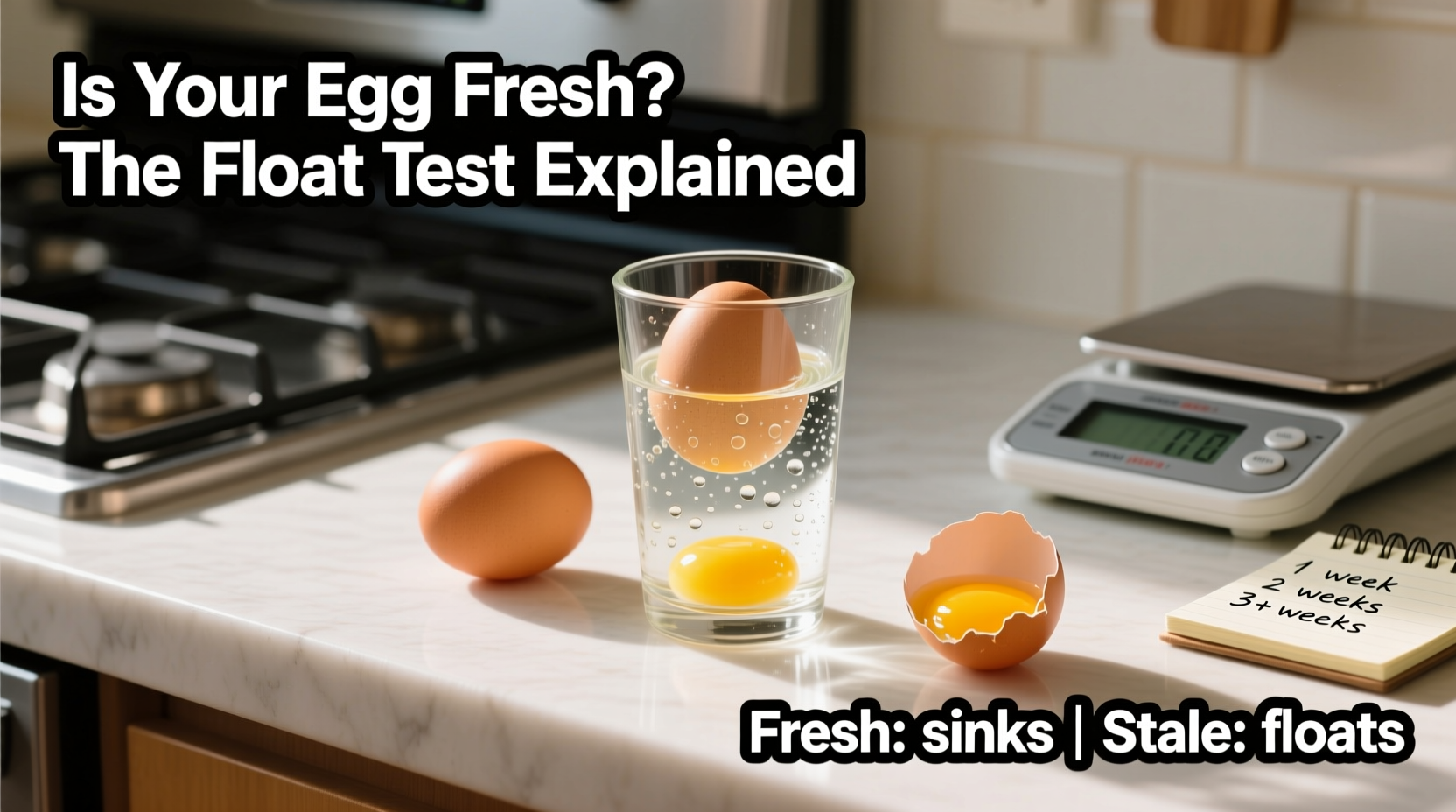
The floating test is a time-tested method used by home cooks and chefs alike to quickly determine an egg’s age. As eggs age, moisture escapes through thousands of tiny pores in the shell, and air gradually replaces it, forming a larger air pocket between the inner and outer membranes at the wider end of the egg. This increasing air space makes older eggs more buoyant.
To perform the test:
- Fill a bowl or glass with cold water (about 4–6 inches deep).
- Gently place the egg into the water.
- Observe how it behaves.
| Egg Behavior in Water | What It Means |
|---|---|
| Lies flat on the bottom | Fresh (1–3 days old) |
| Stands upright on the bottom or tilts slightly | Older but still edible (1–3 weeks old) |
| Floats to the surface | Spoiled — discard immediately |
While this test doesn’t confirm bacterial contamination, it’s a strong indicator of age and degradation. A floating egg has lost so much moisture and gained so much air that its quality is severely diminished. Even if it hasn’t gone rotten, the texture and flavor will be poor.
Other Freshness Tests Beyond Floating
The floating test is useful, but combining it with additional checks increases accuracy. Here are three more practical methods to evaluate egg freshness.
1. The Crack-and-Smell Test
This is the definitive check when you’re ready to cook. Crack the egg onto a clean plate and inspect both appearance and odor.
- Fresh egg: The yolk stands high and round, surrounded by thick, gel-like egg white (albumen) that holds its shape.
- Old but safe egg: The yolk may be flatter, and the white runs freely, but there’s no foul smell.
- Spoiled egg: Strong sulfuric or rotten odor, even if cooked. Discoloration in yolk or white (pink, green, black) indicates bacterial growth.
Never taste a suspect egg. Smell alone is enough to detect spoilage caused by bacteria like Salmonella or Pseudomonas.
2. The Shake Test (Less Reliable but Quick)
Hold the egg close to your ear and gently shake it. If you hear sloshing, the egg is old—the air pocket is large, and the contents have thinned. However, this method isn’t foolproof. Very fresh eggs rarely slosh, but some older eggs may not produce audible movement either. Use this as a preliminary screen, not a final judgment.
3. Candling (Used Commercially, Possible at Home)
Candling involves shining a bright light through the egg in a dark room to observe internal features. Originally done with candles (hence the name), modern flashlights work well. Look for:
- A small, compact air cell (fresh)
- A clearly defined, centered yolk
- Thick albumen with minimal transparency
As eggs age, the air cell expands, the yolk becomes less distinct, and the white appears watery under light. While most home cooks won’t candle regularly, it’s a fascinating way to see freshness changes over time.
Storage Practices That Preserve Egg Freshness
How you store eggs dramatically affects their shelf life and safety. Many people make avoidable mistakes that accelerate spoilage.
Refrigeration Is Key
In the U.S., commercially washed eggs must be refrigerated because the natural protective cuticle is removed during cleaning. Without it, bacteria can penetrate the shell more easily. Keeping eggs cold slows bacterial growth and moisture loss.
Store eggs in their original carton on a middle or lower shelf—never in the fridge door, where temperature fluctuates with every opening.
Room Temperature: When It Might Be Acceptable
In countries where eggs aren’t washed (like the UK), they retain their cuticle and are sold unrefrigerated. These can be safely stored at room temperature for 1–3 weeks. However, once refrigerated, eggs should remain cold. Bringing them back to room temperature encourages condensation on the shell, which can pull bacteria inside.
Freezing Eggs for Long-Term Storage
If you have surplus eggs, freezing extends their usability up to a year. But never freeze them in-shell—they’ll crack. Instead:
- Beat whole eggs lightly with a fork (no need to add salt or sugar unless desired).
- Pour into ice cube trays for portion control (one cube ≈ one egg).
- Transfer frozen cubes to a labeled freezer bag.
Thaw overnight in the fridge before use. Frozen eggs work well in scrambled dishes, baking, and casseroles but aren’t ideal for frying.
Expert Insight: What Food Scientists Say
The science behind egg degradation is well documented. According to Dr. Catherine Donnelly, professor of food microbiology at the University of Vermont:
“Eggs are remarkably resilient, but their defenses weaken over time. The rise in pH and thinning of albumen create a more hospitable environment for pathogens. While refrigeration doesn’t kill bacteria, it significantly slows their proliferation.”
This reinforces why timely consumption matters—even if an egg passes the float test, extended storage increases risk. The USDA recommends using raw eggs within 3 to 5 weeks of purchase, regardless of the carton’s expiration date.
Real Example: A Baker’s Close Call
Sarah, a home baker in Portland, once prepared a custard tart using eggs she’d found at the back of her fridge—two months past the “best by” date. One egg floated, but she dismissed it, thinking, “They’re probably fine.” After cracking it, she noticed the white was unusually runny. She proceeded anyway. During baking, a faint sulfurous smell emerged. The tart set, but upon tasting, it had an off, sour aftertaste. She discarded the rest and later realized she’d taken an unnecessary risk.
Had she relied on multiple tests—floating, visual inspection, and smell—she would’ve avoided the batch entirely. Now, Sarah uses a checklist before baking with older eggs and teaches her kids the float test as a kitchen safety lesson.
Comprehensive Freshness Checklist
Use this step-by-step guide to confidently assess any egg:
- Check the date: Note the pack date or expiration. Eggs are typically good for 4–5 weeks after packing.
- Inspect the shell: Cracks, slime, or powdery mildew indicate contamination.
- Perform the float test: In water, observe position.
- Crack on a plate: Look for yolk height, white thickness, and discoloration.
- Smell: Any hint of sulfur means discard immediately.
- When in doubt, throw it out: No test is 100% perfect. Safety comes first.
Frequently Asked Questions
Can I eat an egg that floats but smells normal?
No. If an egg floats, it’s too old and has degraded significantly. Even without odor, its texture and nutritional quality are compromised, and invisible bacteria may be present. Discard it.
Does the expiration date on the carton matter more than the float test?
The date is a guideline, but actual storage conditions affect freshness. An egg stored poorly may spoil before the date, while a well-stored one might last slightly longer. Use the float and smell tests as real-time indicators.
Why do some hard-boiled eggs have a green ring around the yolk?
This harmless discoloration results from overcooking. Iron in the yolk reacts with hydrogen sulfide in the white. It doesn’t mean the egg was bad beforehand—just boiled too long. To prevent it, boil for 9–12 minutes, then cool rapidly in ice water.
Final Tips and Best Practices
Understanding egg freshness isn’t about rigid rules—it’s about combining observation, science, and common sense. Here’s a summary of best practices:
- Always refrigerate eggs in the U.S. and Canada.
- Use the float test as a quick screening tool.
- Never rely solely on expiration dates.
- Crack eggs into a separate bowl when preparing dishes with multiple eggs—one bad egg can ruin the whole mix.
- Wash hands and surfaces after handling raw eggs to prevent cross-contamination.
Remember, freshness affects more than safety—it impacts performance in recipes. Fresh eggs hold their shape better in poaching, provide structure in meringues, and yield richer flavors in sauces.
Conclusion: Stay Safe, Save Food, and Cook Confidently
Kitchen wisdom evolves, but some tricks endure because they work. The floating test, paired with sensory checks, empowers you to make informed decisions about the eggs in your fridge. You’ll reduce food waste by keeping usable older eggs while avoiding dangerous ones. More importantly, you’ll protect yourself and your family from foodborne illness.




 浙公网安备
33010002000092号
浙公网安备
33010002000092号 浙B2-20120091-4
Comments
No comments yet. Why don't you start the discussion?