
Puppies explore the world with their mouths. Biting is a natural behavior driven by curiosity, teething discomfort, and play instincts. However, allowing this behavior to continue unchecked can lead to serious issues as your dog matures. The key lies not in punishing or intimidating your puppy, but in guiding them toward appropriate behaviors through patience, consistency, and positive reinforcement.
Using aggression to correct biting teaches puppies that force is acceptable, which can escalate reactivity and damage your bond. Instead, effective training relies on understanding canine development and redirecting energy constructively. With the right approach, most puppies learn bite inhibition and self-control within a few weeks.
Understanding Why Puppies Bite
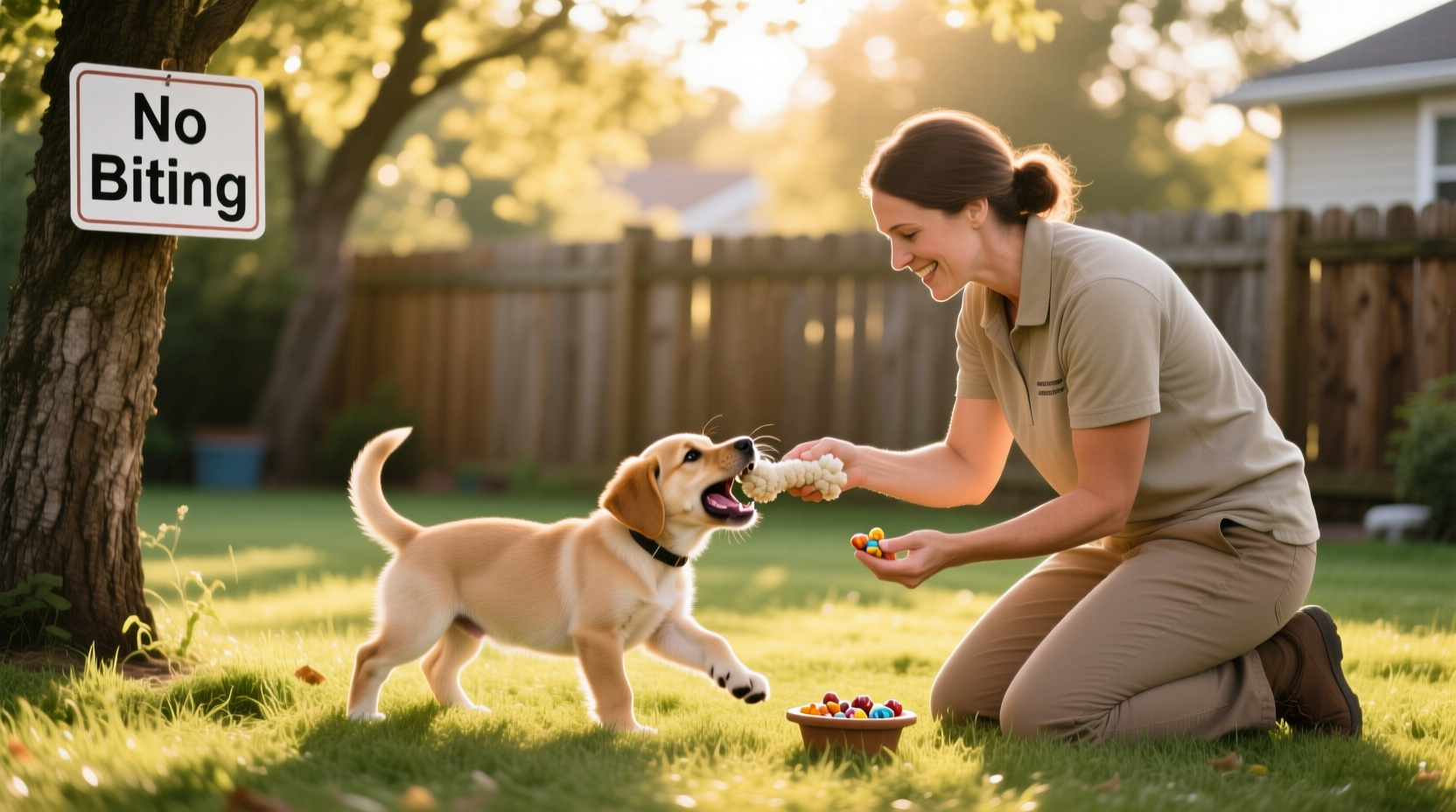
Biting isn’t defiance—it’s communication and exploration. From three to sixteen weeks, puppies engage in social biting during play with littermates. This phase helps them develop bite inhibition: learning how much pressure is too much. When separated from their litter, they must relearn these lessons with humans and other animals.
Common reasons for biting include:
- Teething (3–7 months): Sore gums drive puppies to chew on anything available.
- Overstimulation: Excitement during play or interaction can trigger nipping.
- Attention-seeking: If biting gets a reaction—even negative—it becomes reinforced.
- Lack of boundaries: Without clear rules, puppies assume all interactions are fair game.
Recognizing these motivations allows you to respond appropriately rather than react emotionally.
Step-by-Step Guide to Stop Puppy Biting
Ending unwanted biting requires a structured, consistent method. Follow this timeline-based approach over 2–6 weeks depending on your puppy’s temperament and exposure.
- React Immediately (Day 1+)
When your puppy bites skin, let out a high-pitched “ouch!” similar to a littermate’s yelp. Then immediately stop moving and withdraw attention for 10–20 seconds. This mimics how dogs signal discomfort during play. - Redirect to Appropriate Chew Toys (Day 1+)
After withdrawing, offer a frozen rubber toy or chew rope. Praise enthusiastically when they accept it. Keep durable toys nearby during active times. - Manage Environment (Ongoing)
Limit unsupervised freedom. Use baby gates or pens when you can't monitor closely. Prevent rehearsal of bad habits. - Teach Alternative Behaviors (Week 2+)
Train simple commands like “sit” or “leave it.” Reward calm behavior before excitement builds. Replace biting with structured games like fetch. - Increase Mental Exercise (Week 3+)
A tired mind is less likely to act out. Incorporate puzzle feeders, scent games, and short training sessions daily. - Gradually Increase Tolerance (Week 4+)
Once biting decreases, slowly reintroduce hands during petting while rewarding stillness. Touch desensitization builds trust.
Consistency across all family members is essential. Mixed signals confuse puppies and delay progress.
Do’s and Don’ts of Bite Correction
| Do | Don’t |
|---|---|
| Use time-outs to remove attention after biting | Shout, hit, or pin your puppy down |
| Offer frozen washcloths for teething relief | Give human hands as play objects |
| Reward soft mouthing or no mouthing during handling | Rub faces in mistakes or use choke chains |
| Practice gentle handling every day | Allow rough play that ends in bites |
| Use treats to reinforce calm interactions | Play tug-of-war without rules (e.g., “drop it”) |
Expert Insight: What Animal Behaviorists Recommend
“Puppies don’t grow out of biting—they grow into whatever responses we reinforce. Calm, predictable reactions teach emotional regulation better than any correction.” — Dr. Sophia Yin, DVM, Applied Animal Behaviorist
Dr. Yin emphasized that punishment often suppresses behavior temporarily but fails to teach alternatives. Worse, aversive methods increase fear and defensive aggression. Her research showed that dogs trained with reward-based techniques were more responsive and less stressed in novel situations.
Modern veterinary associations—including the American Veterinary Society of Animal Behavior (AVSAB)—advocate against dominance-based corrections. They recommend managing environment, reinforcing desired actions, and setting puppies up for success.
Real Example: Training Bella, the Labrador Retriever
Bella, a 12-week-old black Lab, joined her new home full of energy. Within days, her owners noticed she nipped during petting, play, and even attempts to pick her up. Frustrated, one owner began saying “no!” sharply and holding her mouth shut—a common but counterproductive tactic.
After consulting a certified trainer, they shifted strategy. They implemented a strict routine:
- Used a leash indoors to gently interrupt biting and guide redirection.
- Introduced a “bite inhibition game”: if teeth touched skin, play stopped; if she used toys, play continued.
- Introduced stuffed Kongs after meals and before bedtime to satisfy chewing needs.
- Trained “touch” and “sit” to channel focus during high-energy moments.
Within three weeks, Bella’s biting dropped by over 90%. By five months, she responded to touch without reacting and chose toys over hands. The change wasn’t due to dominance—but clarity.
Essential Checklist for Bite-Free Living
Use this actionable checklist daily during the first two months of training:
- ✅ Carry a chew toy at all times during waking hours
- ✅ Respond to every bite with an “ouch” and pause in interaction
- ✅ Redirect immediately to an acceptable object
- ✅ End play sessions before overexcitement occurs
- ✅ Practice gentle handling for 2–3 minutes, 2x/day
- ✅ Provide mental stimulation (e.g., food puzzles) daily
- ✅ Supervise all interactions—never allow free-roaming unsupervised
- ✅ Enroll in a positive-reinforcement puppy class by 16 weeks
Mark completed items and review weekly. Progress may be uneven, especially during growth spurts or new environments.
Frequently Asked Questions
Is it normal for my puppy to bite so much?
Yes. Most puppies go through intense chewing and mouthing phases between 8–20 weeks and again around 5–7 months during teething. As long as you’re consistently redirecting and teaching alternatives, frequent biting is typical—not dangerous—if managed early.
What if my puppy only bites one person?
This usually reflects differences in movement, tone, or response style. The targeted person may move more quickly, play more roughly, or react inconsistently. Everyone should follow the same protocol: yelp, freeze, redirect. Over time, the puppy learns no one tolerates biting.
Can I use bitter sprays on my hands or furniture?
Bitter apple or citrus sprays can deter chewing on objects, but avoid applying them to your skin. These products work best on stationary items like table legs or shoes. For hands, focus on prevention and redirection instead.
Conclusion: Building Trust Through Patience
Training a puppy to stop biting isn’t about winning a power struggle—it’s about teaching a new language. Your puppy wants to belong, understand, and feel safe. Every calm interaction strengthens that foundation.
Aggression might produce quick results, but it erodes trust and risks long-term behavioral problems. Positive, consistent guidance creates a confident, well-mannered companion who chooses restraint because it feels right—not because fear demands it.
The habits you build now will shape your dog’s behavior for life. Start today: keep toys handy, stay calm during setbacks, and celebrate small wins. You're not just stopping bites—you're raising a dog who respects boundaries and thrives in human company.




 浙公网安备
33010002000092号
浙公网安备
33010002000092号 浙B2-20120091-4
Comments
No comments yet. Why don't you start the discussion?