
A clogged garbage disposal is one of those household issues that can quickly escalate from a minor annoyance to a full-blown kitchen crisis. The sink stops draining, foul odors rise, and the thought of calling a plumber brings concerns about cost and scheduling. But in most cases, you don’t need professional help. With basic tools and a methodical approach, you can resolve the clog yourself—safely and efficiently.
This guide walks you through every step, from identifying the cause of the blockage to restoring full function to your disposal. Whether it’s a jam caused by fibrous food waste or a slow drain due to grease buildup, these techniques have been tested in real kitchens and deliver consistent results.
Understanding How Garbage Disposals Work
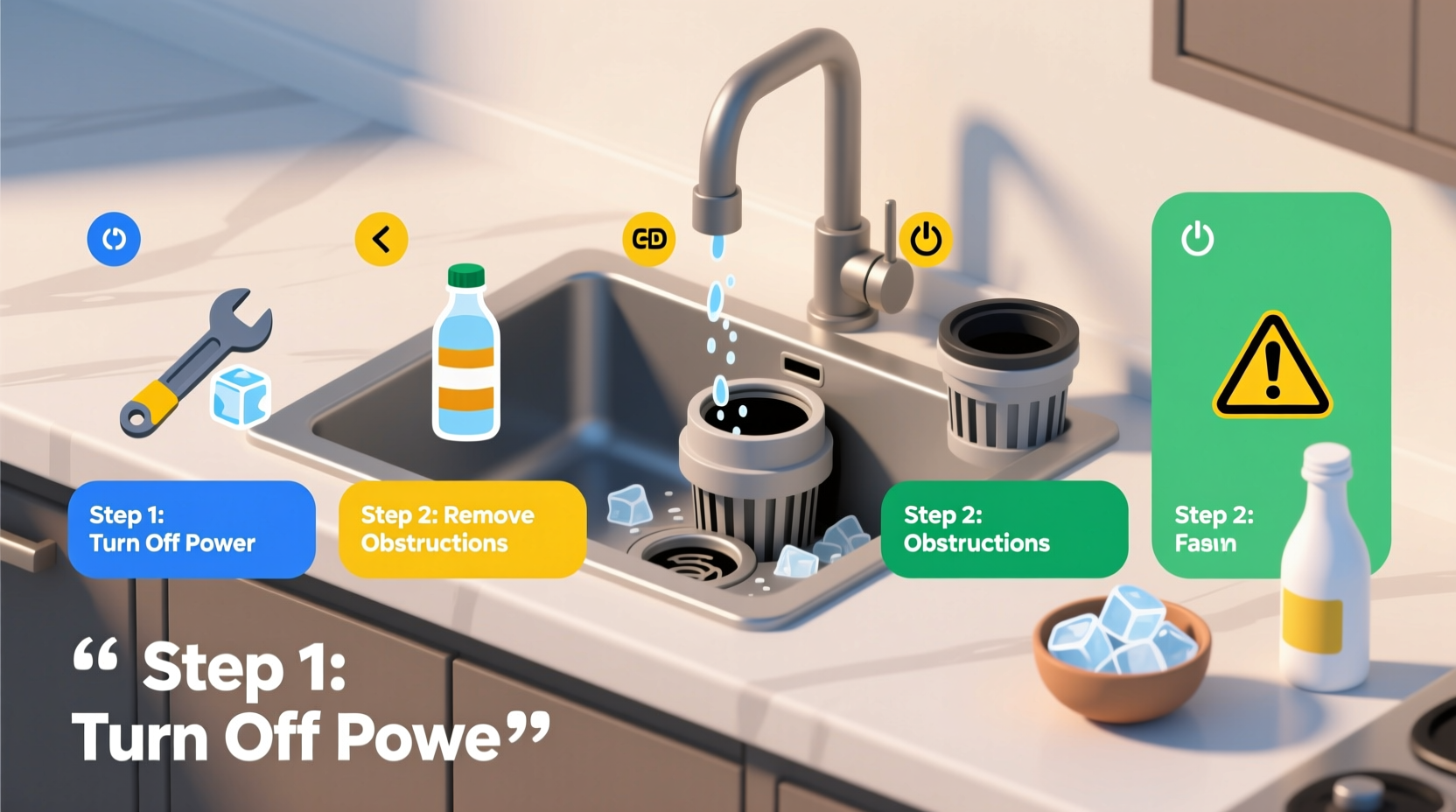
Before attempting any fix, it helps to understand what’s happening under your sink. A garbage disposal is an electrically powered device installed beneath the sink that grinds food waste into small particles, allowing them to pass through the plumbing system. It doesn’t have blades like a blender; instead, it uses impellers—blunt rotating arms—that push food against a grind ring.
Clogs typically occur when:
- Fibrous materials (like celery, onion skins, or corn husks) wrap around the impellers.
- Fats, oils, and grease solidify inside the drain pipe.
- Dense items (bones, fruit pits) get stuck and prevent rotation.
- Excessive food waste overwhelms the grinding chamber.
When the disposal hums but doesn’t grind, it’s likely jammed. If it makes no sound at all, the motor may be tripped or the unit completely blocked.
“Most so-called ‘clogs’ are actually mechanical jams that can be cleared in under 20 minutes with the right tools.” — Mark Reynolds, Master Plumber with 25 years of residential experience
Step-by-Step Guide to Unclogging Your Garbage Disposal
Follow this sequence carefully. Skipping steps or rushing can lead to injury or damage to the unit.
- Turn Off Power at the Source
Safety first. Unplug the disposal from the electrical outlet underneath the sink. If it’s hardwired, switch off the circuit breaker labeled for the disposal. Never work on a live unit. - Inspect the Chamber with a Flashlight
Shine a flashlight into the disposal opening. Look for visible obstructions: bones, silverware, or large chunks of food. Do not put your hand inside yet. - Use Tongs or Pliers to Remove Loose Debris
With power still off, use long-handled tongs or needle-nose pliers to extract any accessible material. Avoid using hands—even if gloves are worn. - Check for Jammed Impellers
Look down into the chamber. If the turntable (the circular plate at the bottom) doesn’t move freely when nudged with a wooden spoon, it’s jammed. - Locate the Hex Wrench (Allen Key)
Most disposals come with a 1/4-inch hex wrench stored near the unit or included in the installation kit. Insert it into the hole at the bottom center of the disposal. - Manually Rotate the Motor
Turn the wrench back and forth—clockwise and counterclockwise—to break up the jam. You’ll feel resistance at first. Keep working it until the shaft turns smoothly in both directions. - Reset the Disposal
Once rotation is restored, plug the unit back in or restore power at the breaker. Press the red reset button on the bottom or side of the disposal (if it has one). This resets the internal overload protector. - Test the Unit
Turn on a steady stream of cold water and flip the wall switch. The disposal should start smoothly and run without loud grinding noises. If it hums but doesn’t spin, repeat the manual rotation step. - Flush with Cold Water and Ice Cubes
Run cold water for 30 seconds while feeding in a handful of ice cubes. This helps clean the impellers and flush out residual debris. - Clear the Drain Line (If Sink Still Drains Slowly)
Even after clearing the disposal, the clog might extend into the drainpipe. Use a plunger or mix 1/2 cup baking soda with 1/2 cup vinegar, pour it down the drain, wait 15 minutes, then flush with boiling water.
Common Mistakes That Make Clogs Worse
Even well-meaning homeowners often worsen the problem by using improper techniques. Here’s what not to do:
| Don't | Why It's Harmful | Do Instead |
|---|---|---|
| Use chemical drain cleaners | They can corrode metal components and damage PVC pipes | Use natural solutions like baking soda and vinegar |
| Put your hand inside the chamber | Risk of laceration from sharp grind rings or sudden activation | Use tongs or pliers only, with power disconnected |
| Run hot water during grinding | Melts grease, which re-solidifies further down the pipe | Always use cold water when operating the disposal |
| Ignore recurring jams | Indicates deeper issue like improper installation or pipe narrowing | Investigate frequency and consult a pro if repeated monthly |
| Grind fibrous or starchy foods regularly | Strands wrap around impellers; starches expand and stick | Limit disposal use to soft, non-fibrous scraps |
Real Example: Clearing a Month-Old Grease Clog
Sarah in Portland noticed her disposal was sluggish after disposing of turkey drippings post-Thanksgiving. She ran hot water to “melt” the fat, but two weeks later, the sink wouldn’t drain at all. The unit hummed but didn’t turn.
She followed the steps above: cut power, removed visible debris with pliers, and used the hex wrench to manually rotate the motor. After several attempts, she felt the resistance give way. Upon resetting and testing, the disposal started—but water still pooled.
She then poured a mixture of baking soda and vinegar down the drain, let it sit for 20 minutes, and flushed with boiling water. The sink drained fully within minutes. Sarah now runs ice cubes through the disposal weekly and avoids pouring fats down the sink.
This case illustrates how a single misuse can trigger a chain reaction—and how proper troubleshooting resolves even stubborn clogs.
Prevention Checklist: Keep Your Disposal Running Smoothly
Preventing clogs is easier than fixing them. Incorporate these habits into your routine:
- ✅ Always use cold water when running the disposal
- ✅ Avoid putting fibrous vegetables, coffee grounds, eggshells, or pasta/rice down the drain
- ✅ Never pour grease, oil, or fat directly into the sink
- ✅ Grind small amounts of food at a time—don’t overload
- ✅ Clean the rubber splash guard regularly with a damp cloth
- ✅ Run ice cubes and salt through the unit once a week to sharpen impellers and remove buildup
- ✅ Flush monthly with a mix of baking soda and vinegar followed by hot water
Frequently Asked Questions
Can I use a plunger on a garbage disposal?
Yes, but only after turning off the power and removing standing water if possible. Seal the plunger over the drain and use firm up-and-down motions. Cover the other sink drain if you have a double basin to create better suction. Plunging can dislodge clogs in the trap or branch line.
What if the disposal won’t turn on even after resetting?
If the unit remains unresponsive after pressing the reset button and checking the circuit breaker, the issue could be a blown internal fuse, faulty wiring, or a failed motor. In such cases, replacement may be more cost-effective than repair. However, double-check that the outlet is functional by plugging in another device.
Is it safe to use vinegar and baking soda regularly?
Yes. Unlike chemical cleaners, baking soda and vinegar are non-corrosive and environmentally friendly. They help neutralize odors and break down organic residue without damaging seals or pipes. Use this combination once a month for maintenance.
When to Consider Replacement Over Repair
While most clogs are fixable, some situations call for replacing the unit:
- The disposal is over 10 years old and frequently jams.
- Rust or leaks are visible on the body or connections.
- It produces a burning smell when operated.
- No amount of manual cranking restores movement.
Modern disposals are energy-efficient and quieter than older models. Replacing a problematic unit can save future headaches and reduce water waste from repeated clogs.
Final Thoughts: Take Control of Your Kitchen Plumbing
Unclogging a garbage disposal isn’t just about fixing a momentary problem—it’s about gaining confidence in managing your home. By understanding the mechanics, respecting safety protocols, and adopting preventive habits, you eliminate unnecessary service calls and protect your plumbing system.
The next time your disposal stalls, don’t panic. Turn off the power, grab the hex wrench, and follow the steps outlined here. More often than not, you’ll have it running smoothly again in under half an hour. And with regular care, you’ll minimize the chances of it happening again.




 浙公网安备
33010002000092号
浙公网安备
33010002000092号 浙B2-20120091-4
Comments
No comments yet. Why don't you start the discussion?