
The moment you bring a real Christmas tree into your home, the air fills with a crisp, earthy pine aroma that instantly signals the holiday season. But over time, especially as the tree dries out, that fragrance can fade. Rather than relying on artificial sprays or scented candles that may introduce unwanted chemicals, many households are turning to essential oil diffusers to revive and amplify the natural pine scent of their trees. When used thoughtfully, diffusers can deepen the olfactory experience of the holidays—creating a warm, inviting atmosphere without overpowering or masking the tree’s authentic aroma.
Essential oils offer a clean, customizable way to complement the natural scent of fir, spruce, or pine. Unlike synthetic air fresheners, high-quality essential oils are derived from plants and can be blended to create layered, seasonal fragrances. With proper technique, you can use a diffuser not only to boost the pine notes in your living space but also to evoke feelings of calm, nostalgia, and celebration. This guide walks through the science, safety, and strategy behind using essential oil diffusers to elevate your Christmas tree's natural scent.
Understanding the Natural Scent of Christmas Trees
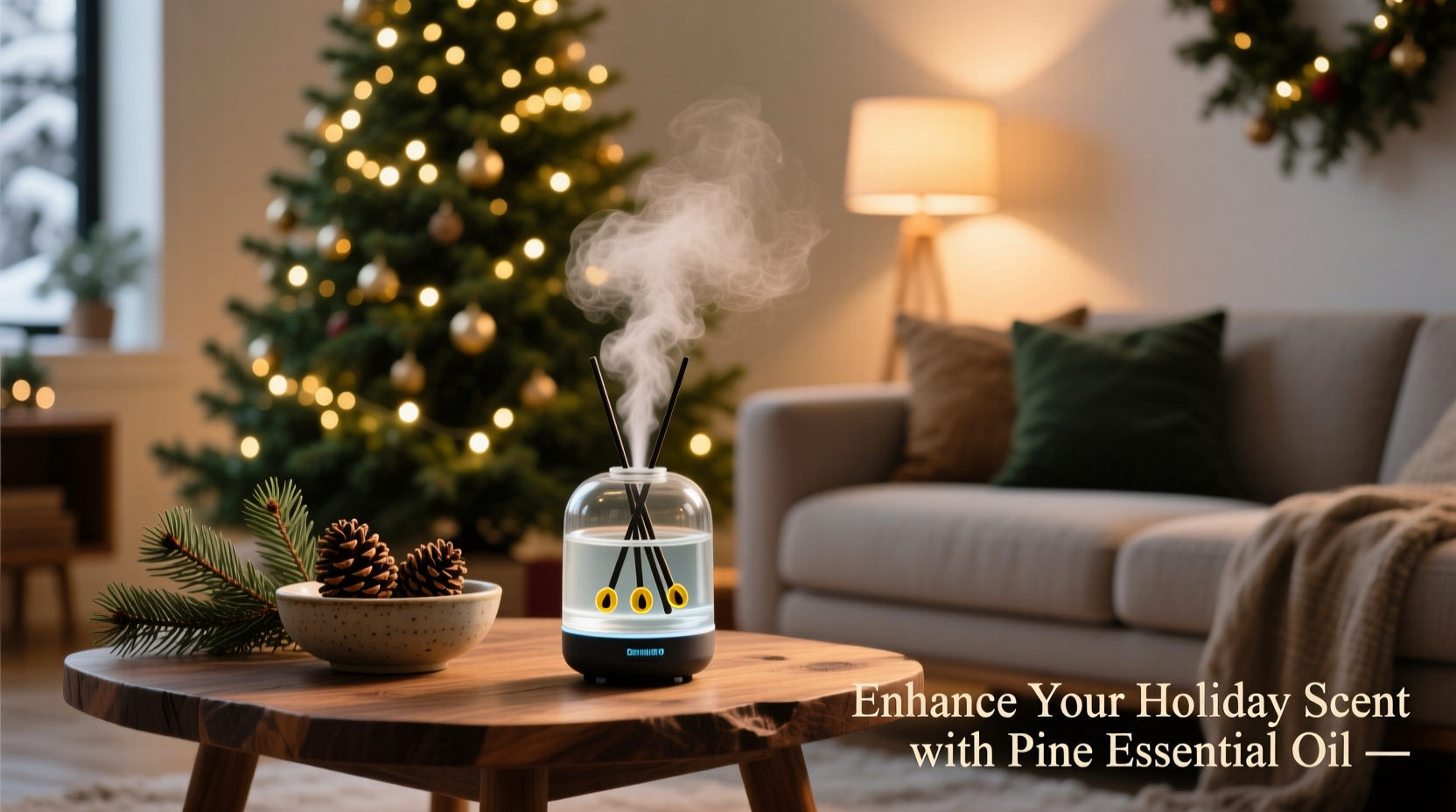
Real Christmas trees emit their signature fragrance due to volatile organic compounds (VOCs) like pinene, limonene, and camphene found in their needles and sap. These compounds are responsible for the sharp, refreshing, woodsy smell most associate with winter holidays. However, the intensity of this scent depends on several factors:
- Freshness: A freshly cut tree releases more aromatic compounds than one that has been sitting for days.
- Hydration: Well-watered trees stay fragrant longer; dry trees lose their scent quickly.
- Room temperature: Warmer rooms increase VOC evaporation, intensifying scent initially—but accelerating drying.
- Air circulation: Drafts or HVAC systems can disperse the scent unevenly.
While nothing replaces the authenticity of a healthy, hydrated tree, essential oil diffusers can help maintain a consistent ambient pine presence, particularly in larger homes or areas distant from the tree.
Choosing the Right Essential Oils for a Pine-Like Fragrance
To authentically enhance—not replace—the scent of your Christmas tree, select essential oils that mirror its natural chemistry. The best options are coniferous or evergreen-based oils known for their terpene-rich profiles:
- Pine Oil (Pinus sylvestris): Bright, sharp, and unmistakably forest-like. It closely mimics the scent of a live pine tree.
- Fir Needle Oil (Abies alba or Abies balsamea): Softer and slightly sweeter than pine, fir offers a clean, uplifting aroma reminiscent of mountain forests.
- Spruce Oil (Picea spp.): Earthy and resinous, spruce adds depth and warmth, making it ideal for blending.
- Cedarwood Oil (Cedrus atlantica): Though not a true Christmas tree species, cedarwood contributes a grounding, woody base note that enhances longevity.
- Frankincense: Adds a subtle ceremonial richness, often associated with holiday traditions.
For a more complex and festive profile, consider blending pine-family oils with complementary citrus or spice notes:
| Blend Name | Essential Oils | Effect |
|---|---|---|
| Forest Evergreen | 6 drops Fir, 3 drops Spruce, 1 drop Cedarwood | Pure woodland aroma, ideal for daily diffusion |
| Frosted Pine | 5 drops Pine, 3 drops Sweet Orange, 2 drops Frankincense | Bright and warming—evokes snow-covered pines at sunrise |
| Holiday Hearth | 4 drops Spruce, 3 drops Cinnamon Bark*, 2 drops Clove Bud* | Spiced evergreen—best for short evening sessions |
“Using coniferous essential oils in diffusers during winter months taps into olfactory memory, enhancing emotional connection to seasonal traditions.” — Dr. Lena Pruitt, Aromatherapy Researcher, University of Vermont
*Note: Cinnamon bark and clove bud are potent and potentially irritating; always dilute heavily and limit diffusion time to 30 minutes max.
Step-by-Step Guide: Using Your Diffuser to Enhance Tree Scent
Follow this five-step process to safely and effectively use your essential oil diffuser alongside your Christmas tree:
- Assess your tree’s current scent level. Sniff near the trunk and lower branches. If the pine aroma is faint, now is the time to begin supplemental diffusion.
- Select a high-quality ultrasonic diffuser. These units disperse essential oils via cool mist, preserving delicate aromatic compounds and adding humidity—beneficial for tree hydration.
- Fill the reservoir with distilled water. Tap water contains minerals that can clog the diffuser and alter scent dispersion. Fill to the indicated line.
- Add 6–8 total drops of essential oil blend. Start on the lower end (4–5 drops) if sensitive to scent. Use a blend focused on fir, pine, or spruce as the dominant note.
- Position the diffuser strategically. Place it 4–6 feet from the tree, ideally at floor level where cooler air carries scent upward. Run for 30–60 minutes at a time, 2–3 times per day.
Monitor how the scent builds in your space. Overuse can lead to olfactory fatigue, where your nose stops registering the fragrance. Cycling diffusion periods with breaks helps maintain sensitivity.
Do’s and Don’ts of Diffusing Around Christmas Trees
While diffusers are generally safe, combining them with real trees requires awareness of fire hazards, material sensitivities, and pet safety. Follow this guide to avoid common pitfalls.
| Do | Don't |
|---|---|
| Use a diffuser with automatic shut-off when water runs low | Place diffusers directly on or under the tree stand |
| Diffuse during daytime hours when the tree is well-hydrated | Use plastic-compatible oils near PVC tree skirts or decor |
| Choose 100% pure, therapeutic-grade oils without additives | Diffuse cinnamon, clove, or oregano oils continuously—they’re skin irritants and too strong |
| Keep diffuser away from pets and children | Assume all “pine-scented” oils are safe—some are synthetic blends |
| Wipe down diffuser weekly to prevent oil buildup | Run diffusers overnight unattended |
Always check labels for oil purity. Reputable brands list botanical names (e.g., *Abies balsamea*) and provide GC/MS test results. Avoid “fragrance oils,” which are often petroleum-based and lack therapeutic properties.
Mini Case Study: Reviving a Drying Tree in a Large Living Room
The Carter family in Colorado Springs brings in a 7-foot Fraser fir each December. Last year, by mid-December, they noticed the tree’s scent had faded despite regular watering. Their open-concept living room made it difficult for the fragrance to concentrate, especially in the kitchen and hallway.
They introduced an ultrasonic diffuser on a console table five feet from the tree, using a blend of 5 drops balsam fir, 2 drops sweet orange, and 1 drop cedarwood. They ran it for 45 minutes in the morning and evening. Within two days, family members commented that the house “smelled like Christmas again.”
Crucially, they avoided placing the diffuser too close to the tree, preventing needle dampness. They also rotated blends—using a lighter pine-citrus mix during the day and a deeper spruce-frankincense blend on evenings with guests. By Christmas Day, the tree still retained some natural scent, and the diffuser helped sustain the festive ambiance throughout the season.
Checklist: Holiday Diffusing Best Practices
Before you start diffusing this season, go through this checklist to ensure safety, effectiveness, and enjoyment:
- ☐ Choose a diffuser with adjustable mist settings and timer function
- ☐ Verify essential oils are 100% pure and stored in amber glass bottles
- ☐ Test blends in small amounts before full diffusion
- ☐ Position diffuser at least 4 feet from the tree and electrical lights
- ☐ Limit continuous diffusion to 60 minutes; allow 60-minute breaks
- ☐ Clean diffuser reservoir every 3–4 uses with white vinegar and water
- ☐ Keep diffuser out of reach of pets and children
- ☐ Monitor tree water levels daily—do not let it run dry
- ☐ Discontinue use if anyone experiences headaches, coughing, or irritation
- ☐ Turn off diffuser when leaving home or sleeping
Frequently Asked Questions
Can I use essential oils directly on my Christmas tree?
No. Spraying essential oils onto tree branches can accelerate drying, attract dust, and pose a fire risk near lights. Always use a diffuser to disperse oils into the air safely.
Are there essential oils I should avoid around pets?
Yes. Oils like tea tree, eucalyptus, citrus, pine, and cinnamon can be toxic to cats and dogs when diffused. If you have pets, opt for pet-safe alternatives like lavender (in moderation) or avoid diffusion in rooms they occupy. Consult your veterinarian if unsure.
How long should I diffuse each day?
Limit diffusion to 30–60 minutes at a time, 2–3 times per day. Continuous diffusion can cause respiratory irritation and reduce scent sensitivity. Intermittent use preserves both air quality and aromatic impact.
Conclusion: Create a Naturally Festive Atmosphere
The scent of a Christmas tree does more than decorate your home—it anchors memories, stirs emotion, and deepens the spirit of the season. While no diffuser can replicate the complexity of a living evergreen, essential oils offer a powerful way to support and enrich that natural fragrance. By selecting authentic coniferous oils, using diffusers responsibly, and blending with intention, you can extend the sensory joy of your tree throughout December.
This holiday season, let your home tell a story through scent—one rooted in nature, mindfulness, and tradition. With just a few drops of fir or pine oil, you're not just filling a room with aroma; you're cultivating an experience. Start simple, observe how your space responds, and refine your blends to match your family’s rhythm. The result will be a Christmas atmosphere that feels truly alive.




 浙公网安备
33010002000092号
浙公网安备
33010002000092号 浙B2-20120091-4
Comments
No comments yet. Why don't you start the discussion?