
Drooling is one of the most common sights in infancy—babies seem to produce endless streams of saliva, often soaking through bibs and dribbling down their chins. While this can be messy and sometimes concerning for new parents, drooling is typically a normal part of early development. However, there are times when excessive drooling may signal an underlying issue. Understanding the difference between typical developmental drool and potential red flags helps parents respond appropriately and confidently.
Why Do Babies Drool So Much?
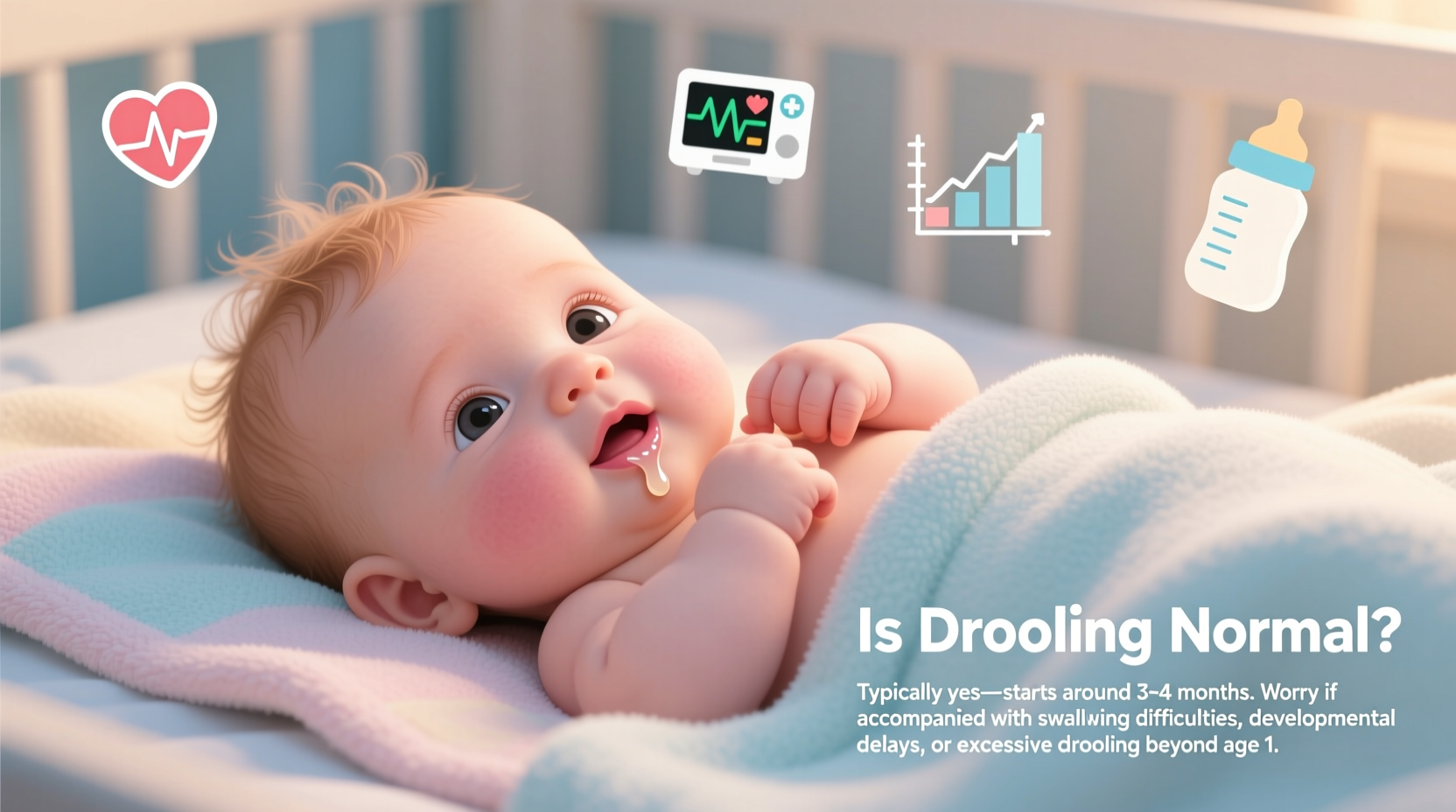
Infants begin producing saliva within the first few weeks of life, but drooling becomes more noticeable around 3 to 6 months. This increase coincides with several key developmental milestones. At this age, babies start exploring the world orally—putting hands, toys, and anything within reach into their mouths. This oral exploration stimulates salivary glands and leads to more visible drool.
Another major factor is that infants haven’t yet mastered swallowing. The coordination between sucking, swallowing, and breathing takes time to develop. Until then, excess saliva tends to pool in the mouth and spill over.
Drooling also increases during teething, which usually begins around 6 months. As teeth push through the gums, they irritate nerve endings connected to the salivary glands, prompting even more saliva production.
Developmental Timeline of Infant Drooling
Drooling patterns evolve as babies grow. Recognizing what’s typical at each stage helps distinguish normal behavior from cause for concern.
- 0–3 months: Minimal drooling. Saliva production is present but mostly used for digestion and lubrication during feeding.
- 3–6 months: Drooling increases significantly. Oral motor skills are still developing, so babies don’t swallow efficiently yet.
- 6–9 months: Peak drooling period. Teething often begins, and hand-to-mouth activity intensifies.
- 9–12 months: Drooling starts to decrease as swallowing and mouth control improve. Most babies gain better coordination by their first birthday.
- After 18 months: Persistent, excessive drooling beyond this point may warrant evaluation, especially if accompanied by developmental delays.
When Is Drooling a Cause for Concern?
While drooling is generally harmless, certain signs suggest it may be more than just a phase. Parents should consult a pediatrician if any of the following occur:
- Sudden onset of heavy drooling in an older infant or toddler who previously didn’t drool excessively.
- Drooling combined with fever, difficulty swallowing, or refusal to eat—possible signs of infection like strep throat or tonsillitis.
- Foul-smelling breath or visible sores in the mouth, which could indicate oral thrush or another infection.
- Lack of other developmental milestones, such as not sitting up by 8 months or not babbling by 9 months, especially if paired with persistent drooling.
- Choking, gagging, or breathing difficulties related to saliva buildup.
“Drooling is expected in infants under one year, but when it persists beyond 18 months or interferes with daily function, it’s worth investigating further.” — Dr. Lena Patel, Pediatric Neurologist
Common Conditions Linked to Excessive Drooling
In some cases, chronic drooling (known medically as sialorrhea) may be associated with neurological or developmental conditions. These include:
| Condition | Description | Associated Symptoms |
|---|---|---|
| Cerebral Palsy | A group of disorders affecting movement and muscle tone, often due to brain injury before or during birth. | Poor head control, delayed motor skills, stiff or floppy limbs. |
| Down Syndrome | Genetic condition caused by an extra chromosome 21, affecting physical and cognitive development. | Low muscle tone, distinctive facial features, speech delays. |
| Autism Spectrum Disorder (ASD) | Neurodevelopmental disorder affecting communication and behavior. | Delayed language, repetitive behaviors, limited eye contact. |
| Swallowing Disorders (Dysphagia) | Difficulty coordinating the muscles involved in swallowing. | Coughing while eating, frequent choking, weight loss. |
It’s important to emphasize that drooling alone does not mean a child has one of these conditions. Diagnosis requires comprehensive evaluation by healthcare professionals.
How to Manage Infant Drooling at Home
While you can’t stop drooling entirely, you can minimize discomfort and prevent complications like rashes or infections.
Step-by-Step Care Routine
- Use absorbent bibs: Change them frequently to keep the chin and neck dry.
- Gently wipe saliva: Use a soft cloth to dab (not rub) the skin around the mouth and neck.
- Apply a protective barrier: Use a fragrance-free moisturizer or petroleum jelly to prevent chafing.
- Keep toys clean: Chewed toys can harbor bacteria; wash them daily with mild soap.
- Encourage cup drinking: Around 6–9 months, introduce a sippy cup to help develop oral motor control.
Mini Case Study: When Drooling Was a Warning Sign
Sophie, a 10-month-old, had always been a happy drooler. Her parents assumed it was tied to teething since two bottom teeth had recently emerged. But over two weeks, her drooling intensified dramatically. She began refusing bottles, cried during feedings, and developed a low-grade fever. Her neck appeared stiff, and she stopped rolling over—a skill she’d mastered weeks earlier.
Concerned, her parents took her to the pediatrician. After examination, Sophie was diagnosed with a bacterial infection in her throat that was causing pain and difficulty swallowing. The excessive drooling wasn’t developmental—it was a symptom of illness. With antibiotics and supportive care, she recovered fully within a week.
This case illustrates how drooling, when sudden and paired with other symptoms, can be a valuable clue to underlying health issues.
FAQ: Common Questions About Infant Drooling
Is it normal for a 4-month-old to drool constantly?
Yes. Around 3–6 months, increased drooling is completely normal due to developing salivary glands and oral exploration. As long as your baby is feeding well, gaining weight, and meeting milestones, constant drooling is not a concern.
Can too much drool hurt my baby?
The drool itself isn’t harmful, but prolonged moisture on the skin can lead to irritation, rashes, or yeast infections. Keeping the area clean and dry prevents complications.
Should I be worried if my 1-year-old still drools a lot?
Some drooling at one year is still within the normal range, especially if your child is actively teething or hasn’t fully developed swallowing control. However, if drooling is severe, causes social challenges, or is accompanied by speech or motor delays, discuss it with your pediatrician.
Checklist: When to Seek Medical Advice
- ☑ Drooling starts suddenly after 12 months
- ☑ Baby shows signs of pain while eating or swallowing
- ☑ Fever accompanies increased drooling
- ☑ Skin around the mouth becomes cracked, red, or infected
- ☑ Delayed developmental milestones (e.g., not sitting, poor head control)
- ☑ Breathing difficulties or constant nasal congestion
Conclusion: Trust Your Instincts
Infant drooling is overwhelmingly a normal, temporary phase tied to growth and development. It’s a sign that your baby is exploring their body and environment, preparing for solid foods, and building essential oral motor skills. With simple hygiene practices, most drool-related issues can be managed at home.
But parenting also involves knowing when to seek help. If drooling feels excessive, appears abruptly, or comes with other troubling symptoms, don’t hesitate to consult your pediatrician. Early intervention can make a significant difference in outcomes, especially if an underlying condition is present.




 浙公网安备
33010002000092号
浙公网安备
33010002000092号 浙B2-20120091-4
Comments
No comments yet. Why don't you start the discussion?