
The iPhone 7 and iPhone 6s share nearly identical dimensions, leading many users to wonder: can you safely use an iPhone 6s case on an iPhone 7? At first glance, it seems like a smart way to save money or reuse a favorite case. But is this compatibility a stroke of genius—or a hidden risk? The answer isn’t straightforward, and depends on more than just size. From camera alignment to button placement and water resistance, subtle differences matter.
Apple designed the iPhone 7 as a direct successor to the 6s, maintaining the same 4.7-inch form factor. This continuity makes cross-compatibility tempting. However, even minor design shifts can compromise functionality, durability, and protection. Let’s examine the technical realities, user experiences, and practical trade-offs of using a 6s case on a 7.
Physical Dimensions and Design Differences
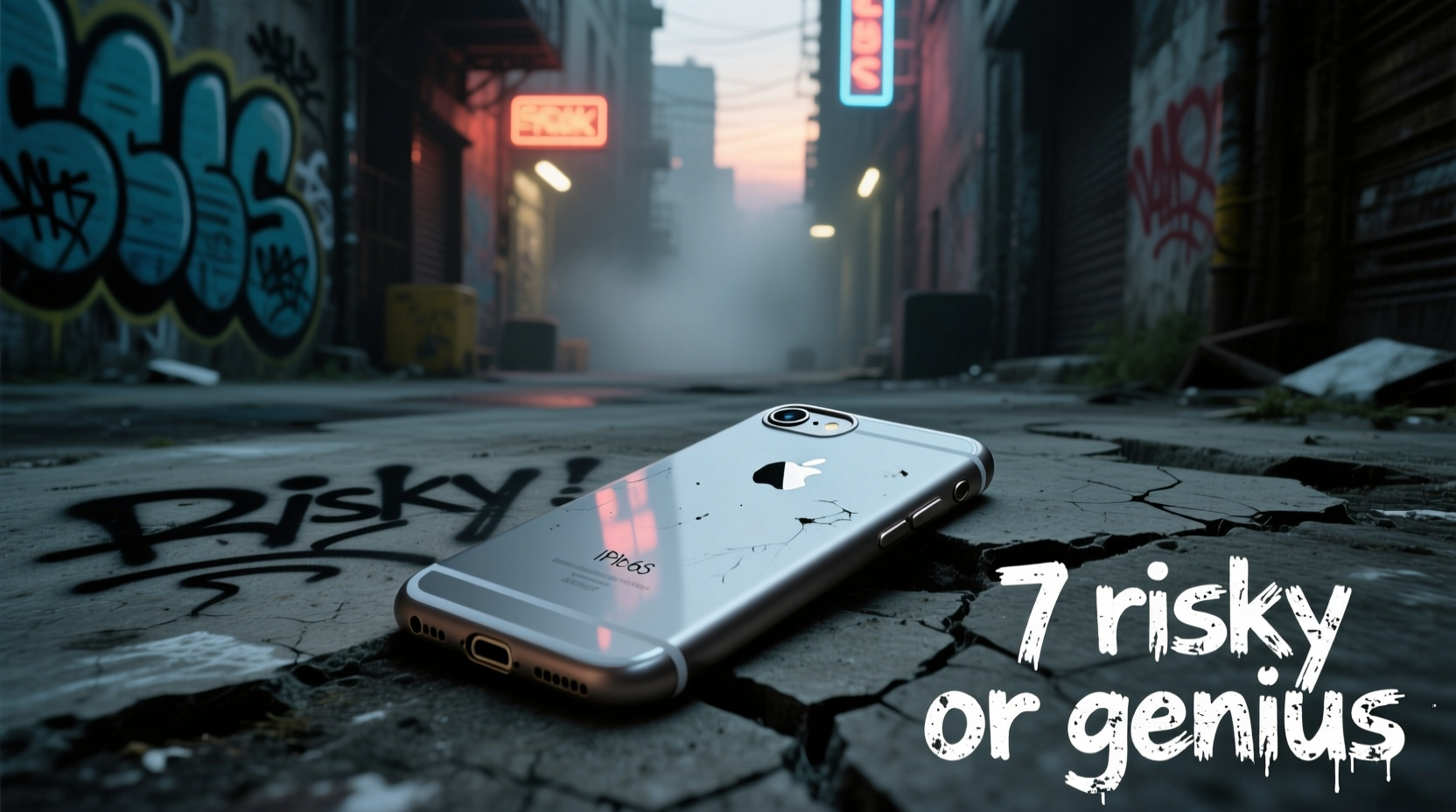
On paper, the iPhone 6s and iPhone 7 are nearly twins. Both measure 138.3 mm in height, 67.1 mm in width, and 7.1 mm in thickness. They also share the same weight—143 grams—making them feel identical in hand. Given these similarities, it's no surprise that most iPhone 6s cases will physically fit an iPhone 7.
However, close inspection reveals key differences:
- Camera module: The iPhone 7 features a slightly larger rear camera bump. While minimal, this can cause fit issues with snug-fitting 6s cases, potentially leading to pressure on the lens or obstructed flash.
- Speaker grilles: The iPhone 7 replaced the single lower speaker grille with dual stereo speakers. Cases designed for the 6s may block one of these, reducing audio quality.
- Antenna lines: The iPhone 7’s antenna layout was redesigned. Some 6s cases with internal metal components or rigid structures could interfere with signal reception.
- Button placement: Though the volume and power buttons are in the same location, slight variations in cutout precision can make pressing them less responsive.
Protection and Long-Term Risks
A case’s primary purpose is protection. Even if a 6s case fits the iPhone 7, does it offer adequate defense?
In drop tests conducted by independent reviewers, 6s cases used on iPhone 7 models showed mixed results. Rigid plastic or silicone cases often provided sufficient shock absorption due to their forgiving materials. However, tightly molded cases—especially those with raised bezels around the screen or precise camera cutouts—tended to shift slightly upon impact, reducing edge coverage.
One concern is screen exposure. If the case doesn’t sit flush, the screen may protrude slightly when placed face-down, increasing the risk of scratches. Additionally, misaligned camera cutouts can allow dust and debris to accumulate on the lens, degrading photo quality over time.
“Even a 0.5mm gap in fit can reduce impact protection by up to 30% in corner-drop scenarios.” — Dr. Alan Zhou, Materials Engineer at MobileDurability Labs
Comparison: iPhone 6s vs. iPhone 7 Case Compatibility
| Feature | iPhone 6s Case on iPhone 6s | iPhone 6s Case on iPhone 7 |
|---|---|---|
| Fit Accuracy | Perfect | Near-perfect (minor gaps possible) |
| Camera Cutout | Precise | Slightly tight; may press on lens |
| Speaker Access | Full | May block secondary speaker |
| Button Responsiveness | Optimal | Varies by case design |
| Dust & Debris Protection | High | Moderate (gaps may allow ingress) |
| Water Resistance Interference | None | Potential (if case presses on seals) |
Real-World User Experience: A Mini Case Study
Jamal, a freelance photographer in Portland, continued using his rugged OtterBox Defender case from his iPhone 6s after upgrading to an iPhone 7. He appreciated the extra bulk and military-grade protection. For three months, the case performed well—until he dropped the phone near a riverbank. Upon inspection, he noticed fine silt had entered around the camera module. Further testing revealed the dual speakers were partially muffled, and the charging port seemed slower to respond in humid conditions.
After removing the case, he discovered micro-gaps around the edges where moisture and dirt had seeped in. While the iPhone 7 itself survived, the compromised seal reduced its IP67 water resistance effectiveness. Jamal switched to an official iPhone 7 case and noted immediate improvements in speaker clarity and environmental sealing.
His experience highlights a critical point: even if a case fits, it may undermine the device’s built-in protections.
When It Might Be Genius (And When It’s Risky)
Using a 6s case on a 7 isn’t universally bad. In fact, under certain conditions, it can be a practical, cost-effective choice.
When It’s Genius:
- You own a high-quality, flexible case (like silicone or TPU) with generous cutouts.
- You’re using the phone in low-risk environments (e.g., office, home).
- The case has proven durability and you’re prioritizing scratch protection over drop safety.
- You’re between upgrades and need temporary protection.
When It’s Risky:
- You rely on water or dust resistance for outdoor work.
- The case is rigid or tightly fitted, especially around the camera.
- You frequently use the speakers or record videos (blocked grilles degrade audio).
- You live in a dusty or humid climate where environmental sealing matters.
Step-by-Step: How to Safely Test a 6s Case on Your iPhone 7
- Inspect the case interior for any ridges, sharp edges, or tight spots near the camera cutout.
- Slide the iPhone 7 in slowly and listen for creaking or resistance—this may indicate pressure on the lens or frame.
- Check all ports and buttons: Plug in headphones and charge the phone; press volume and power buttons repeatedly.
- Test the speakers by playing audio at medium volume. Listen for muffling or imbalance between left and right.
- Evaluate screen alignment by placing the phone face-down on a soft cloth. Ensure the screen doesn’t touch the surface.
- Conduct a low-height drop test (from 6 inches onto carpet) to see if the case stays seated.
- Monitor long-term fit over a week. Look for signs of wear, shifting, or debris accumulation.
Frequently Asked Questions
Can using a 6s case damage my iPhone 7?
It’s unlikely to cause direct physical damage, but prolonged pressure on the camera lens or misalignment of seals can lead to performance issues. Dirt buildup or reduced speaker output are more common than hardware failure.
Will a 6s case void my iPhone 7 warranty?
No. Apple does not void warranties due to third-party cases, unless damage can be directly attributed to the case (e.g., trapped moisture causing corrosion). However, claims related to environmental damage may be denied if a non-compatible case is used.
Are there any iPhone 7-specific benefits I lose with a 6s case?
Yes. You may lose optimal stereo sound output, full camera functionality (due to obstruction), and the full benefit of the IP67 rating if the case interferes with sealing. You also miss out on newer case designs optimized for the 7’s antenna layout and speaker system.
Final Verdict: Practical Advice Checklist
- ✅ Measure fit carefully—no visible gaps or excessive tightness.
- ✅ Confirm both speaker grilles are fully exposed.
- ✅ Test button responsiveness thoroughly.
- ✅ Avoid using with screen protectors unless fit is confirmed.
- ✅ Replace immediately if you notice heat buildup, sound muffling, or lens smudging.
- ✅ Consider upgrading to an iPhone 7-specific case for long-term use.
Conclusion
Using an iPhone 6s case on an iPhone 7 sits at the intersection of convenience and compromise. Technically feasible? Yes. Fully reliable? Not always. While it may seem like a genius move to save money or extend the life of a beloved case, the risks—reduced audio quality, compromised protection, and potential interference with environmental seals—can outweigh the benefits.
If you're in a pinch, a well-fitting 6s case can serve as a short-term solution. But for lasting protection, optimal performance, and peace of mind, investing in a properly designed iPhone 7 case is the smarter long-term choice. Technology evolves in subtle ways, and respecting those nuances ensures your device performs at its best.




 浙公网安备
33010002000092号
浙公网安备
33010002000092号 浙B2-20120091-4
Comments
No comments yet. Why don't you start the discussion?