
For users still holding onto an iPhone 7, the idea of upgrading to a newer model like the iPhone 9 (commonly referred to as the iPhone SE 2020) brings both excitement and hesitation. Apple designed the iPhone 9 as a budget-friendly powerhouse, packing modern internals into a familiar design. But if your iPhone 7 is still functioning well, is making the switch truly worthwhile? The answer depends on what you value—performance, longevity, camera quality, or cost efficiency. Let’s break down the key differences and real-world implications to help you make an informed decision.
Design and Build: Familiar but Functional
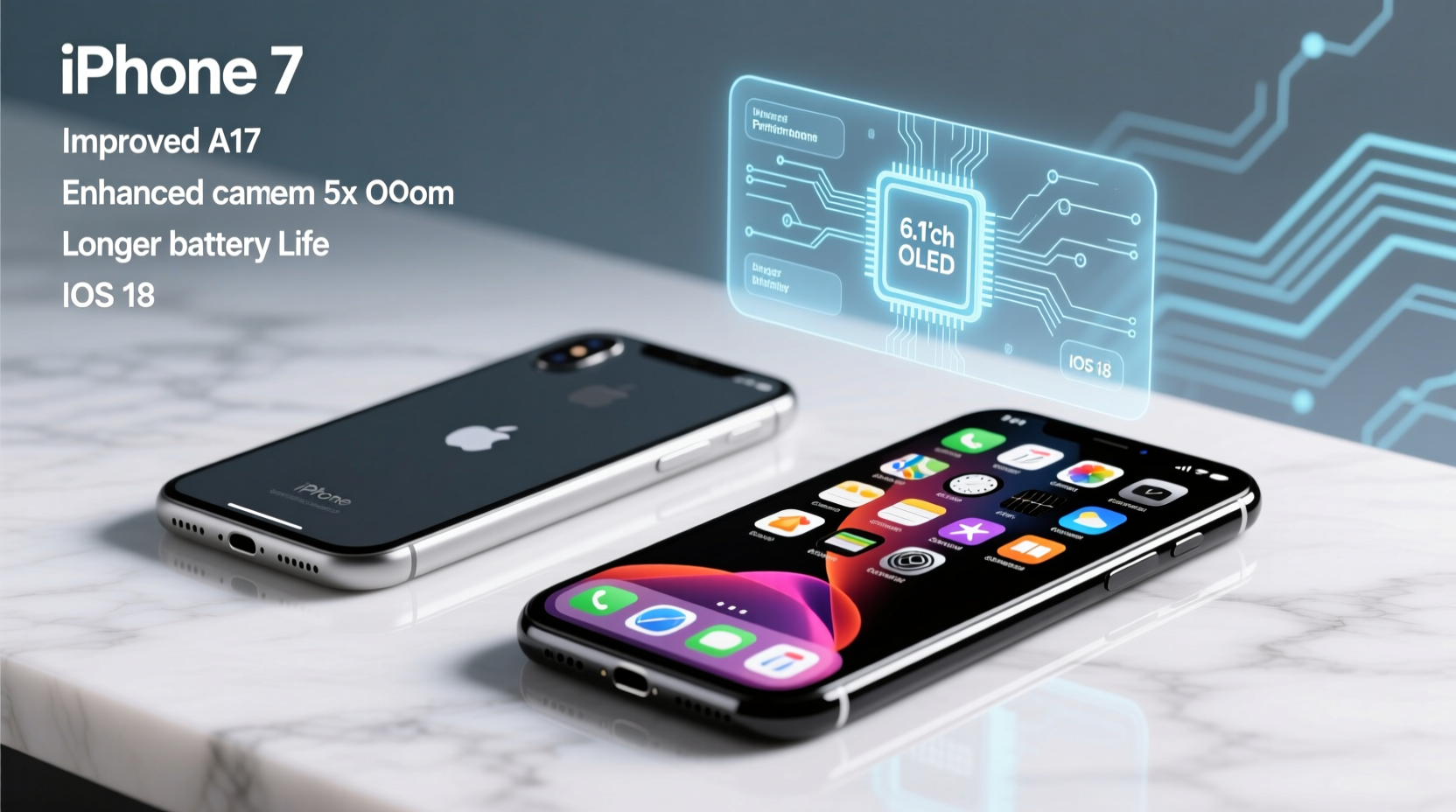
The most immediate observation when comparing the iPhone 9 and iPhone 7 is their striking similarity in design. Both feature a 4.7-inch display, physical Home button with Touch ID, aluminum body, and headphone jack absence starting with the iPhone 7. At first glance, they’re nearly indistinguishable.
However, subtle improvements exist. The iPhone 9 uses a slightly more durable glass back, enabling wireless charging—a feature absent in the iPhone 7. While both phones are IP67-rated for water and dust resistance, the iPhone 9 benefits from refined manufacturing techniques and better sealing over time.
Performance: A Night-and-Day Difference
Under the hood, the difference between these two devices is dramatic. The iPhone 7 runs on the A10 Fusion chip, which was groundbreaking in 2016. The iPhone 9, meanwhile, features the A13 Bionic—the same processor found in the iPhone 11 series. This isn’t just a minor bump; it’s a generational leap.
In real-world use, this means faster app launches, smoother multitasking, and significantly better handling of graphics-intensive games and augmented reality apps. iOS updates are also more future-proof on the iPhone 9. While the iPhone 7 received support up to iOS 16, the iPhone 9 is expected to remain supported through at least iOS 18 or 19, ensuring access to new features and security patches longer.
“Processor upgrades between phone generations often matter more than screen size or camera megapixels—especially for long-term usability.” — David Chen, Mobile Hardware Analyst at TechPulse Insights
Camera Comparison: More Than Just Megapixels
Both phones sport a 12MP rear camera, but that’s where similarities end. The iPhone 9 introduces advanced software processing powered by the A13 Bionic, enabling features like Portrait Mode, Portrait Lighting, and Smart HDR. These enhancements deliver noticeably better dynamic range, color accuracy, and low-light performance.
The front-facing camera also sees a meaningful upgrade—from 7MP on the iPhone 7 to 7MP with Retina Flash and improved noise reduction on the iPhone 9. For users who frequently take selfies or use video calling, this results in clearer, more flattering images.
While the iPhone 7 still takes decent photos in good lighting, it lacks computational photography capabilities that have become standard. If photography matters to you—even casually—the iPhone 9 delivers a tangible improvement.
Detailed Feature Comparison
| Feature | iPhone 7 | iPhone 9 (2020) |
|---|---|---|
| Release Year | 2016 | 2020 |
| Chipset | A10 Fusion | A13 Bionic |
| Rear Camera | 12MP, f/1.8 | 12MP, f/1.8 + Portrait Mode, Smart HDR |
| Front Camera | 7MP | 7MP with Retina Flash |
| Battery Life (Video Playback) | Up to 14 hours | Up to 13 hours |
| Storage Options | 32GB, 128GB | 64GB, 128GB, 256GB |
| Wireless Charging | No | Yes (Qi-compatible) |
| iOS Support Expectancy | Ended with iOS 16 | Expected through iOS 18–19 |
| Starting Price (Launch) | $649 (discontinued) | $399 |
Real-World Example: Sarah’s Upgrade Journey
Sarah had been using her iPhone 7 since 2017. By 2023, she noticed her phone struggling—apps crashed frequently, updates took forever, and her camera couldn’t keep up with group shots at family events. She considered buying a used iPhone 12 but found the size uncomfortable.
Instead, she opted for the iPhone 9 at a refurbished electronics store for $260. The change was immediate: apps loaded instantly, photos looked sharper, and she could finally use wireless charging with her car mount. Most importantly, her phone felt “current” again—not outdated. After six months, she reported no slowdowns and expressed regret for not upgrading sooner.
Is the Upgrade Worth It? A Practical Checklist
Before deciding, ask yourself the following questions. Check off each item that applies to your situation:
- Does your iPhone 7 feel slow when opening apps or switching tasks?
- Have you stopped receiving major iOS updates?
- Do you struggle with poor photo quality, especially in dim lighting?
- Are you unable to install newer apps due to storage or compatibility issues?
- Would wireless charging add convenience to your daily routine?
- Do you want at least 2–3 more years of reliable performance and security updates?
If you checked three or more of these, the iPhone 9 represents a smart, cost-effective upgrade path.
Step-by-Step: How to Decide If You Should Upgrade
- Evaluate current performance: Try opening five apps in succession. If any crash or reload from scratch, your device is under strain.
- Check iOS version: Go to Settings > General > Software Update. If your phone can’t update beyond iOS 16, future app compatibility will shrink.
- Test camera functionality: Take a photo indoors without flash. Compare clarity and noise levels to a friend’s newer iPhone.
- Review storage usage: Navigate to Settings > General > iPhone Storage. If you’re above 80% capacity, consider how much longer you can manage.
- Research resale value: Use platforms like Swappa or Gazelle to see how much your iPhone 7 is worth. Often, trade-in values cover most of the iPhone 9’s cost.
- Try before you buy: Visit an Apple Store or authorized reseller to hold and test an iPhone 9. Notice the responsiveness and camera speed firsthand.
Frequently Asked Questions
Can the iPhone 9 run the latest apps smoothly?
Yes. The A13 Bionic chip handles all current iOS apps efficiently, including demanding ones like Adobe Lightroom, TikTok, and 3D games. It remains capable well into 2025.
Is the battery life better on the iPhone 9?
Battery capacity is similar, but the A13’s power efficiency means better real-world endurance. Additionally, optimized background activity and iOS battery management extend usable time per charge.
Should I wait for a newer model instead?
If you don’t need a phone immediately, waiting for a newer SE model (e.g., iPhone SE 2025) might bring 5G, better cameras, or USB-C. However, if your iPhone 7 is already struggling, delaying could impact daily usability.
Final Verdict: When the Upgrade Makes Sense
The iPhone 9 isn’t about flashy redesigns—it’s about delivering modern performance in a proven form factor. For iPhone 7 users, this upgrade restores responsiveness, extends software lifespan, and improves photo quality without forcing adaptation to larger screens or Face ID.
If your iPhone 7 is showing signs of age—slow performance, outdated software, or unreliable camera—the iPhone 9 is absolutely worth it. At its typical price point (often under $300 for refurbished units), it offers one of the best values in Apple’s lineup. You gain four or more years of reliable service, access to the latest features, and peace of mind knowing your device won’t fall behind in the near future.




 浙公网安备
33010002000092号
浙公网安备
33010002000092号 浙B2-20120091-4
Comments
No comments yet. Why don't you start the discussion?