
In an era where personal wellness and environmental responsibility are increasingly intertwined, many homeowners are reevaluating everyday habits—especially those tied to bathroom routines. One such shift gaining traction is the adoption of bidet attachments. Once considered a luxury reserved for high-end hotels or specific regions, bidets are now accessible through simple, affordable add-ons that connect directly to existing toilets. But is installing a bidet attachment truly worth it? For those weighing improved hygiene against sustainability goals, the answer may be more compelling than expected.
Bidet attachments offer a water-based alternative to toilet paper, providing a gentler, more thorough clean. Beyond personal comfort, they also reduce reliance on single-use paper products, which carry significant environmental costs. As concerns grow over deforestation, water waste from paper production, and landfill accumulation, bidet use presents a practical solution. This article explores the tangible benefits, potential drawbacks, installation process, and long-term value of bidet attachments—helping you decide if this small upgrade delivers meaningful returns.
Improved Hygiene: A Closer Look at Cleanliness
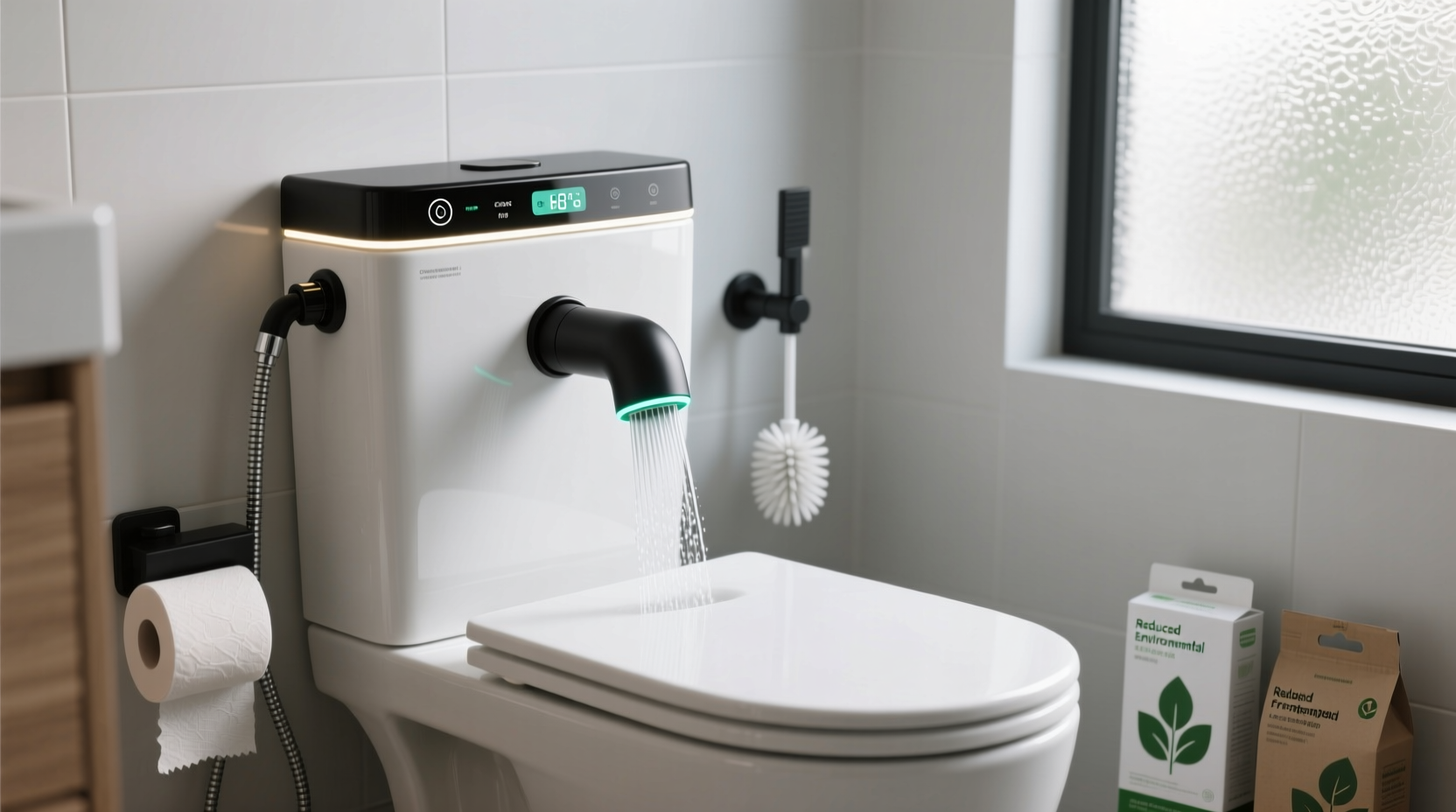
Toilet paper alone often fails to provide complete cleanliness. Residual waste can remain, especially in hard-to-reach areas, increasing the risk of irritation, infections, and discomfort. A bidet attachment addresses this by using a targeted stream of water to cleanse effectively, reducing bacterial presence and minimizing friction on sensitive skin.
This method is particularly beneficial for individuals with hemorrhoids, post-surgical recovery, mobility limitations, or conditions like irritable bowel syndrome (IBS). Dermatologists and gastroenterologists frequently recommend bidets for patients dealing with chronic irritation or inflammation. The gentle wash avoids abrasive wiping, which can exacerbate skin damage over time.
Unlike traditional bidets, which require separate fixtures, modern attachments install directly onto your existing toilet seat. Most models include adjustable nozzles, pressure controls, and self-cleaning functions, ensuring both user comfort and sanitary operation. Some advanced versions even offer heated seats, air drying, and remote controls—though basic models remain highly effective and far more affordable.
Environmental Impact: Reducing Toilet Paper Dependence
The average American uses approximately 141 rolls of toilet paper per year. Multiply that by 330 million people, and the scale of consumption becomes staggering. According to the Natural Resources Defense Council (NRDC), the U.S. flushes about 15 million trees down the toilet annually due to toilet paper production. That figure includes not just raw materials but also energy, water, and chemical inputs used in manufacturing and transportation.
Producing one roll of toilet paper requires nearly 37 gallons of water—not including household usage. In contrast, a typical bidet attachment uses less than half a gallon per use. Even with increased water flow during cleansing, the overall savings are substantial when factoring in avoided paper production.
“Switching to a bidet can cut a household’s toilet paper use by up to 75%, significantly lowering its ecological footprint.” — Dr. Lena Patel, Environmental Health Researcher at UC Berkeley
Additionally, toilet paper contributes to sewer clogs and wastewater treatment challenges. Non-biodegradable wipes marketed as “flushable” worsen the issue, costing municipalities millions in maintenance. Bidets eliminate the need for most wipes and reduce strain on plumbing systems, offering indirect infrastructure benefits.
Cost-Benefit Analysis: Upfront Investment vs. Long-Term Savings
Bidet attachments range from $30 for manual models to over $500 for electric units with heated seats and dryers. However, the majority of users find mid-range options ($80–$150) sufficient for daily needs. Installation typically takes under 30 minutes and requires only basic tools—no plumber needed.
To assess financial viability, consider annual toilet paper expenses. The average household spends between $100 and $180 per year on toilet paper. With a bidet reducing usage by at least 70%, annual savings could reach $120. At that rate, even a $100 bidet pays for itself within a year. Over five years, cumulative savings exceed $500—more than enough to cover premium models.
| Factor | Toilet Paper Only | With Bidet Attachment |
|---|---|---|
| Average Annual Cost | $150 | $45 |
| Water Usage per Use | N/A | 0.3–0.5 gallons |
| Trees Consumed Annually (U.S.) | ~15 million | Significantly reduced |
| Lifespan of Device | N/A | 5–10 years |
| Maintenance Needs | None | Occasional nozzle cleaning |
While electricity-powered bidets increase energy use slightly (about 300–500 kWh/year for heating water and seat), non-electric models eliminate this concern entirely. These mechanical versions rely solely on water pressure, making them ideal for eco-conscious users seeking low-impact solutions.
Real-World Adoption: A Case Study in Sustainable Living
The Thompson family of Portland, Oregon, decided to install bidet attachments in all three bathrooms after watching a documentary on deforestation linked to tissue production. Both parents had experienced recurring urinary tract infections (UTIs) and were advised by their doctor to improve rear-to-front cleansing habits. Their teenage daughter struggled with eczema aggravated by wiping.
They purchased two non-electric bidets at $95 each and installed them over a weekend. Within weeks, they noticed fewer skin irritations and reduced toilet paper use. They began buying toilet paper in bulk only for guests and emergencies. After six months, their toilet paper spending dropped from $160 to $48 annually. More importantly, they reported feeling cleaner and more confident in their hygiene routine.
“It felt strange at first,” said Maria Thompson. “But after two days, it became second nature. Now I can’t imagine going back. It’s like washing your hands instead of just wiping them.”
Their experience reflects broader trends seen in consumer surveys: 89% of bidet users report satisfaction, and 76% say they would recommend the device to others. Initial hesitation often stems from unfamiliarity rather than performance issues.
Installation and Maintenance: What You Need to Know
Installing a bidet attachment is straightforward and does not require professional help. Here’s a step-by-step guide:
- Turn off the water supply to the toilet and drain the tank by flushing.
- Remove the existing toilet seat by unscrewing the bolts at the hinge posts.
- Attach the bidet mounting plate to the bowl using the provided hardware.
- Connect the T-valve to the water supply line, then reconnect the hose to the bidet and toilet fill valve.
- Install the bidet seat onto the mounting plate and secure it.
- Turn the water back on and check for leaks. Test the spray function and adjust nozzle position.
Maintenance is minimal. Most models feature self-cleaning nozzles that sanitize before and after use. Users should occasionally wipe the exterior with a soft cloth and mild cleaner. Hard water areas may require descaling every few months using vinegar or manufacturer-recommended solutions.
Common Misconceptions About Bidets
Despite growing popularity, several myths persist. One common belief is that bidets are unhygienic because they reuse water. In reality, the water comes directly from your home’s clean supply line—it’s the same water used for drinking and handwashing. The nozzle is designed to retract and self-clean, minimizing contamination risk.
Another misconception is that bidets are difficult to use or uncomfortable. Modern designs allow precise control over water temperature, pressure, and spray angle. Many users describe the sensation as refreshing, similar to using a sink sprayer. There’s no soaking or mess when operated correctly.
Finally, some assume bidets are only for people with medical conditions. While they do offer therapeutic benefits, their primary advantage—superior cleanliness—is relevant to everyone. Just as hand soap improves hygiene beyond rinsing with water alone, bidets enhance what toilet paper cannot fully achieve.
Frequently Asked Questions
Do bidet attachments work with all toilets?
Most standard elongated and round toilet bowls are compatible with bidet attachments. However, older models or toilets with unusual shapes may require checking dimensions before purchase. Universal mounting systems fit the vast majority of North American toilets.
Can I install a bidet myself?
Yes, installation typically takes 20–30 minutes and requires only a wrench and screwdriver. No electrical wiring or plumbing modifications are needed for non-electric models. Detailed instructions come with every unit, and video tutorials are widely available online.
Are bidets really more environmentally friendly?
Yes. Even accounting for additional water use, bidets drastically reduce demand for toilet paper, which involves tree harvesting, chemical processing, packaging, and transportation. Lifecycle analyses consistently show lower carbon and water footprints for bidet use compared to conventional wiping.
Action Plan: How to Decide If a Bidet Is Right for You
Before purchasing, consider your priorities and constraints. Use this checklist to evaluate suitability:
- ✅ Do you or a family member suffer from hemorrhoids, UTIs, or skin sensitivities?
- ✅ Are you looking to reduce household waste and environmental impact?
- ✅ Is your current toilet in good condition and compatible with add-on seats?
- ✅ Are you comfortable with minor DIY installation?
- ✅ Do you spend over $100/year on toilet paper?
If three or more apply, a bidet attachment is likely a worthwhile investment. Start with a reputable non-electric model to test compatibility and user preference. Brands like Bio Bidet, Tushy, and LuxeBidet have strong customer reviews and responsive support teams.
Conclusion: A Small Change with Lasting Benefits
Adopting a bidet attachment isn't just about upgrading your bathroom—it's about rethinking hygiene in a way that aligns with health, comfort, and planetary well-being. The evidence is clear: bidets provide a cleaner, gentler alternative to toilet paper while reducing waste and long-term costs. They are easy to install, safe for most households, and increasingly accepted as part of modern sanitation standards.
As global awareness grows around sustainable living and bodily autonomy, bidets represent a quiet revolution in personal care. Whether motivated by medical need, environmental ethics, or simple curiosity, trying a bidet attachment carries little risk and potentially transformative rewards. Millions have already made the switch. Why not see what you’ve been missing?




 浙公网安备
33010002000092号
浙公网安备
33010002000092号 浙B2-20120091-4
Comments
No comments yet. Why don't you start the discussion?