
Dorm life comes with unique challenges—limited space, strict safety rules, shared environments, and tight budgets. When the holiday season rolls around, students often want to bring a touch of warmth and celebration into their small living quarters. One of the most iconic symbols of the season is the Christmas tree. But in a dorm room measuring just 10x12 feet, is it practical to go for a traditional floor model? Or does a tabletop lighted tree offer a smarter, more suitable alternative?
The answer isn't always black and white. While floor trees evoke nostalgia and grandeur, they may not align with the realities of dorm living. Tabletop trees, on the other hand, are compact, affordable, and easier to manage—but can they deliver the same festive spirit? Let’s explore the pros and cons, examine real-world considerations, and help you decide which option truly works best.
Space Efficiency: The Dorm Room Reality
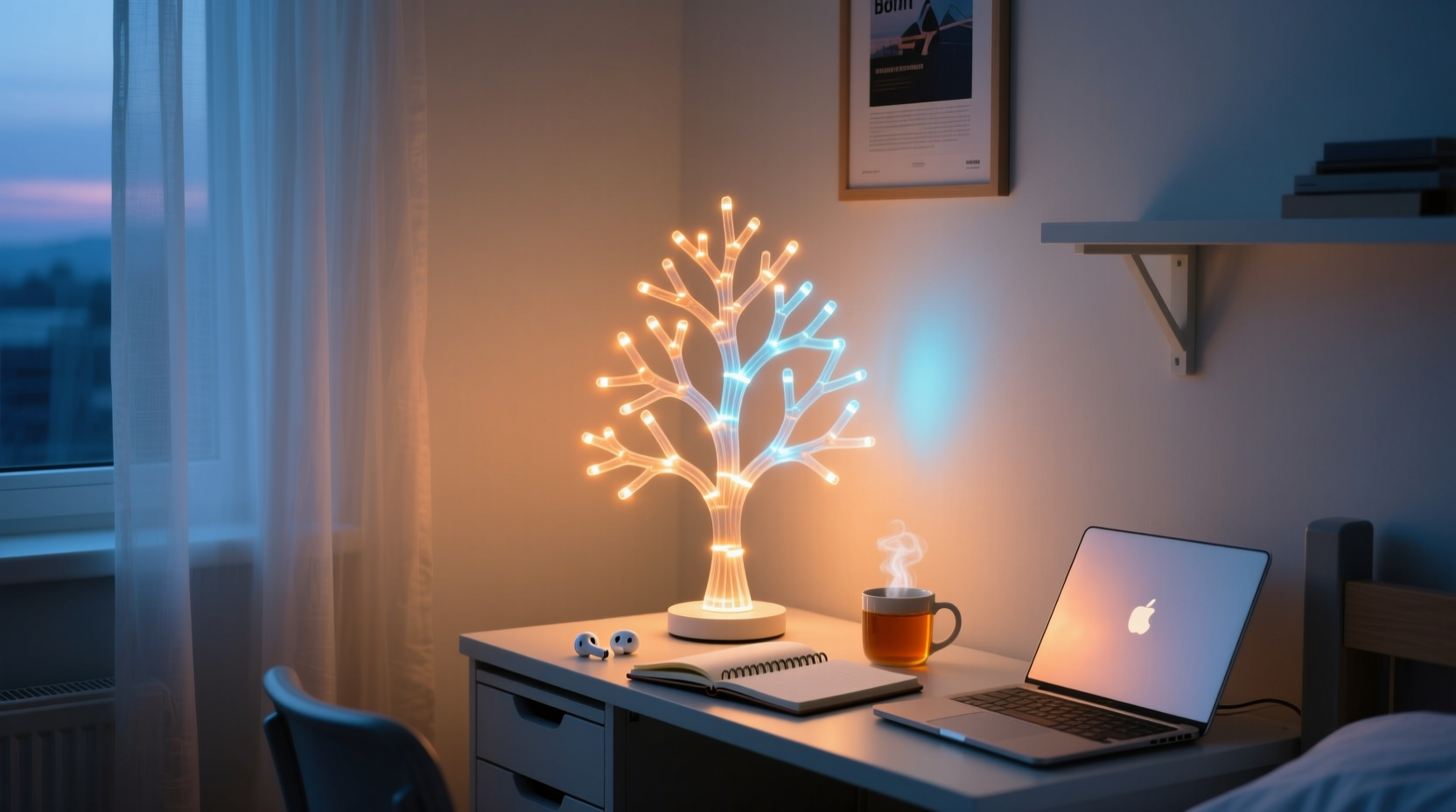
Dorm rooms are notoriously cramped. Furniture like beds, desks, wardrobes, and mini-fridges already consume most of the available square footage. Adding a full-size Christmas tree—typically standing between 5 to 7 feet tall—can make the space feel cluttered or even hazardous.
A tabletop tree, usually ranging from 12 to 24 inches in height, fits neatly on a desk, dresser, or bookshelf. It doesn’t block walkways or doors, and it leaves room for movement and daily activities. In shared dorms, this consideration becomes even more critical. A large tree might dominate one roommate’s side of the room, leading to tension over space allocation.
Moreover, dorm storage during breaks is minimal. Students often disassemble and pack up decorations quickly between semesters. A collapsible tabletop tree is far easier to store in a closet or under a bed than a bulky floor model that requires special bags or boxes.
Safety and University Regulations
Safety is a top concern in dormitories. Many colleges have strict policies regarding electrical devices, open flames, and fire hazards. Real trees, while traditional, are generally prohibited due to flammability risks when they dry out. Even artificial floor models may be restricted if they draw too much power or use non-LED lights.
Tabletop lighted trees typically use energy-efficient LED bulbs, which generate less heat and reduce fire risk. They also consume significantly less electricity—important when dorm outlets are often monitored or limited in number. Most university housing guidelines permit small decorative lighting as long as it’s UL-listed and turned off when unattended.
“Dorm safety codes prioritize minimizing electrical load and fire hazards. Compact, low-wattage decorations like tabletop LED trees are almost always compliant.” — Dr. Lisa Nguyen, Campus Housing Safety Coordinator, Midwest State University
Floor models, especially pre-lit ones over 4 feet tall, may require multiple strands of lights or extension cords, increasing circuit strain. Some dorms limit the number of plug-in devices per room, making larger setups impractical. A single-tabletop tree plugged into a surge protector is far more likely to meet compliance standards.
Cost and Accessibility for Students
Budget constraints are a reality for most college students. Floor model artificial trees can cost anywhere from $50 to $150, not including additional costs for stands, replacement bulbs, or storage bins. For a temporary seasonal decoration used only a few weeks per year, this represents a significant investment.
Tabletop trees, by contrast, are highly affordable. Quality models with built-in LED lights range from $15 to $35. Many come fully assembled or require minimal setup—no separate stand, no tangled wires, no extra purchases. This makes them ideal for students who want festive cheer without financial strain.
Additionally, tabletop trees are widely available at discount stores, online retailers, and campus pop-up shops during the holidays. Their compact size also means lower shipping costs and easier transport back home during winter break.
Comparison: Tabletop vs. Floor Trees in Dorm Settings
| Feature | Tabletop Lighted Tree | Floor Model Tree |
|---|---|---|
| Height | 12–24 inches | 5–7 feet |
| Footprint | Fits on desk or shelf | Requires floor space |
| Price Range | $15–$35 | $50–$150+ |
| Setup Time | Under 5 minutes | 15–30 minutes |
| Lighting Type | Built-in LED (low heat) | Often incandescent or LED strings |
| Storage | Fits in drawer or box | Needs large bag or container |
| Dorm-Friendliness | High – Space-saving, safe, compliant | Low to Moderate – May violate space or safety rules |
Real-World Example: A Dorm Holiday Makeover
Consider Sarah, a sophomore at Lakeside College. She shares a double dorm room with her roommate, Maya. Both wanted to celebrate the holidays but were unsure how to do so within their tight space and $40 combined budget.
After researching options, they opted for two matching 18-inch snow-flocked tabletop trees with warm-white LED lights. Each tree cost $24 and came with a small star topper. They placed one on Sarah’s desk and one on Maya’s dresser, creating a symmetrical, cozy look across the room.
They added miniature ornaments from a dollar store and strung battery-powered fairy lights along the headboards. The total decor project took under an hour and consumed only two wall outlets—one for each tree. During finals week, they turned off the lights at night, complying with dorm safety checks.
“We got so many compliments,” Sarah said. “People walking by would peek in and smile. It felt festive without being overwhelming. I can’t imagine fitting a six-foot tree in here—it would’ve taken up half the floor!”
This scenario illustrates how thoughtful, scaled-down decor can create meaningful holiday ambiance without sacrificing function or violating rules.
How to Choose the Right Tabletop Tree: A Step-by-Step Guide
Selecting the perfect tabletop tree involves more than just picking the cheapest option. Follow these steps to ensure quality, safety, and lasting enjoyment:
- Determine Available Space – Measure the surface where the tree will sit. Ensure there's at least 2–3 inches of clearance around the base.
- Check Lighting Preferences – Decide between warm white (cozy), cool white (crisp), or multicolor LEDs. Some models offer blinking or fading modes.
- Verify Power Source – Most use standard plugs, but battery-operated versions offer cord-free placement (ideal near desks).
- Look for Built-In Features – Trees with on/off switches, timer functions, or remote controls add convenience.
- Assess Material Quality – Opt for PVC or PE branches that resist shedding. Avoid flimsy plastic bases.
- Review Dorm Policies – Confirm with housing staff that your chosen tree meets electrical and fire safety standards.
- Plan for Storage – Keep the original box or designate a small container for off-season storage.
When a Floor Model Might Still Work
While tabletop trees are generally superior for dorms, exceptions exist. Some suite-style dorms or senior apartments have larger common areas where a small floor tree (4 feet or under) could be appropriate. If you live off-campus in a shared house with dedicated living space, a floor model may be feasible.
In such cases, consider a slim-profile or pencil tree, which occupies less than 20 inches in diameter. Pair it with a lightweight stand and LED-only lighting to stay within safety limits. Always coordinate with roommates and verify university guidelines before setup.
FAQ: Common Questions About Dorm Trees
Can I bring a real Christmas tree to my dorm room?
No. Nearly all universities prohibit real trees in dorms due to fire hazards, allergens, sap mess, and rapid drying in heated rooms. Artificial trees are required.
Are battery-operated trees safer than plug-in ones?
Both can be safe if used properly. Battery trees eliminate cords but require regular battery changes. Plug-in models should use surge protectors and be turned off when sleeping or leaving the room.
What if my dorm bans all string lights?
Some institutions restrict decorative lighting entirely. In that case, opt for a non-lighted tabletop tree and pair it with indirect lighting—like placing it near a lamp—or use adhesive LED strips on furniture (if permitted).
Final Checklist Before You Buy
- ✅ Measured available surface or floor space
- ✅ Confirmed university decoration policy
- ✅ Chosen LED lighting (not incandescent)
- ✅ Verified timer or easy on/off control
- ✅ Selected a stable base to prevent tipping
- ✅ Budgeted under $40 (for affordability and replaceability)
- ✅ Planned for storage after the season
Conclusion: Celebrate Smart in Small Spaces
The holiday season shouldn’t be compromised just because you’re living in a dorm. With smart choices, you can enjoy the warmth and joy of a Christmas tree—even in the tiniest of rooms. A tabletop lighted tree offers unmatched advantages: space efficiency, safety compliance, affordability, and ease of use. It delivers festive charm without the logistical headaches of a floor model.
More than just a decoration, a small tree can become a personal retreat—a glowing centerpiece on your desk where you sip cocoa, write cards, or take a mental break during finals. It’s a symbol of comfort, tradition, and resilience, proving that joy doesn’t need square footage to thrive.




 浙公网安备
33010002000092号
浙公网安备
33010002000092号 浙B2-20120091-4
Comments
No comments yet. Why don't you start the discussion?