
In recent years, charcoal toothpaste has surged in popularity as a natural alternative for brighter smiles. Marketed as a detoxifying, plaque-fighting, and stain-removing solution, it’s become a staple in many bathroom cabinets. But despite its trendy status, growing concerns from dental professionals suggest that this black paste might be doing more harm than good—especially to tooth enamel. With claims ranging from \"gentle whitening\" to \"chemical-free cleaning,\" it's time to separate marketing myths from scientific reality. What do dentists actually say about charcoal toothpaste? And can it really damage your enamel?
How Charcoal Toothpaste Works (And Why That’s a Problem)
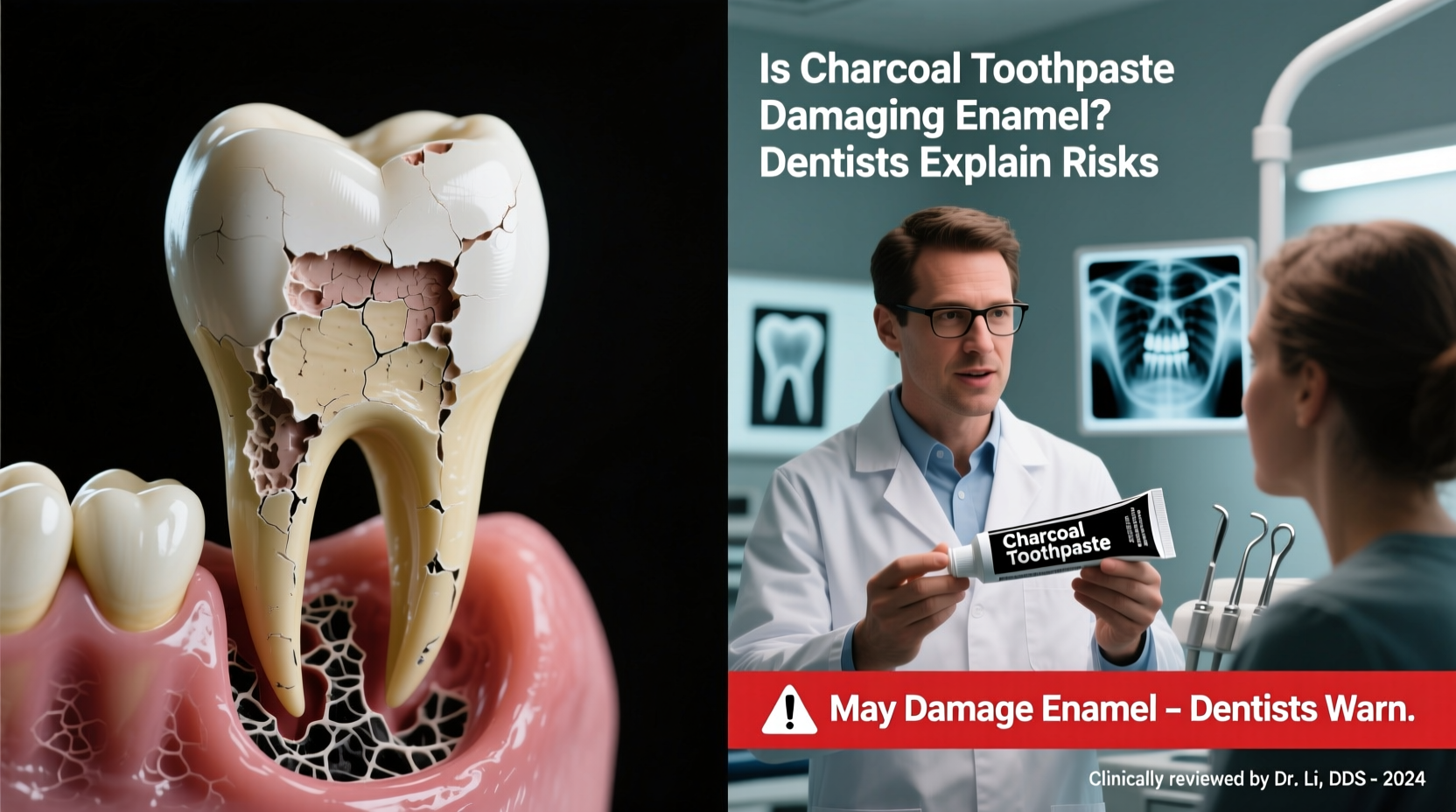
Activated charcoal, the key ingredient in most charcoal toothpastes, is a fine black powder made from coconut shells, peat, or other organic materials heated to high temperatures. It’s highly porous and known for its ability to absorb toxins—hence its use in emergency medicine for poisoning cases. When applied to teeth, it binds to surface stains from coffee, tea, wine, and smoking, giving the appearance of whiter teeth.
However, unlike professional whitening treatments that penetrate the enamel to break down deep stains, charcoal works only on the surface. Its whitening effect comes primarily from abrasion—the physical scrubbing away of the outer layer of tooth structure. While this may produce short-term visual results, repeated use can wear down enamel over time.
Enamel is the hardest substance in the human body, but it’s not indestructible. Once lost, it cannot regenerate. As enamel thins, teeth become more sensitive, more prone to decay, and paradoxically, may appear yellower as the underlying dentin becomes more visible.
Dentist-Backed Evidence on Enamel Erosion
The American Dental Association (ADA) has not approved any charcoal-based toothpaste for safety or effectiveness. One major reason: lack of clinical evidence supporting long-term benefits, combined with rising reports of enamel damage.
A 2017 review published in the Journal of the American Dental Association analyzed available studies on charcoal-containing products and found insufficient data to support their efficacy. More concerning, researchers noted that many of these products have high abrasivity levels, measured by the Relative Dentin Abrasivity (RDA) index. The ADA recommends an RDA value under 250 for safe daily use. Some charcoal toothpastes exceed this limit—some even surpassing 300—putting them in the “highly abrasive” category.
“Charcoal toothpastes often act like sandpaper on teeth. Over time, that constant grinding wears away the protective enamel, leaving nerves exposed and increasing cavity risk.” — Dr. Lindsey Rainwater, Cosmetic Dentist and Oral Health Educator
Additionally, most charcoal toothpastes lack fluoride, a mineral proven to strengthen enamel and prevent cavities. By replacing fluoride toothpaste with a non-fluoridated alternative—even occasionally—users may inadvertently increase their risk of tooth decay.
What You’re Risking with Daily Use
The appeal of charcoal toothpaste lies in its “natural” branding. But “natural” doesn’t always mean “safe.” Here are the top risks associated with regular use:
- Enamel erosion: Repeated abrasive action gradually strips away the enamel, especially when brushing aggressively or using hard-bristled brushes.
- Increased tooth sensitivity: As enamel wears, hot, cold, sweet, or acidic foods trigger sharp pain due to exposed dentin.
- Gum irritation: Coarse particles can scratch gum tissue, leading to inflammation or recession.
- Uneven whitening: Abrasion may remove stains unevenly, resulting in patchy or translucent-looking teeth.
- No protection against cavities: Without fluoride, there’s no defense against acid-producing bacteria.
- Staining around restorations: Charcoal can accumulate around fillings, crowns, or veneers, creating dark lines that are difficult to clean.
Mini Case Study: The Cost of a Brighter Smile
Sophia, a 32-year-old graphic designer, began using charcoal toothpaste six months ago after seeing influencers praise its whitening power. She brushed twice daily, sometimes immediately after drinking orange juice. After three months, she noticed increased sensitivity to cold water and a dull ache when eating ice cream. A dental exam revealed early-stage enamel loss on her front teeth and minor gum recession. Her dentist advised her to stop using charcoal toothpaste immediately and switch to a desensitizing fluoride toothpaste. “I thought I was doing something healthy,” Sophia said. “But I ended up compromising my long-term oral health for a temporary cosmetic fix.”
Do’s and Don’ts of Using Charcoal Toothpaste
| Do’s | Don’ts |
|---|---|
| Use occasionally, not daily | Replace your regular fluoride toothpaste entirely |
| Brush gently with a soft-bristled toothbrush | Scrub aggressively to “get better results” |
| Limited to 1–2 times per week, max | Use for more than 2 minutes per session |
| Rinse thoroughly after use | Leave residue on teeth or gums |
| Follow up with fluoride toothpaste later in the day | Use if you have braces, crowns, or sensitive teeth |
Step-by-Step Guide to Safer Teeth Whitening
If you're seeking a whiter smile without risking enamel damage, follow this dentist-recommended approach:
- Assess your current oral health: Visit your dentist before starting any whitening regimen. Cavities, gum disease, or thin enamel may disqualify you from certain treatments.
- Choose ADA-approved products: Look for toothpastes and whitening kits with the ADA Seal of Acceptance, indicating they meet safety and efficacy standards.
- Stick to fluoride toothpaste: Use a fluoridated product twice daily to strengthen enamel and prevent decay.
- Limit staining habits: Reduce consumption of coffee, red wine, tobacco, and dark berries. Rinse your mouth with water after consuming them.
- Consider professional whitening: In-office treatments use controlled concentrations of hydrogen peroxide, monitored by a dentist for optimal safety.
- Try gentle at-home options: Whitening toothpastes with low-abrasion formulas and mild polishing agents (like hydrated silica) can help maintain brightness safely.
- Maintain regular cleanings: Professional cleanings every six months remove tartar and surface stains that brushing alone can't eliminate.
Frequently Asked Questions
Can charcoal toothpaste cause permanent damage?
Yes. Because enamel does not regenerate, repeated abrasion from charcoal toothpaste can lead to irreversible enamel loss. This increases the risk of cavities, sensitivity, and structural weakening of teeth. Once enamel is gone, the only solutions are restorative procedures like bonding, crowns, or veneers.
Is activated charcoal safe for sensitive teeth?
No. People with sensitive teeth often already have compromised enamel or exposed dentin. Using an abrasive product like charcoal toothpaste will likely worsen sensitivity and accelerate damage. Dentists strongly advise against its use in individuals with existing sensitivity, receding gums, or acid erosion.
Are there any safe natural alternatives to charcoal toothpaste?
While no natural product can fully replace fluoride’s protective benefits, some safer alternatives include calcium carbonate-based toothpastes or those containing xylitol, which helps neutralize mouth acidity. However, “natural” doesn’t guarantee safety—always check the RDA value and consult your dentist before switching.
Expert Consensus: Proceed with Caution—or Better Yet, Skip It
Leading dental organizations, including the ADA and the British Dental Association, remain cautious about charcoal toothpaste. While occasional use may not cause immediate harm, the long-term risks outweigh the minimal aesthetic benefits.
“The idea that charcoal is ‘detoxifying’ your teeth is pseudoscience. Teeth aren’t pores to be cleansed. They’re living structures covered in a protective shell we need to preserve—not scrape away.” — Dr. Alan Stern, Restorative Dentistry Specialist
Many dentists report seeing patients who come in with visibly worn incisal edges, translucent front teeth, and heightened sensitivity—all linked to prolonged charcoal toothpaste use. These issues often require costly interventions to correct.
Conclusion: Protect Your Smile with Science, Not Trends
Charcoal toothpaste may promise a dazzling smile, but the price could be your enamel. What starts as a simple attempt to whiten teeth can evolve into chronic sensitivity, decay, and irreversible damage. Real oral health isn’t about chasing viral trends—it’s about consistent, science-backed care that protects your teeth for decades.
You don’t need a jet-black paste to achieve a bright smile. Fluoride toothpaste, proper brushing technique, routine cleanings, and professional guidance offer safer, more effective results. If you’ve been using charcoal toothpaste regularly, consider discussing alternatives with your dentist. Your future self—and your teeth—will thank you.




 浙公网安备
33010002000092号
浙公网安备
33010002000092号 浙B2-20120091-4
Comments
No comments yet. Why don't you start the discussion?