
For decades, deodorants and antiperspirants have been staples in personal hygiene routines across the world. They help manage sweat and body odor, offering confidence and freshness throughout the day. But as awareness around ingredient safety grows, many people are asking: could these everyday products pose hidden health risks? While most mainstream deodorants are considered safe by regulatory bodies, ongoing research and consumer concerns point to certain ingredients that may warrant caution.
This article examines the science behind common deodorant ingredients, evaluates potential health concerns—including links to cancer, hormone disruption, and skin irritation—and offers practical guidance for making informed choices without sacrificing effectiveness.
Common Ingredients in Deodorants and Antiperspirants
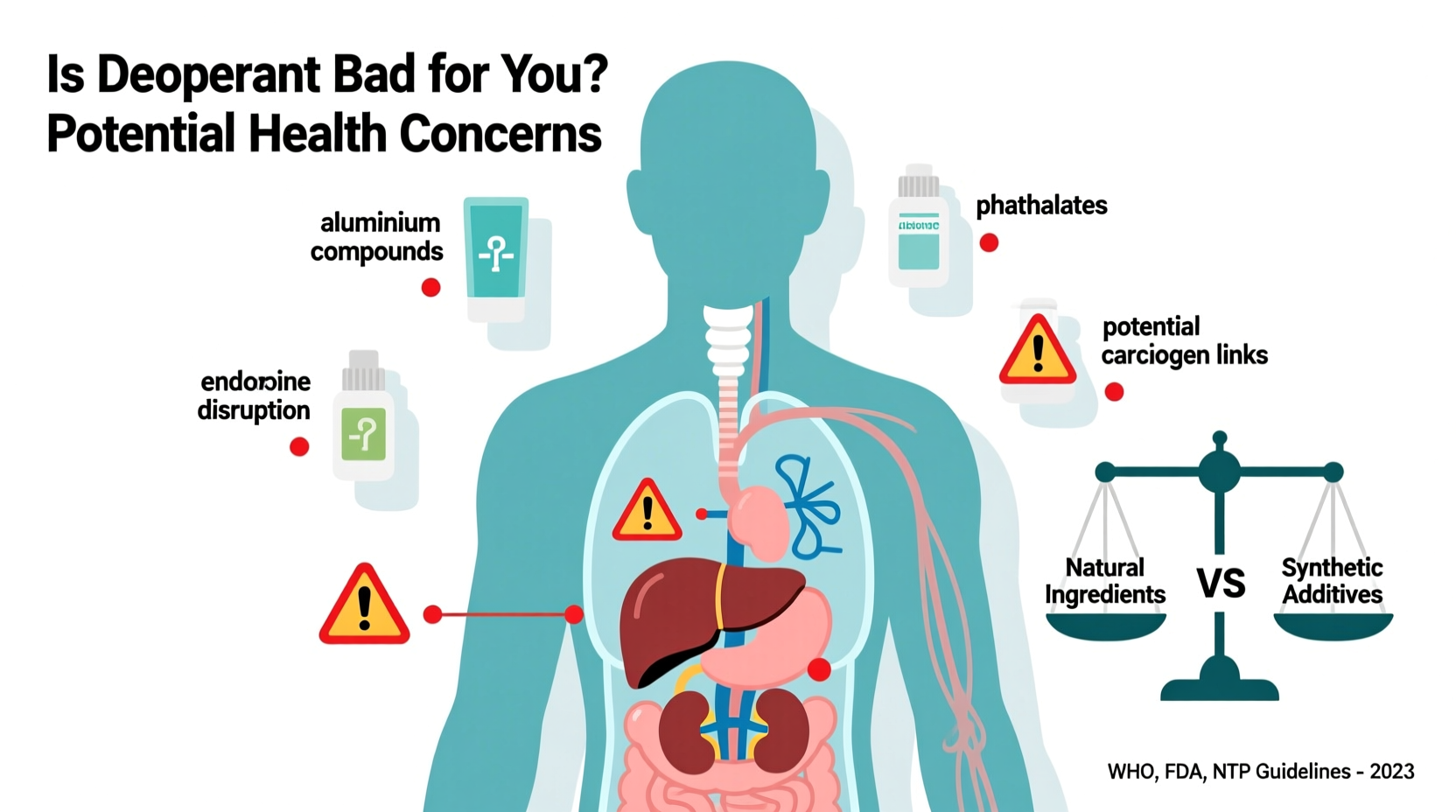
Understanding what’s in your deodorant is the first step toward assessing its safety. Products fall into two main categories:
- Deodorants: Neutralize odor-causing bacteria but don’t reduce sweating.
- Antiperspirants: Reduce sweat production by temporarily blocking sweat glands, usually with aluminum-based compounds.
Key ingredients found in many conventional formulas include:
| Ingredient | Purpose | Potential Concerns |
|---|---|---|
| Aluminum compounds (e.g., aluminum chlorohydrate) | Block sweat glands to reduce perspiration | Linked to estrogen-like activity; debated role in breast cancer |
| Parabens (methylparaben, propylparaben) | Preservatives to prevent bacterial growth | May mimic estrogen; detected in some breast tumor tissues |
| Phthalates | Help fragrance last longer | Endocrine disruptors; associated with reproductive issues |
| Triclosan | Antibacterial agent (less common now) | Banned in soaps; linked to hormone interference |
| Fragrance (unspecified mix) | Add scent | Can contain allergens or endocrine-disrupting chemicals |
Health Concerns: What Does the Science Say?
The debate over deodorant safety largely centers on three major health issues: cancer risk, hormonal effects, and skin reactions.
Cancer Risk and Aluminum
A persistent myth suggests that antiperspirants cause breast cancer, particularly because many tumors occur in the upper outer quadrant of the breast—near where deodorant is applied. Some studies have found traces of aluminum in breast tissue samples, including cancerous ones.
However, major health organizations remain skeptical of a causal link. According to the U.S. Food and Drug Administration (FDA) and the National Cancer Institute (NCI):
“There is no conclusive scientific evidence linking the use of underarm antiperspirants or deodorants with the development of breast cancer.” — National Cancer Institute
That said, aluminum compounds can be absorbed through the skin, especially if applied after shaving, and may exhibit weak estrogen-like effects. Since estrogen can promote the growth of certain breast cancers, researchers continue to study long-term exposure impacts.
Hormonal Disruption from Parabens and Phthalates
Parabens and phthalates are known endocrine disruptors—chemicals that interfere with hormone systems. A 2004 study found parabens in 18 out of 20 human breast tumor samples, though it did not prove they caused the tumors.
Despite this, the European Union has restricted certain parabens in cosmetics, while the U.S. FDA maintains that current levels are safe. Still, minimizing exposure—especially for vulnerable populations like pregnant women and adolescents—may be prudent.
Skin Irritation and Allergies
Some individuals experience redness, itching, or rash from deodorant use. Common culprits include alcohol, fragrances, and preservatives. People with sensitive skin or conditions like eczema may benefit from switching to fragrance-free, hypoallergenic, or natural formulations.
Real-Life Example: Sarah’s Skin Reaction
Sarah, a 34-year-old teacher, began experiencing persistent underarm irritation after switching to a new clinical-strength antiperspirant. Despite using moisturizers, the burning sensation worsened. After consulting a dermatologist, she learned that the combination of alcohol, fragrance, and aluminum was irritating her skin—especially since she shaved daily. Switching to an aluminum-free, fragrance-free deodorant resolved the issue within two weeks. Her case highlights how individual sensitivity can turn a routine product into a source of discomfort.
Choosing Safer Alternatives: A Practical Guide
You don’t need to abandon deodorant altogether to reduce potential risks. Instead, adopt a more mindful approach to selection and use.
Step-by-Step: Transitioning to a Safer Deodorant
- Read labels carefully. Avoid aluminum, parabens, phthalates, and synthetic fragrances.
- Start with trusted brands known for transparency, such as those certified by EWG (Environmental Working Group).
- Introduce the new product gradually. Your skin may need time to adjust, especially if switching from antiperspirants.
- Monitor your skin’s response. Watch for irritation, odor changes, or increased sweating during the adjustment phase.
- Reassess after 4–6 weeks. Decide whether the formula works for your lifestyle and comfort.
Do’s and Don’ts of Deodorant Use
| Do | Don't |
|---|---|
| Apply deodorant at night when pores are less active | Apply immediately after shaving |
| Choose fragrance-free options if sensitive | Use expired or discolored products |
| Wash underarms thoroughly before application | Overapply—more isn’t better |
| Rotate products to avoid buildup | Assume “natural” means completely safe |
Frequently Asked Questions
Can deodorant cause breast cancer?
There is no definitive scientific proof that deodorants or antiperspirants cause breast cancer. While some ingredients like aluminum and parabens have biological properties that raise theoretical concerns, large-scale studies have not established a causal relationship. The American Cancer Society states that current evidence does not support this link.
Are natural deodorants safer?
Not always. While many natural deodorants avoid controversial ingredients like aluminum and parabens, they may still contain essential oils or plant-based compounds that cause allergic reactions. Additionally, lack of regulation means “natural” isn’t a guarantee of safety or efficacy. Always check the full ingredient list.
Is it safe to use antiperspirants every day?
Yes, for most people. Regulatory agencies consider daily use of antiperspirants safe. However, if you have sensitive skin, kidney disease (due to aluminum accumulation risk), or are concerned about long-term chemical exposure, you may opt for periodic breaks or switch to aluminum-free options.
Expert Insight on Ingredient Safety
“While the dose makes the poison, we should apply the precautionary principle—especially with products used daily on sensitive skin. Reducing exposure to endocrine disruptors isn’t about fear, but informed choice.” — Dr. Lena Patel, Environmental Health Researcher at Columbia University
Action Plan: How to Use Deodorant More Safely
- Limit use: Consider skipping antiperspirants on low-activity days.
- Shave wisely: Shave at night and apply deodorant in the morning to reduce irritation.
- Diversify: Alternate between different types (e.g., natural deodorant on weekends, clinical strength for workouts).
- Support detox: Maintain overall health with hydration, balanced diet, and liver-supportive foods to help process toxins.
- Stay informed: Follow updates from reputable sources like the FDA, EWG, and peer-reviewed journals.
Conclusion
The question “Is deodorant bad for you?” doesn’t have a simple yes or no answer. For most people, conventional deodorants and antiperspirants are safe when used as directed. However, growing evidence on certain ingredients—particularly aluminum, parabens, and phthalates—suggests that long-term, daily exposure may carry subtle risks, especially for hormonally sensitive individuals.
The best approach is balance: stay informed, read labels, listen to your body, and make choices aligned with your health priorities. Whether you stick with your current product or explore cleaner alternatives, small adjustments can lead to greater peace of mind—without sacrificing freshness or confidence.




 浙公网安备
33010002000092号
浙公网安备
33010002000092号 浙B2-20120091-4
Comments
No comments yet. Why don't you start the discussion?