
Dry shampoo has become a staple in modern hair care routines, offering a quick fix for greasy roots between washes. Its convenience makes it especially appealing for busy lifestyles, travel, or post-workout refreshment. However, as its popularity grows, so do concerns about the long-term effects of frequent use—particularly on scalp health. While occasional use is generally safe, relying too heavily on dry shampoo can lead to buildup, irritation, and even compromised hair growth. Understanding the science behind how dry shampoo works and how it interacts with your scalp is essential to making informed decisions about your hair care habits.
How Dry Shampoo Works
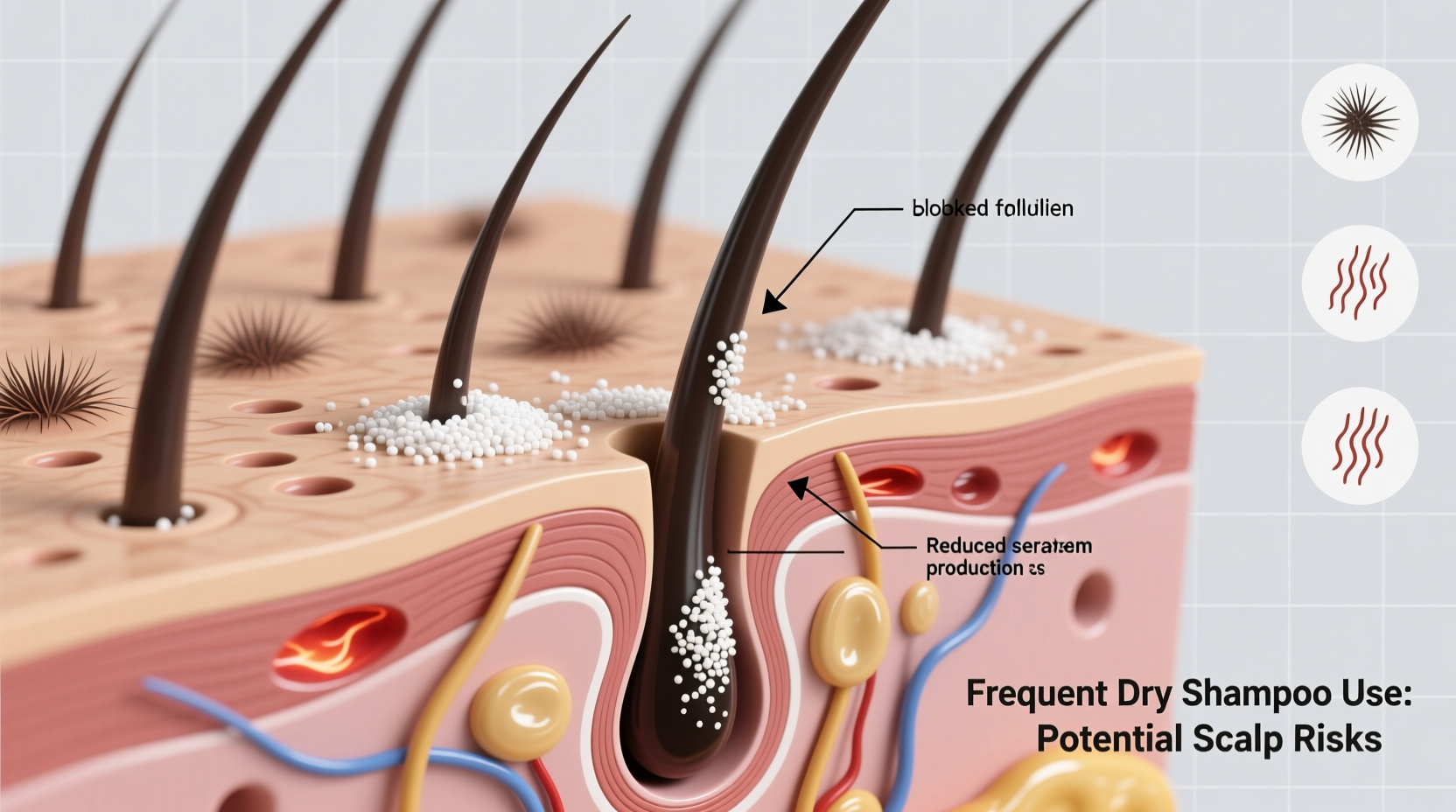
Dry shampoo typically contains alcohol and absorbent ingredients like starch, silica, or clay that bind to excess oil (sebum) on the scalp and hair shafts. When sprayed, these ingredients soak up grease, giving hair a cleaner, fresher appearance without water. The formula often includes fragrances to mask odors and propellants to disperse the product evenly.
The immediate result is volume and reduced greasiness, which is why many people turn to it daily. But unlike traditional shampoo, dry shampoo doesn’t cleanse the scalp—it only masks oil temporarily. Over time, this can create a false sense of cleanliness while allowing sebum, dead skin cells, and product residue to accumulate.
Common Ingredients and Their Scalp Impact
Not all dry shampoos are created equal. Some contain harsh chemicals that may irritate sensitive scalps, while others use gentler, natural alternatives. Below is a breakdown of common ingredients and their potential effects:
| Ingredient | Purpose | Scalp Risk |
|---|---|---|
| Butane/Propane | Propellant for aerosol sprays | Can dry out scalp; flammable |
| Alcohol (e.g., SD Alcohol 40) | Helps dissolve oils and evaporate quickly | Drying, may cause flaking or sensitivity |
| Starch (corn, rice, oat) | Absorbs oil | Can build up if not washed out regularly |
| Silica/Silica Silylate | Oil-absorbing powder | May clog follicles with prolonged use |
| Fragrance (Parfum) | Masks odor | Potential allergen; linked to contact dermatitis |
| Benzalkonium Chloride | Preservative | Irritating for some; may disrupt microbiome |
While these ingredients serve functional roles, repeated exposure without proper cleansing can disrupt the scalp’s natural balance. For example, alcohol-based formulas may strip moisture, leading to compensatory oil production—a cycle that worsens greasiness over time.
When Frequent Use Becomes a Problem
Using dry shampoo once or twice a week is unlikely to cause harm. However, daily or near-daily application without thorough washing introduces several risks:
- Product Buildup: Accumulation of powders and residues blocks hair follicles, potentially leading to folliculitis—an inflammation of the hair follicles.
- Disrupted Microbiome: The scalp hosts beneficial bacteria that help maintain pH and defend against pathogens. Chemicals in dry shampoo can alter this balance, increasing susceptibility to dandruff or fungal infections.
- Impaired Hair Growth: Clogged follicles restrict oxygen flow and nutrient delivery, weakening hair roots and contributing to thinning.
- Contact Dermatitis: Fragrances and preservatives are common culprits behind allergic reactions, causing redness, itching, and flaking.
- Increased Oil Production: Overuse tricks the scalp into producing more sebum, creating dependency on dry shampoo to manage greasiness.
“Patients who rely solely on dry shampoo often present with scalp irritation, accelerated hair shedding, and conditions like pityrosporum folliculitis. Regular cleansing is non-negotiable for scalp health.” — Dr. Nina Rodriguez, Board-Certified Dermatologist
Real-World Scenario: The Case of Sarah M.
Sarah, a 29-year-old marketing executive, began using dry shampoo five days a week after switching to a low-poo hair regimen. Initially pleased with the volume and freshness, she noticed increased scalp itchiness within two months. By month four, she developed small, painful bumps along her hairline and crown. After consulting a dermatologist, she was diagnosed with mild folliculitis caused by product buildup and bacterial overgrowth. Her treatment plan included discontinuing dry shampoo for three weeks, using a salicylic acid cleanser twice weekly, and limiting future dry shampoo use to emergency situations only. Within six weeks, her symptoms resolved, and she adopted a balanced routine that prioritized scalp hygiene.
Best Practices for Safer Dry Shampoo Use
You don’t need to eliminate dry shampoo entirely to protect your scalp. With mindful usage and complementary care strategies, you can enjoy its benefits without compromising long-term health. Follow this step-by-step guide to minimize risk:
- Limits Frequency: Use dry shampoo no more than two to three times per week. Treat it as a temporary solution, not a replacement for washing.
- Target Application: Spray only at the roots, focusing on oily areas. Avoid the lengths and ends to prevent unnecessary drying.
- Massage Thoroughly: After spraying, massage your scalp with fingertips to distribute the product and lift residue. This helps prevent clumping and improves absorption.
- Wash Regularly: Commit to washing your hair with water and shampoo at least twice a week, even if it doesn’t feel “dirty.” This clears buildup and resets the scalp environment.
- Choose Wisely: Opt for formulas labeled “fragrance-free,” “non-comedogenic,” or “scalp-safe.” Look for brands using natural absorbents like rice starch instead of heavy silicones.
- Incorporate Scalp Exfoliation: Use a gentle scalp scrub or chemical exfoliant (like salicylic acid) once every 7–10 days to remove dead skin and unclog follicles.
- Rinse When Possible: On non-wash days, consider a quick water rinse or “co-washing” (conditioner-only wash) to refresh the scalp without stripping natural oils.
Checklist: Healthy Dry Shampoo Habits
- ☑ Use no more than 3x per week
- ☑ Wash hair with water at least twice weekly
- ☑ Massage scalp after application
- ☑ Choose fragrance-free, non-aerosol options when possible
- ☑ Incorporate a scalp exfoliant weekly
- ☑ Monitor for signs of irritation (itching, flaking, bumps)
- ☑ Store in a cool, dry place away from heat sources
Alternatives to Traditional Dry Shampoo
If you're concerned about the impact of conventional dry shampoos, several safer or more sustainable options exist:
- Non-Aerosol Powders: Root touch-up powders or tinted starches applied with a brush allow for precise control and less inhalation risk.
- DIY Starch Sprays: Mix cornstarch or arrowroot powder with cocoa (for dark hair) and apply sparingly with a makeup brush. Avoid inhaling fine particles.
- Water-Only Rinses: A quick splash with lukewarm water can dilute surface oil and refresh the scalp without shampoo.
- Texturizing Sprays with Cleansing Properties: Some modern formulas combine light absorbents with mild surfactants to offer a semi-cleansing effect.
- Scalp-Focused Wipes: Pre-moistened cloths designed for scalp cleansing can remove oil and residue without water.
These alternatives reduce exposure to propellants and synthetic additives while still providing visual freshness. They’re particularly useful for those with sensitive skin or scalp conditions like psoriasis or seborrheic dermatitis.
Frequently Asked Questions
Can dry shampoo cause hair loss?
Directly, dry shampoo does not cause genetic hair loss. However, prolonged buildup can lead to inflamed or blocked follicles, which may contribute to temporary shedding or weakened hair anchoring. In severe cases of untreated folliculitis, scarring alopecia is possible, though rare.
Is it safe to sleep with dry shampoo in your hair?
Sleeping with dry shampoo increases the chance of residue transfer to pillows and prolonged contact with the scalp, which may exacerbate irritation or clog pores. It's best to apply it in the morning or allow time for brushing out excess before bed.
Are natural dry shampoos safer?
Not always. While plant-based ingredients like rice starch or kaolin clay are generally milder, \"natural\" doesn't guarantee safety. Essential oils used for fragrance (e.g., lavender, tea tree) can still trigger allergies. Always patch-test new products behind the ear before full application.
Conclusion: Balancing Convenience and Scalp Health
Dry shampoo is a valuable tool in modern grooming, but it should never replace actual cleansing. Frequent use without proper scalp maintenance risks irritation, infection, and long-term damage. The key lies in moderation, smart product selection, and consistent washing. Your scalp is living skin—it needs regular care just like your face or body.
Start paying attention to how your scalp responds. If you experience tightness, flaking, or discomfort, it’s a signal to reassess your routine. Replace reliance on dry shampoo with a balanced approach that includes hydration, exfoliation, and thoughtful product use. Small changes today can prevent significant issues tomorrow.




 浙公网安备
33010002000092号
浙公网安备
33010002000092号 浙B2-20120091-4
Comments
No comments yet. Why don't you start the discussion?