
Dry shampoo has become a staple in many people’s hair care routines—offering a quick fix for greasy roots between washes, saving time on busy mornings, or extending blowouts. But as its popularity grows, so do concerns about long-term scalp health. While convenient, frequent or improper use of dry shampoo can contribute to scalp buildup, leading to irritation, clogged follicles, and even hair thinning. Understanding how dry shampoo works—and when it starts doing more harm than good—is essential for maintaining a clean, balanced scalp.
The key isn’t necessarily eliminating dry shampoo altogether, but knowing how to use it wisely and recognizing early warning signs that your scalp may be struggling under residue accumulation. This article breaks down the science behind dry shampoo, explains how buildup occurs, and provides practical steps to prevent damage while still enjoying the benefits of this popular product.
How Dry Shampoo Works (And Why It Leaves Residue)
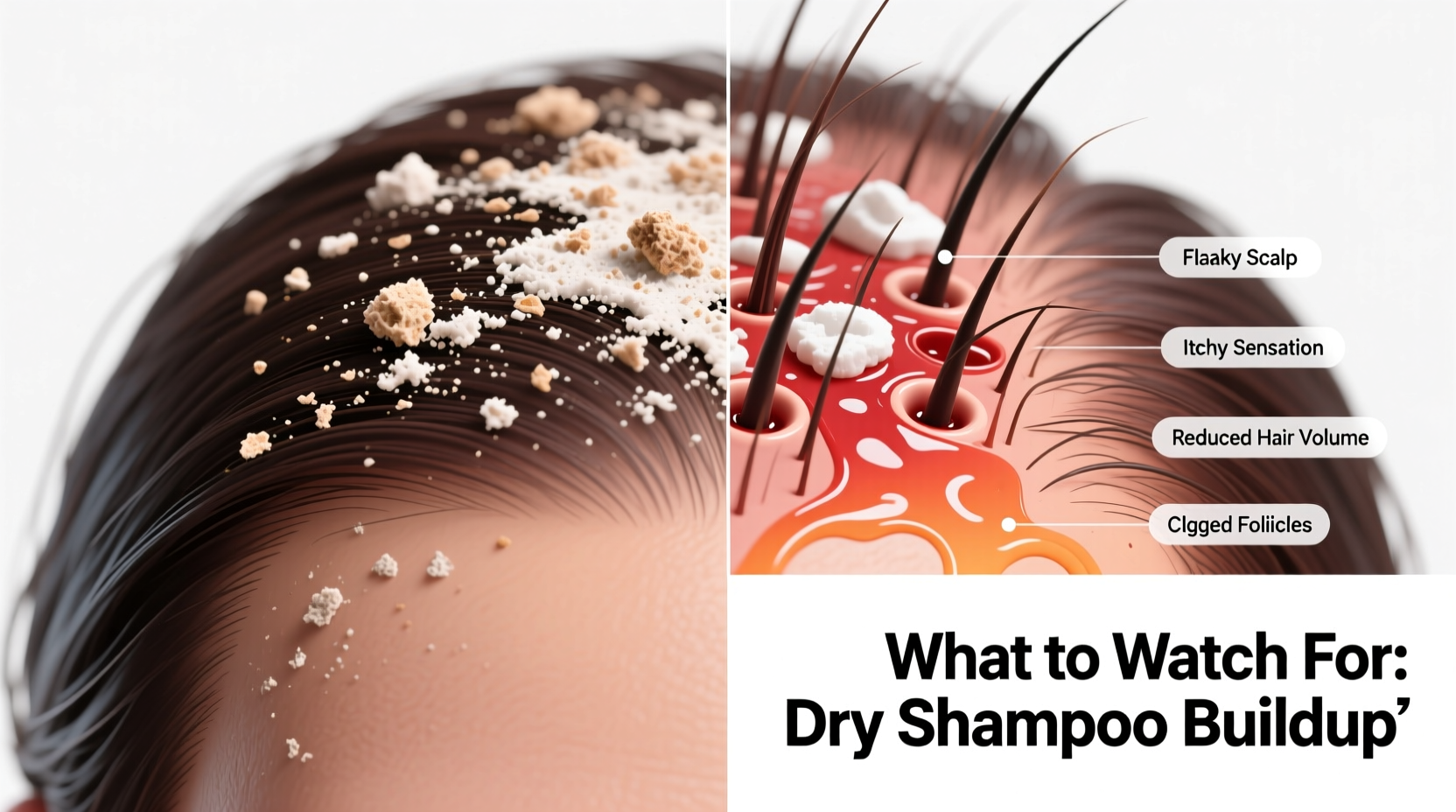
Dry shampoo typically contains alcohol and absorbent ingredients like starch, silica, or clay. These components work by soaking up excess sebum—the natural oil produced by your scalp—giving hair a refreshed, voluminous appearance without water. When sprayed at the roots and massaged in, the formula binds to oil and dirt, making hair look cleaner and feel lighter.
However, unlike traditional shampoo, dry shampoo doesn’t rinse away impurities. Instead, it traps them temporarily. Over time, especially with daily use, these trapped oils, dead skin cells, and product particles accumulate on the scalp. The powdery ingredients themselves can also settle into hair follicles if not properly removed during washing.
This residue creates a breeding ground for bacteria, disrupts the scalp’s natural pH balance, and interferes with normal shedding and regeneration of skin cells. In severe cases, prolonged buildup can lead to conditions like folliculitis or seborrheic dermatitis.
Signs Your Scalp Is Suffering From Buildup
Scalp buildup from dry shampoo doesn't always announce itself dramatically. Often, the symptoms develop gradually, making them easy to overlook until discomfort or visible issues arise. Watch for these red flags:
- Itchiness or flaking: Persistent dandruff-like flakes that don’t improve with regular shampooing may indicate residue blocking moisture absorption.
- Tightness or dullness: A tight, coated feeling on the scalp—even after brushing—suggests product accumulation.
- Oily roots despite frequent use: If you’re using dry shampoo every day but your hair still looks greasy within hours, it may mean pores are clogged and unable to regulate oil normally.
- Red bumps or small pimples: Inflamed follicles along the hairline or crown could signal folliculitis caused by trapped debris.
- Thinning hair or increased shedding: Chronic buildup can weaken hair at the root, contributing to temporary hair loss over time.
- White or grayish dust: Visible powder lingering at the roots days after application is a clear sign of incomplete cleansing.
These symptoms often worsen when users rely solely on dry shampoo for multiple days without thorough scalp washing. The longer residue stays, the harder it becomes to remove—and the greater the risk of inflammation or infection.
Do’s and Don’ts of Dry Shampoo Use
To enjoy the convenience of dry shampoo without compromising scalp health, follow evidence-based best practices. The table below outlines critical dos and don’ts based on dermatological recommendations.
| Do’s | Don’ts |
|---|---|
| Use sparingly: Limit application to once every 2–3 days max. | Don’t use daily as a replacement for washing. |
| Focus on roots only: Spray directly at the scalp, avoiding mid-lengths and ends. | Avoid coating entire lengths of hair—this increases residue spread. |
| Massage thoroughly: Use fingertips to work the product in and lift debris. | Don’t skip massaging—brushing alone won’t distribute or absorb effectively. |
| Wash regularly: Follow up with a clarifying shampoo at least once a week. | Never go more than 4–5 days without a full scalp cleanse. |
| Choose cleaner formulas: Opt for aerosol-free, non-aerosol sprays with minimal talc or alcohol. | Avoid products with high levels of propellants or synthetic fragrances if you have sensitive skin. |
“Dry shampoo is a cosmetic tool, not a hygiene substitute. Regular cleansing is non-negotiable for scalp health.” — Dr. Lena Patel, Board-Certified Dermatologist
Step-by-Step Guide to Preventing and Removing Scalp Buildup
If you suspect your scalp is dealing with dry shampoo residue, take action immediately. Here’s a proven five-step process to restore balance and prevent future issues:
- Stop using dry shampoo for 3–5 days. Give your scalp a break to breathe and begin naturally regulating oil production.
- Clarify with a deep-cleaning shampoo. Use a sulfate-free clarifying formula designed to dissolve buildup. Massage into the scalp for 2–3 minutes, then rinse thoroughly. Repeat if necessary.
- Exfoliate gently once per week. Apply a liquid or scrub-based scalp exfoliant to remove dead skin and embedded residue. Avoid harsh scrubs that can irritate the skin.
- Rinse with diluted apple cider vinegar (optional). Mix one part ACV with three parts water and pour over the scalp after shampooing. This helps dissolve mineral deposits and restore pH balance.
- Resume dry shampoo with limits. Only use it occasionally—such as before events or travel days—and always follow up with a proper wash within 48 hours.
For those prone to oily scalps, consider rotating between dry shampoo and alternative refreshers like micellar water sprays or lightweight scalp mists that don’t leave heavy residues.
Real-Life Example: How One User Reversed Scalp Damage
Sarah, a 32-year-old marketing executive, relied on dry shampoo nearly every day to maintain her sleek bob between salon visits. After several months, she began noticing persistent itching and tiny red bumps along her hairline. At first, she assumed it was dandruff and switched to an anti-dandruff shampoo, but the condition worsened.
During a dermatology appointment, the doctor examined her scalp under magnification and found thick layers of compacted product residue around multiple follicles. “Your scalp hasn’t had a real cleanse in weeks,” the physician explained. Sarah admitted she hadn’t washed her hair more than twice in 10 days, relying entirely on dry shampoo.
She followed a strict regimen: no dry shampoo for a week, nightly scalp massages with jojoba oil to loosen debris, and weekly clarifying washes. Within three weeks, the itching stopped, the bumps cleared, and her hair felt lighter and healthier. Now, she uses dry shampoo only once a week and never skips her Sunday wash routine.
Sarah’s case highlights how easily convenience can override hygiene—and how quickly problems escalate when the scalp is neglected.
Choosing the Right Dry Shampoo for Your Scalp Type
Not all dry shampoos are created equal. Some formulations are gentler and less likely to cause buildup depending on your hair and scalp type:
- Oily scalp: Look for lightweight, alcohol-based formulas with rice starch or bamboo extract. Avoid heavy oils or silicones.
- Dry or sensitive scalp: Choose fragrance-free, talc-free options with soothing ingredients like aloe vera or oat extract.
- Colored or chemically treated hair: Use color-safe, UV-protected sprays that won’t dull or strip pigment.
- Dark hair: Opt for tinted versions to avoid white cast; newer charcoal or cocoa-based formulas blend seamlessly.
Read labels carefully. Ingredients like dimethicone, cyclomethicone, and isobutane may offer texture benefits but increase the likelihood of buildup over time. Prioritize transparency in ingredient lists—brands that disclose full formulations tend to be more accountable.
Frequently Asked Questions
Can dry shampoo cause permanent hair loss?
No direct evidence links dry shampoo to permanent hair loss. However, chronic scalp inflammation from buildup can lead to temporary shedding or weakened follicles. If addressed early, hair usually regrows once the scalp environment improves.
How often should I wash my hair if I use dry shampoo?
You should never go more than four consecutive days without washing your scalp with water and shampoo. Even with dry shampoo, aim to cleanse every 2–3 days, especially if you sweat heavily or live in a humid climate.
Is there a natural alternative to dry shampoo?
Yes. Cornstarch, arrowroot powder, or cocoa powder (for dark hair) can be applied sparingly to absorb oil. Brush through thoroughly after 10–15 minutes. While effective, these too require removal via washing and shouldn’t replace regular cleansing.
Final Thoughts: Balance Convenience With Care
Dry shampoo is a modern beauty shortcut that works—when used correctly. But treating it as a substitute for washing undermines the foundation of healthy hair: a clean, functioning scalp. The convenience comes at a cost if residue accumulates unchecked, potentially triggering irritation, odor, and compromised hair growth.
The solution lies in moderation and mindfulness. Recognize dry shampoo for what it is—a temporary refresh, not a long-term strategy. Incorporate regular clarifying treatments, pay attention to your scalp’s signals, and adjust usage accordingly. By doing so, you protect both the appearance and health of your hair in the long run.




 浙公网安备
33010002000092号
浙公网安备
33010002000092号 浙B2-20120091-4
Comments
No comments yet. Why don't you start the discussion?