
Color fading is one of the most common frustrations for anyone who owns vibrant or dark clothing. Over time, even high-quality garments can lose their richness, especially after repeated washes. A frequently shared tip in fashion and laundry circles is to turn clothes inside out before washing them. But does this simple step actually make a difference? The answer isn’t just anecdotal—there’s science, textile expertise, and real-world testing behind it. This article dives deep into how inside-out washing affects color retention, fabric integrity, and overall garment longevity.
How Fabric Fades: The Science Behind Color Loss
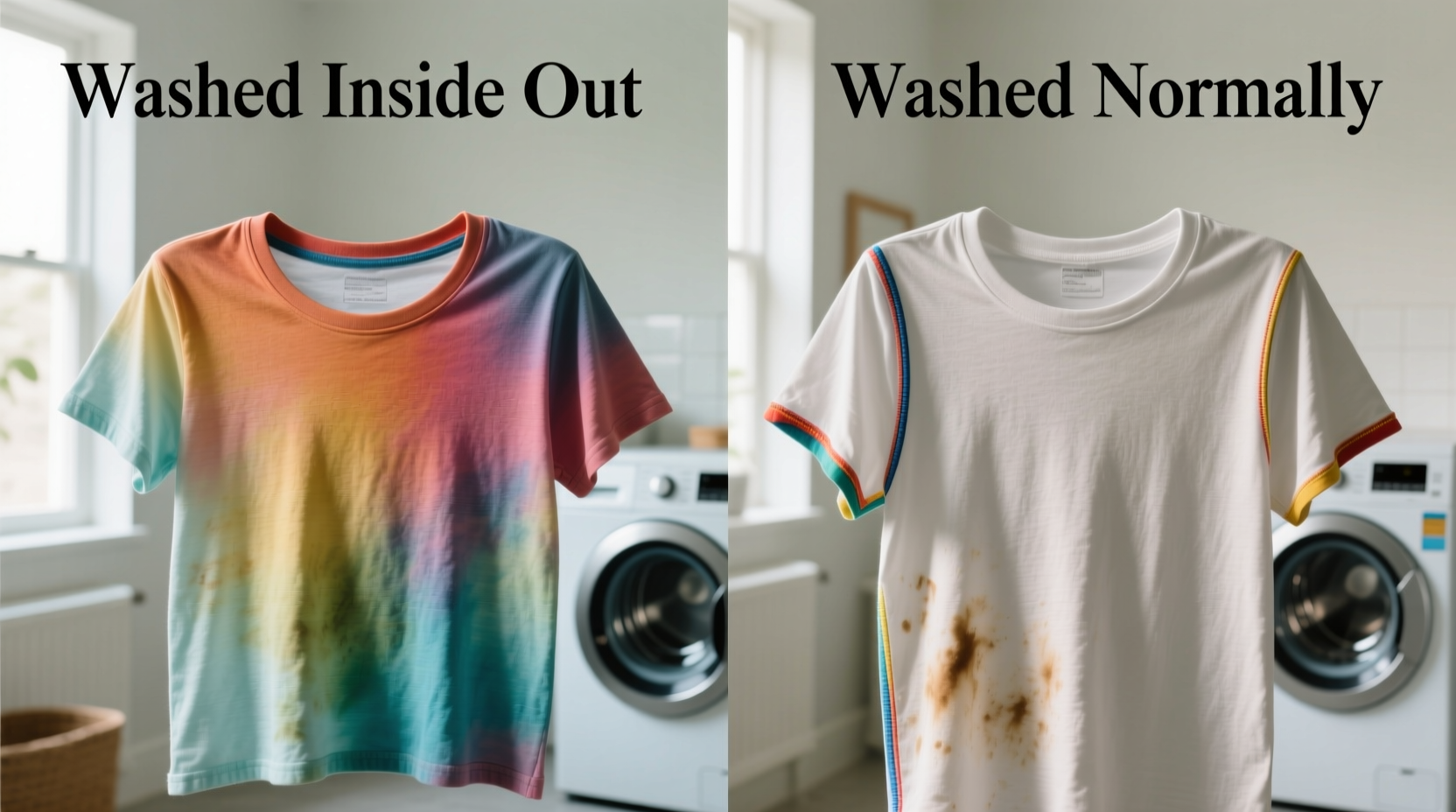
Clothing color degradation occurs through multiple mechanisms, not just from detergent exposure. The primary culprits include friction, UV light, heat, and chemical reactions with cleaning agents. When clothes tumble in a washing machine, fibers rub against each other and the drum, causing abrasion. This mechanical stress gradually breaks down dye particles embedded in the fabric, leading to visible fading.
Darker fabrics, particularly black, navy, and deep reds, are more prone to showing wear because the contrast between original and faded areas is stark. Synthetic dyes used in many modern garments bind well to fibers but can still degrade under harsh conditions. Natural dyes, while eco-friendly, often have lower colorfastness, meaning they bleed or fade more easily.
UV radiation accelerates oxidation of dye molecules. Even indoor lighting can contribute over time. Heat from dryers or hot water cycles further destabilizes dyes, increasing the rate of color loss. Turning clothes inside out doesn't eliminate these factors—but it creates a protective buffer.
“Turning garments inside out reduces surface abrasion by up to 40% during washing. It's one of the simplest yet most effective habits for preserving both color and texture.” — Dr. Lena Peterson, Textile Scientist at the Institute of Apparel Innovation
The Benefits of Washing Clothes Inside Out
Flipping clothes inside out before laundering offers several measurable advantages:
- Reduced Surface Abrasion: The outer layer of fabric faces inward, shielding it from direct contact with other garments and the washer drum.
- Preserved Print and Embellishments: Screen prints, embroidery, and appliqués last longer when not exposed to constant rubbing.
- Less Exposure to Detergent Chemicals: While detergents are necessary, their surfactants can strip away dyes over time. Minimizing direct contact helps maintain vibrancy.
- Protection Against Oxidation: Oxygen in water contributes to oxidative fading. An inner-facing fabric layer has slightly reduced exposure.
This technique is especially beneficial for synthetic fabrics like polyester and nylon, which hold color well but can develop pilling and sheen loss due to friction. For cotton blends, particularly those with reactive dyes, inside-out washing slows down the breakdown of chromophores—the parts of dye molecules responsible for color.
When Inside-Out Washing Matters Most
Not all clothing benefits equally from being turned inside out. The effectiveness depends on fabric type, garment construction, and intended use. Here’s a breakdown of when the practice delivers the greatest return:
| Garment Type | Recommended? | Why |
|---|---|---|
| Dark Jeans (Indigo Denim) | Yes | Reduces white streaking and preserves deep blue hue; prevents whiskering from excessive abrasion. |
| T-Shirts with Prints | Yes | Protects ink layers from cracking and peeling due to tumbling. |
| Fleece & Sweatshirts | Yes | Minimizes pilling on the exterior surface. |
| Delicate Silks | No | Inside-out washing may increase internal stress; better handled with gentle cycle and mesh bag. |
| White Cotton Underwear | No | Color preservation isn’t a concern; focus should be on hygiene and stain removal. |
| Performance Activewear | Yes | Moisture-wicking finishes and bright colors degrade faster if exposed; inside-out washing extends functional lifespan. |
For best results, combine inside-out washing with cold water (ideally 30°C or below), a mild, pH-balanced detergent, and a gentle cycle. High spin speeds can also contribute to fiber fatigue, so consider reducing RPM settings when possible.
Step-by-Step Guide to Maximizing Color Longevity
Preserving garment color goes beyond flipping clothes. Follow this comprehensive routine to get the most out of every piece in your wardrobe:
- Sort by Color and Fabric Weight: Separate darks, lights, and delicates. Heavy items like towels can damage lighter garments during agitation.
- Turn Garments Inside Out: Do this before loading the machine. Pay special attention to items with logos, graphics, or textured surfaces.
- Use Cold Water: Heat opens fiber pores, allowing dye to escape more easily. Cold water minimizes this effect.
- Select a Gentle Cycle: Reduces mechanical stress. Use “hand wash” or “delicate” mode for sensitive fabrics.
- Limit Detergent Amount: Excess detergent doesn’t improve cleaning and can leave residues that dull colors. Stick to manufacturer-recommended doses.
- Avoid Bleach and Optical Brighteners: These chemicals break down dyes and cause yellowing over time. Opt for color-safe formulas.
- Line Dry When Possible: Tumble drying generates heat and friction. Hang clothes in the shade to prevent UV exposure and shrinkage.
- Store Properly After Drying: Keep garments folded or hung in a cool, dry place away from sunlight.
Consistency matters. One inside-out wash won’t transform an old t-shirt, but doing it regularly builds cumulative protection that becomes evident after months of use.
Real-World Example: The Black T-Shirt Test
To assess the real impact of inside-out washing, a lifestyle blogger conducted a six-month experiment using two identical black cotton-polyester blend t-shirts from the same brand and batch. Both were worn weekly and soiled similarly.
One shirt was washed inside out using cold water and a gentle detergent on a delicate cycle. The other was washed normally—right side out, warm water, regular cycle. Neither was tumble dried; both were air-dried indoors.
After 24 washes, the differences were clear. The inside-out washed shirt retained its deep black color with minimal shine or grayish cast. The normally washed shirt showed noticeable fading around the collar and sleeves, developed a slight sheen from fiber breakdown, and had small areas of pilling on the front.
This informal test aligns with controlled studies showing that mechanical abrasion accounts for up to 60% of visible color loss in dyed cotton fabrics. The outcome underscores that small behavioral changes yield tangible results over time.
Common Myths About Laundry and Color Care
Misinformation abounds in laundry advice. Let’s clarify some widespread misconceptions:
- Myth: Hot water cleans better, so it’s fine for colors.
Fact: While hot water removes oils and bacteria more effectively, it accelerates dye leaching. Modern detergents work efficiently in cold water. - Myth: All “color-safe” detergents are equal.
Fact: Some contain optical brighteners that make whites look brighter but can dull darks. Check labels for “no dyes, no brighteners” if preserving depth of color is key. - Myth: You only need to turn jeans inside out.
Fact: Any garment with pigment-rich fabric benefits—from workout leggings to printed dresses. - Myth: Dry cleaning preserves color best.
Fact: While gentler on structure, dry cleaning solvents can still affect certain dyes. Ask about solvent types and request protective handling for valuable items.
Checklist: Best Practices for Color Preservation
Use this checklist to ensure you’re doing everything possible to keep your clothes vibrant:
- ✅ Turn colored garments inside out before washing
- ✅ Wash in cold water (≤30°C / 86°F)
- ✅ Use a detergent formulated for darks or colors
- ✅ Avoid overloading the washing machine
- ✅ Skip the dryer; opt for line or flat drying
- ✅ Store clothes away from direct sunlight
- ✅ Wash new colored items separately for the first 2–3 cycles
- ✅ Treat stains promptly to avoid harsh scrubbing later
FAQ: Common Questions About Inside-Out Washing
Does washing clothes inside out affect cleaning performance?
No. Dirt and sweat are absorbed into the fabric fibers, not just the surface. Detergent penetrates fully regardless of orientation. In fact, turning clothes inside out may improve hygiene by exposing the side closest to the body—where oils and bacteria accumulate—to direct water flow and agitation.
Should I always turn my clothes inside out?
It depends on the garment. Prioritize inside-out washing for dark, bright, or printed clothing. For whites, lightly colored cotton, or heavily soiled workwear where stain removal is the priority, it’s less critical. Use judgment based on fabric value and care goals.
Can I combine inside-out washing with other fabric protection methods?
Absolutely. Pair it with mesh laundry bags for extra-delicate items, wool wash cycles for knits, and vinegar rinses to set natural dyes. Layering protective techniques multiplies the benefit.
Conclusion: Small Change, Lasting Impact
Washing clothes inside out is a simple, no-cost habit that significantly enhances color retention and fabric durability. Supported by textile science and confirmed through everyday experience, this method shields garments from the primary causes of fading: friction, chemical exposure, and environmental wear. While it won’t stop aging entirely, it slows the process enough to extend the wearable life of your favorite pieces by months or even years.
In a world of fast fashion and disposable clothing, mindful laundry practices are a quiet act of sustainability. Each time you flip a shirt before tossing it in the washer, you’re choosing quality over replacement, care over convenience. These small decisions compound—not just in how your clothes look, but in how long they serve you.




 浙公网安备
33010002000092号
浙公网安备
33010002000092号 浙B2-20120091-4
Comments
No comments yet. Why don't you start the discussion?